
Reviewed · EASTER ISLAND TOURS
Easter Island: Half-Day Archaeology Tour
Ancient statues make a short tour unforgettable. I like this three-hour route because it covers several of Rapa Nui’s key archaeological sites without taking your entire day, and I like the small group limit of 15 people, which should make questions and photo stops easier. The main drawback is the extra $100 Rapa Nui National Park entrance fee, which is not included in the $91 tour price.
This is a practical choice if you are staying in Hanga Roa and want hotel pickup, a guide in English or Spanish, and a focused introduction to the island’s moai. The schedule is tight, though, so you will get an overview rather than a slow, all-day study of each site.
In This Review
- Key points to know before booking
- What this three-hour tour is really designed to do
- Ahu Tahai and the solitary moai
- Puna Pau, where the red pukao were made
- Ahu Akivi and the seven sea-facing figures
- Ahu Huri a Urenga and the inland setting
- The guide and group experience
- Is $91 a good price for three hours?
- Who should choose this Easter Island tour?
- Should you book the three-hour route?
- FAQ
- How long is the Easter Island archaeology tour?
- Where does the tour depart from?
- Is hotel drop-off included?
- Which sites are included?
- Is the Rapa Nui National Park entrance fee included?
- What languages are available?
- How large is the tour group?
- Can cruise ship passengers join?
- What should I bring?
- Can I cancel for a refund?
Key points to know before booking
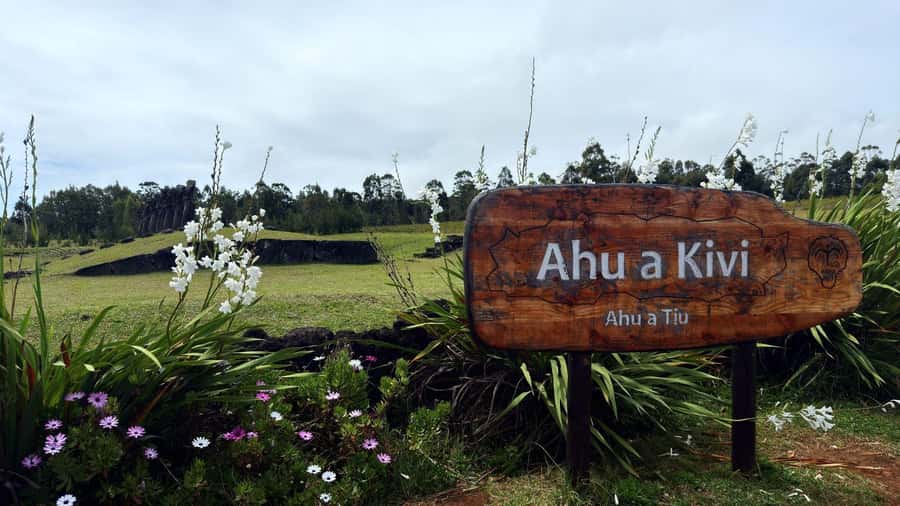
- Seven moai face the sea at Ahu Akivi: This unusual arrangement comes with a traditional story linking the statues to seven explorers from Hiva.
- Puna Pau explains the red topknots: The quarry is the source of the red scoria used for the pukao seen on some moai.
- Ahu Tahai offers a close look at a solitary figure: One large moai rises alone on its ceremonial platform.
- Ahu Huri a Urenga sits inland: Its location connects the site with an agricultural area rather than the coast.
- Hotel pickup is included in Hanga Roa: Wait in your lobby 10 minutes early, since the driver waits only five minutes after the scheduled time.
- The park fee changes the real cost: Add $100 per person to the $91 tour price when planning your budget.
What this three-hour tour is really designed to do
This is not a complete survey of Easter Island. It is a compact route through four important ahu sites and one quarry, giving you the basic pieces needed to understand Rapa Nui archaeology.
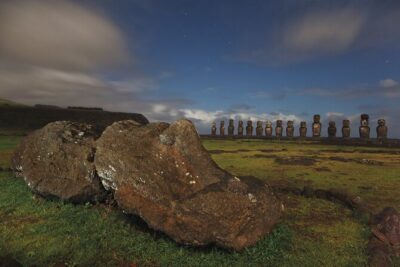
Rapa Nui National Park covers most of Easter Island and contains about 900 moai and 300 ahu. An ahu is a ceremonial platform, usually associated with one or more carved figures. The moai were cut from solidified volcanic ash and are generally understood to represent ancestors and important members of tribal communities.
I like the structure of this outing because the stops show different parts of the moai tradition. You see a ceremonial platform near Hanga Roa, a quarry connected with red stone topknots, the famous row at Ahu Akivi, and an inland platform tied to agriculture.
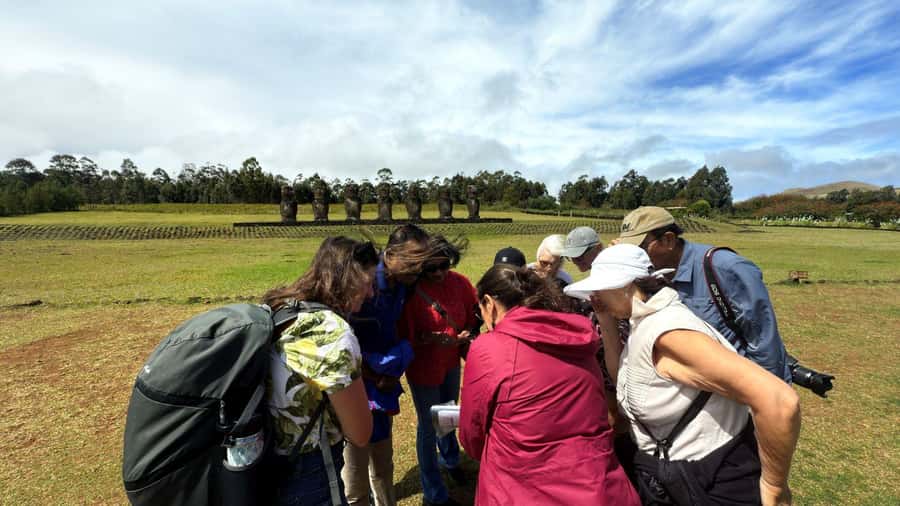
The limited group size matters here. With no more than 15 participants, you should have a better chance to hear the guide and ask about details that are easy to miss, such as why some statues face inland and why the figures at Ahu Akivi face toward the ocean.
The tour is offered in English and Spanish. The guide is an important part of the experience because the stones themselves do not explain their purpose. Past feedback particularly praised the guides for being personable, informative, and easygoing, which is exactly what you want on a short archaeological visit.
A few more Easter Island trips worth weighing up
- Ahu Vinapu, Rano Kao and Orongo City Half-Day Tour
★ 4.6 · 20 reviews - Santiago Half-Day Walking Tour with Hotel Pick up & Brunch
★ 4.7 · 148 reviews - Half-Day Small-Group Panoramic Santiago Tour
★ 4.0 · 89 reviews
Ahu Tahai and the solitary moai
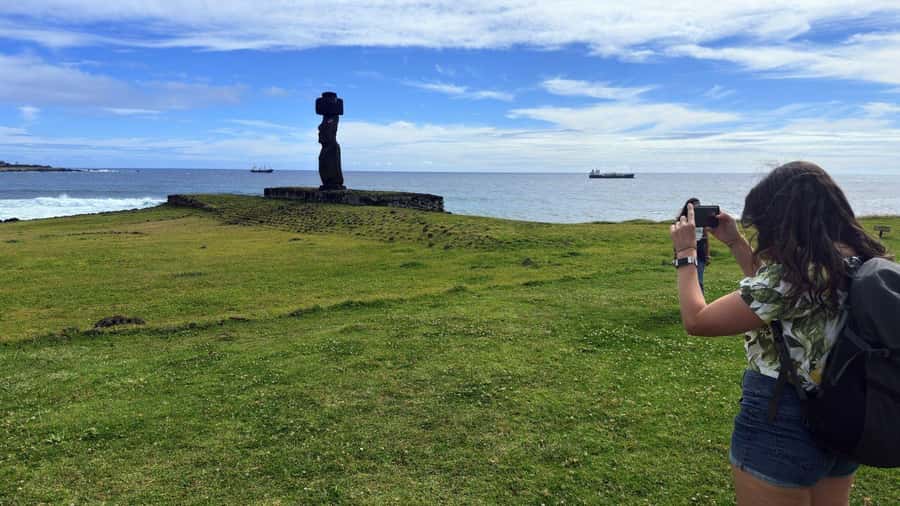
The first listed stop is Ahu Tahai, a ceremonial site south of Hanga Roa. Its central attraction is a single moai on its own platform, a powerful sight because the figure is not lost among a large group of statues.
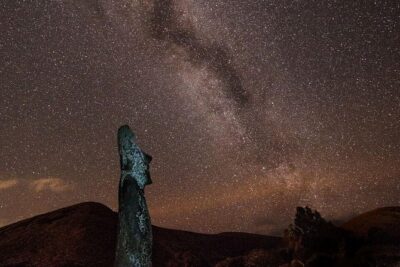
The moai rises more than 13 feet, giving you a clear sense of the scale these communities worked with. The figure is made from volcanic stone, yet the face and body were shaped with enough care to suggest a particular person or ancestor rather than a simple block.
This is a useful first stop because it gives you time to get familiar with the basic terms. You will hear ahu for the ceremonial platform, moai for the carved figure, and pukao for the red-stone topknot found on some statues.
Ahu Tahai also helps you understand the relationship between the statues and the community that placed them. These figures were not random monuments scattered around the island. They were connected with ceremony, identity, and the memory of high-ranking people.
The drawback is that a three-hour route cannot linger at every location. If you want extended time for quiet reflection, detailed photography, or close study of stonework, this stop may feel brief.
Puna Pau, where the red pukao were made
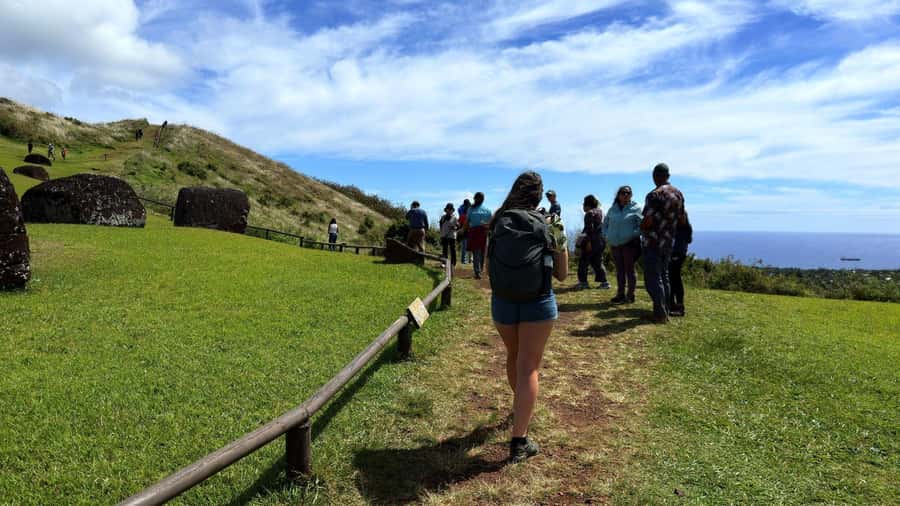
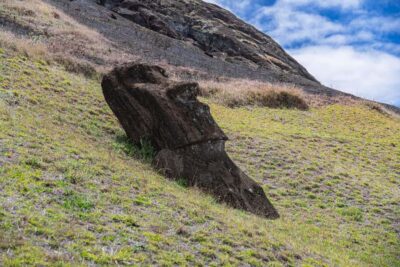
At Puna Pau, the focus shifts from the moai themselves to the large red stones that sit on the heads of some figures. These topknots are called pukao, and they were made from red scoria, a volcanic rock different from the gray stone used for many moai.
About 30 pukao are located in or near the quarry. Seeing the source helps explain an important visual difference across Easter Island. The red stone was not part of the main statue. It was shaped separately and added later, creating a striking contrast between the body and the headpiece.
The scale of the quarry also raises practical questions. These stones were heavy, and moving them required planning, labor, and cooperation. The tour gives you a chance to think about how much effort went into making a moai look complete.
The idea that pukao may have been used to impress rival tribes adds another layer. They were not simply decoration. Their size, color, and position could have helped communicate status and power.
I would pay close attention here if you are interested in construction methods. Puna Pau is less about one dramatic statue and more about seeing the material behind a feature you might otherwise overlook.
You should also wear comfortable shoes. The tour specifically recommends them, and that advice makes sense for an archaeological site with uneven outdoor ground. Do not bring luggage or large bags, and baby strollers are not allowed.
Ahu Akivi and the seven sea-facing figures
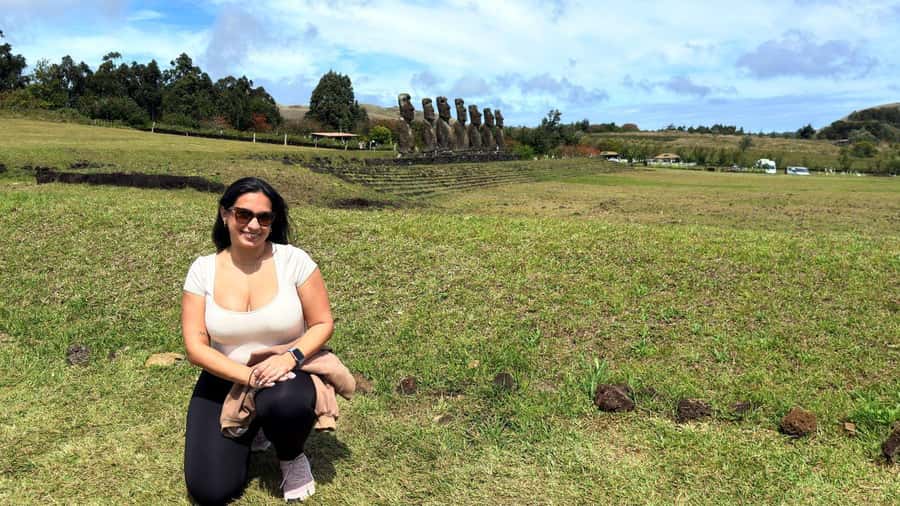
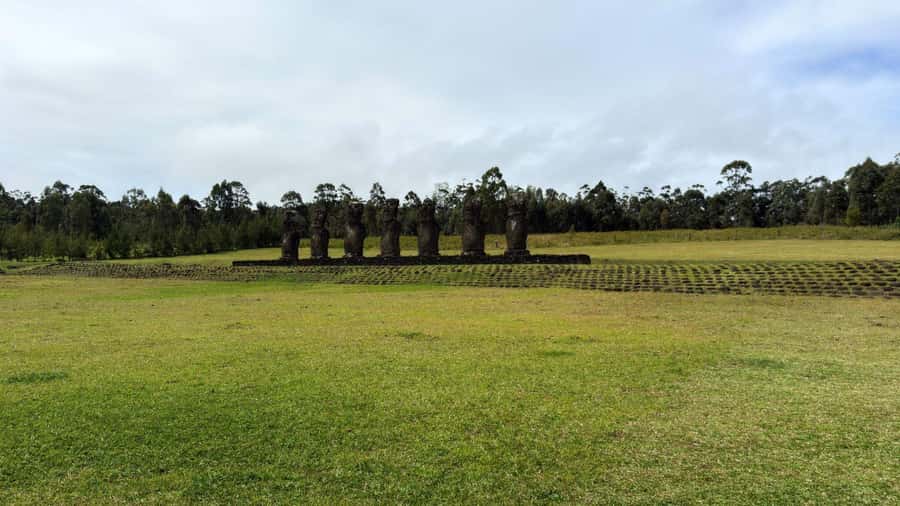
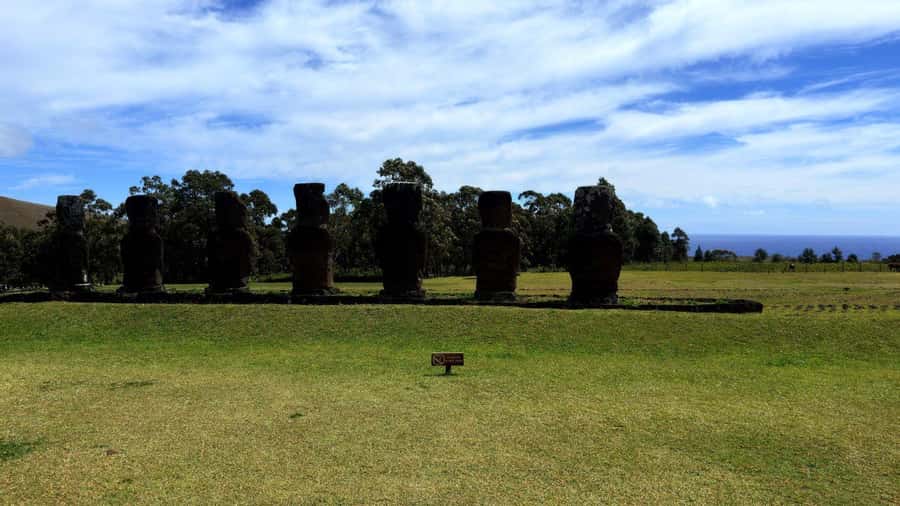
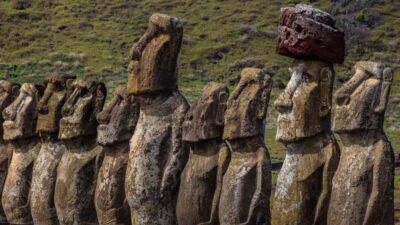
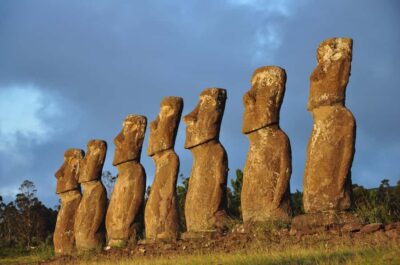
Ahu Akivi is likely the emotional center of the tour. Seven moai line the platform, each about 16 feet tall and weighing roughly 18 tons. Their size is impressive, but their direction is what makes the site unusual.
Most ahu moai face inland, with their backs toward the ocean. The figures at Ahu Akivi look outward toward the sea, creating one of the island’s most memorable archaeological views.
One traditional explanation connects the seven statues with explorers sent by a chief from Hiva, the Polynesian homeland associated with Rapa Nui traditions. In this interpretation, the moai face the direction from which the explorers came.
The guide can help you separate cultural tradition from archaeological certainty. That distinction matters. The story is compelling, but the exact meaning of the statues’ placement remains a subject of interpretation.
For you, the practical value of this stop is that it brings together the big questions surrounding Easter Island: who were the moai meant to represent, how were they moved, and why were they placed in particular locations?
The seven figures also make this a good stop for people who want the classic moai experience but do not have time for a full-day circuit. You get a clear, memorable group of statues and enough context to understand why their arrangement matters.
A completely different sort of day out of Easter Island:
- From Hanga Roa: Rapa Nui Culture Sightseeing Tour
★ 4.6 · 307 reviews - From Hanga Roa: Easter Island Highlights 2-Day Tour
★ 4.3 · 205 reviews - From Hanga Roa: Easter Island Sightseeing Full Day Tour
★ 4.5 · 189 reviews - Full day tour – DREAM
★ 5.0 · 86 reviews
Ahu Huri a Urenga and the inland setting
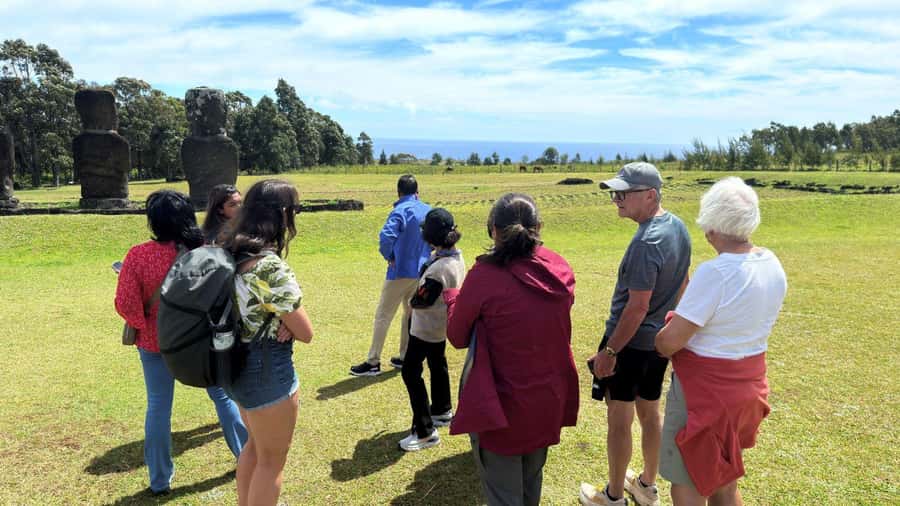
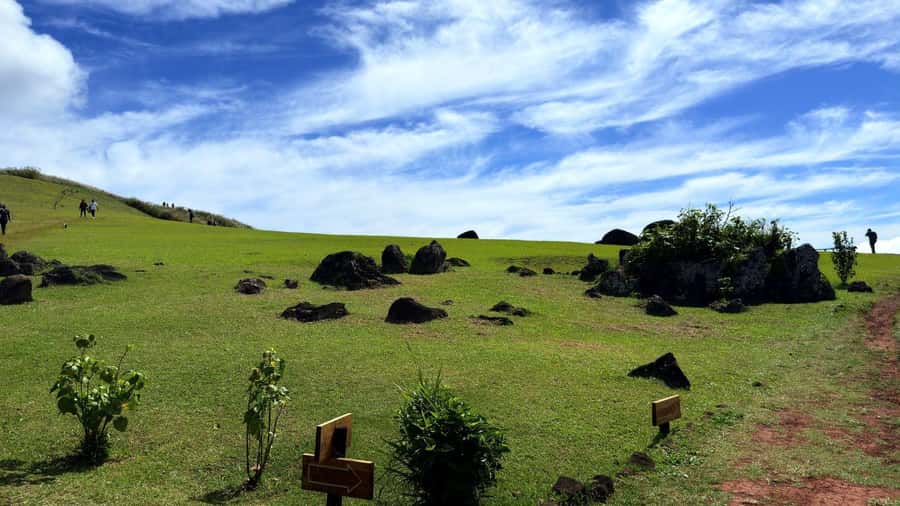
The final stop is Ahu Huri a Urenga, one of about 25 ahu located inland rather than along the coast. Its position corresponds with an agricultural area, offering a useful correction to the idea that every important moai site sits beside the sea.
This stop gives the route variety. After the coastal and quarry settings, you see how ceremonial sites were also connected with the island’s interior and its food-growing areas.
The location can help you think about daily life beyond the famous statues. Rapa Nui communities needed places for farming, settlement, ceremony, and social organization. The inland ahu suggests that the moai tradition was tied to the working life of the island, not only to coastal viewpoints.
Ahu Huri a Urenga may be less instantly recognizable than Ahu Akivi, but I consider it valuable for that very reason. It broadens the story and keeps the tour from becoming a simple parade of postcard sites.
As with the other stops, the guide’s explanation will shape what you take away. The site itself is important, but the short format means you will want to listen closely and ask questions while the group is there.
The guide and group experience
The tour includes a live guide in English or Spanish. Strong guide work is especially important at Rapa Nui sites because many of the central questions involve tradition, archaeology, and interpretation rather than obvious visual clues.
The positive feedback about the guiding is consistent: the experience was described as informative, personable, pleasant, and easygoing. That combination suits this route. You need clear explanations, but you also want enough breathing room to look at the statues without feeling rushed from one lecture to the next.
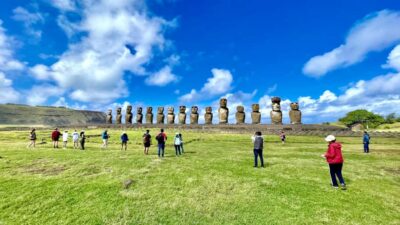
A group cap of 15 people is a sensible middle ground. It is not a private tour, but it is much more manageable than a large coach group. You can expect some shared timing at each stop, so do not plan on wandering independently for long periods.
Hotel pickup and drop-off are included for hotels in Hanga Roa. You should wait in the lobby 10 minutes before departure. The driver waits no more than five minutes after the scheduled pickup time, so being early is important.
The tour is not suitable for cruise ship guests, even if the ship is visiting Easter Island. It is intended for people staying in hotels. It is also not suitable for wheelchair users, and the restrictions include no baby strollers, luggage, large bags, alcohol, or drugs.
Is $91 a good price for three hours?
The listed price is $91 per person, but the required Rapa Nui National Park entrance fee adds another $100 per person. That brings the known total to $191 before considering any other personal costs.
At that combined price, this is not a cheap sightseeing outing. The value depends on what you need. If you want hotel transport, a bilingual guide, a small group, and a concentrated route through several major sites, the package can make sense. You are paying for convenience and interpretation as much as for the vehicle ride.
The three-hour duration is also useful if you have limited time on the island or want to leave room for another activity. It is less suitable if you want a full archaeological day, long walks, or extended time at each ahu.
I would compare the cost with the price of a longer tour before booking. Still, a short guided route can be worthwhile if you prefer not to organize transport yourself or if you want a clear introduction before exploring more independently.
The free cancellation policy allows cancellation up to 24 hours in advance for a full refund. You can also reserve now and pay later, which helps if your island plans are still shifting.
Who should choose this Easter Island tour?
I would recommend it to you if:
- You are staying in Hanga Roa and want hotel pickup.
- You have only half a day available.
- You want to see Ahu Akivi, Puna Pau, Ahu Tahai, and Ahu Huri a Urenga in one outing.
- You prefer a guide who can explain cultural traditions and archaeological terms.
- You want a small group rather than a large coach.
- You are comfortable walking outdoors in suitable shoes.
I would look elsewhere if you want a private experience, need wheelchair access, are arriving by cruise ship, or want long visits at each site. The route is focused and efficient, not leisurely.
One detail deserves clarification before you reserve. The highlights refer to a ceremonial site called Ahu Vianpu, while the detailed route identifies Ahu Tahai as the ceremonial stop. Since these are not presented consistently, confirm the exact stop list and timing with the operator.
Should you book the three-hour route?
Book this tour if you want a well-organized introduction to Easter Island’s moai and have limited time. The best features are the thoughtful mix of sites, the seven statues at Ahu Akivi, the red-stone story at Puna Pau, and the small group size.
The extra $100 park fee is a serious budget factor, and three hours will not satisfy anyone hoping for a complete island survey. But for a first look, the route gives you meaningful variety rather than repeating the same type of site.
I would choose it early in an Easter Island stay if I wanted a guide to explain the main archaeological ideas, then use the remaining time to decide which places deserved a longer visit.
FAQ
How long is the Easter Island archaeology tour?
The tour lasts three hours.
Where does the tour depart from?
Hotel pickup is provided from hotels in Hanga Roa.
Is hotel drop-off included?
Yes, hotel drop-off is included for Easter Island hotels.
Which sites are included?
The route includes Ahu Tahai, Puna Pau Quarry, Ahu Akivi, and Ahu Huri a Urenga. The highlighted information also names Ahu Vianpu, so confirm the final stop list with the operator.
Is the Rapa Nui National Park entrance fee included?
No. The entrance fee is listed separately at $100 per person.
What languages are available?
The live guide is available in English or Spanish.
How large is the tour group?
The tour is limited to 15 participants.
Can cruise ship passengers join?
No. The tour is intended for passengers staying in hotels and is not suitable for cruise ship guests.
What should I bring?
Bring comfortable shoes.
Can I cancel for a refund?
Yes. You can cancel up to 24 hours in advance for a full refund. You can also reserve now and pay later.
Just added around Easter Island
- Easter Island: 2 Full Days Private Tour★ 3.9 · 3 reviews
- Easter Island: Full Day Ancestral Caves and Orongo Village★ 5.0 · 3 reviews
- Easter Island: Customized recreational-tourist diving★ 5.0 · 3 reviews
- Ancestral fishing: Fishing with an experienced Rapa Nui★ 4.4 · 3 reviews
- Birdman Cult and Caves★ 4.0 · 5 reviews
- Easter Island: Moai Full Day Private Tour★ 4.8 · 5 reviews
- Rapa Nui: Polynesian Massage★ 4.8 · 5 reviews
- Rapa Nui: 3 Excursions with Hotel Transfers★ 4.3 · 6 reviews
Easter Island Tours, compared.
Two days of Full Day Tour of Rapa Nui + Sunrise in Tongariki
Read our review →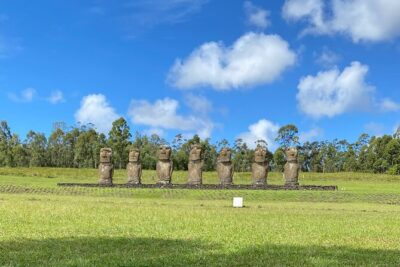
Browse the lists this tour appears in