
Reviewed · EASTER ISLAND TOURS
Easter Island: Moai Full Day Private Tour
Rapa Nui keeps its best stories in stone. This seven-hour private tour brings you to the island’s most important moai sites, from the unusual wall at Ahu Vinapu to the 15 statues at Ahu Tongariki and the unfinished figures of Rano Raraku. I like the route for two clear reasons: it covers a remarkable number of major sites in one day, and a private guide can shape the pace around your interests. One thing to watch is the added cost of park admission and food, neither of which is included in the $219 price.
I also like that the day does not stop at the famous postcard views. You visit less familiar places such as Ahu Ahahanga and One Makihi, then finish at Ovahe and Anakena beaches. Guide Enrique has been praised for adjusting the tour to suit his guests, which matters on an island where a thoughtful explanation can make a weathered stone platform feel far less mysterious.
In This Review
- Key points at a glance
- Why a private seven-hour route works well
- Ahu Vinapu and the island’s first mystery
- Ahu Ahahanga and moai in their original positions
- Te Pito Kura and the meaning of sacred places
- One Makihi, a small stop with a strange detail
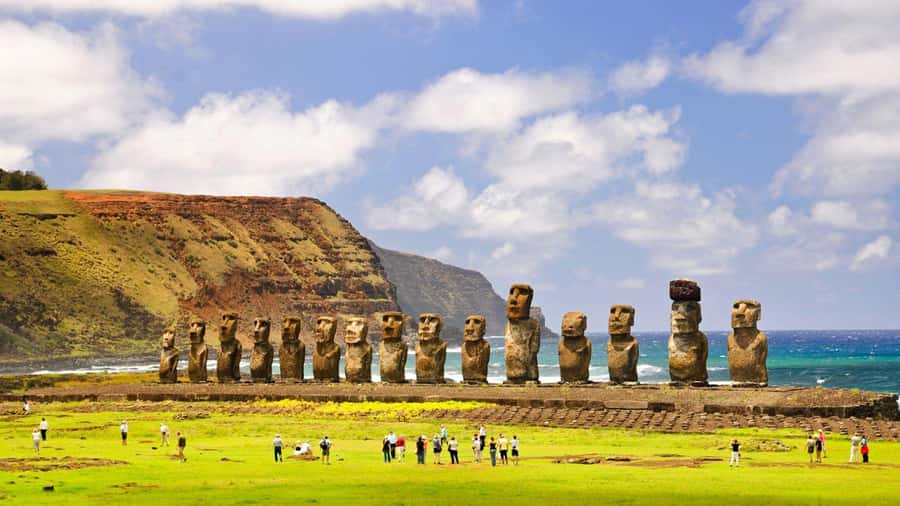
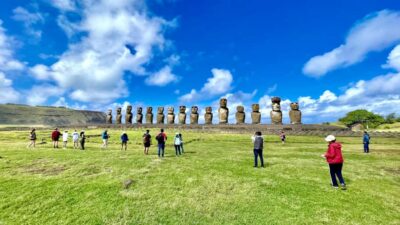
- Ahu Tongariki and its 15 famous moai
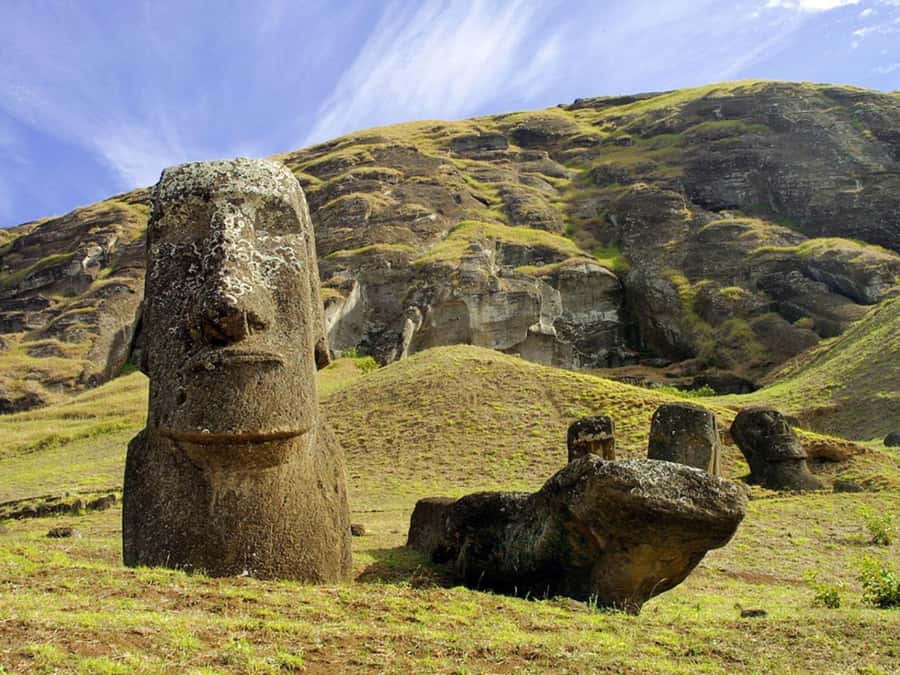
- Rano Raraku, the moai factory
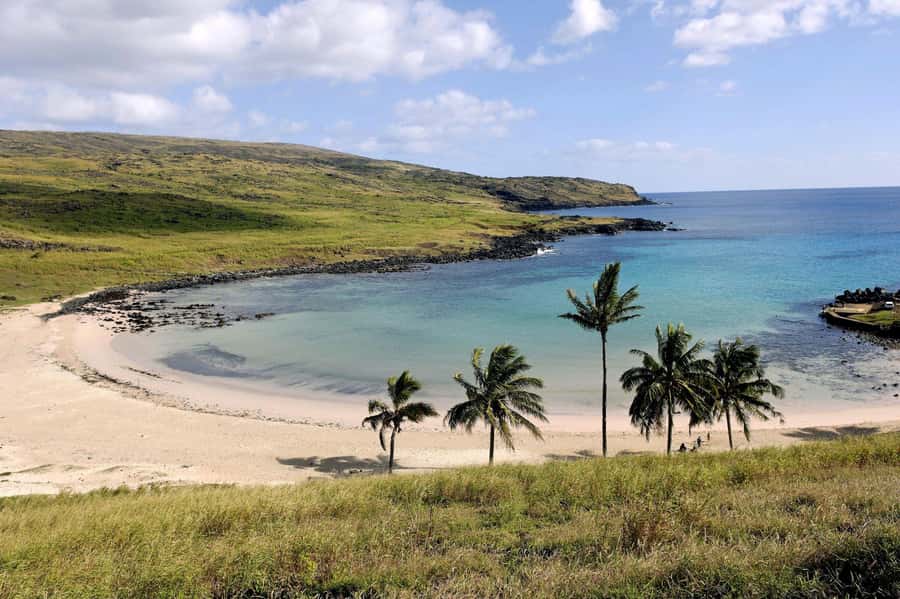
- Ovahe and Anakena, a softer final act
- What the $219 price includes and leaves out
- Languages, group size, and guide quality
- Who should book this Moai tour?
- Should you book the Easter Island Moai Full Day Private Tour?
- FAQ
- How long does the Easter Island Moai Full Day Private Tour last?
- What languages are available?
- Is the tour private?
- Is hotel pickup included?
- Are food and park admission included?
- Can I cancel for a full refund?
Key points at a glance
- Ahu Tongariki brings together 15 moai: This is the tour’s grandest stop and one of the most memorable sights on Rapa Nui.
- Rano Raraku is the moai factory: You can walk among statues still being carved, giving you a close look at how these figures began.
- Ahu Vinapu has an unusual stone wall: Its carefully fitted construction is often compared with Inca stonework, making it one of the tour’s most intriguing early stops.
- The route includes quieter ceremonial sites: Ahu Ahahanga, Te Pito Kura, and One Makihi add context beyond the best-known locations.
- The day ends with two very different beaches: Ovahe is known for rose-colored sand, while Anakena offers clear water and time to relax.
- Private touring is the main value: Hotel pickup, a private group, a live guide, and a flexible pace help justify the $219 per-person price, though meals and park admission cost extra.
Why a private seven-hour route works well
Rapa Nui is not a place where you want to spend the whole day simply checking off names. The moai are impressive at first glance, but the meaning of the ahu platforms, the unfinished statues, and the fallen or displaced figures becomes clearer when someone explains what you are seeing.
This tour gives you seven hours to connect those pieces. Since it is a private group, you are not tied to the interests of a large busload. You can ask for more explanation at a site that catches your attention, and Enrique’s reported willingness to tailor the day is a useful sign for couples, families, and small groups with different energy levels.
The route also has a sensible rhythm. It begins with ceremonial and archaeological sites, builds toward Tongariki and Rano Raraku, and ends beside the sea. That final change of scene helps keep the day from feeling like a string of stone platforms.
The limitation is pace. Seven hours sounds generous, but this itinerary includes many major stops. You should expect a full day with several short visits, rather than long, unhurried time at every location. If one site matters greatly to you, tell your guide early.
A few more Easter Island trips worth weighing up
- From Hanga Roa: Easter Island Sightseeing Full Day Tour
★ 4.5 · 189 reviews - Full day tour – DREAM
★ 5.0 · 86 reviews - Two days of Full Day Tour of Rapa Nui + Sunrise in Tongariki
★ 4.8 · 55 reviews
Ahu Vinapu and the island’s first mystery
Ahu Vinapu is a strong opening stop because it immediately raises questions. Its wall has large, tightly fitted stones and is often compared with the stonework associated with the Incas. That resemblance has fueled plenty of speculation, but the useful part of the visit is not proving a dramatic theory. It is seeing the workmanship up close and considering how the Rapa Nui people shaped and placed heavy stone.
A guide can help you focus on what is actually visible: the construction of the wall, the ceremonial setting, and the difference between careful stone fitting and later stories built around it. This is one place where a private guide earns his keep. You can ask about the comparison without letting the stop turn into a parade of unsupported claims.
The site is also a good reminder that moai culture involved more than isolated statues. The ahu platform and surrounding construction mattered as much as the figure itself. Look at the whole setting, not just the stones that draw your eye first.
Ahu Ahahanga and moai in their original positions
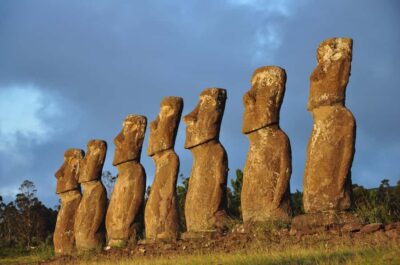
The tour continues to Ahu Ahahanga, where you can see moai raised and placed on a ceremonial platform in their original position. That makes this stop valuable for understanding how the statues were meant to appear before the damage and changes that affected many other sites.
At a place like this, try to picture the relationship between the figures and the ahu. The moai were not simply decorations lined up for visitors. They were tied to Rapa Nui ceremonial life and community memory. Your guide’s explanation should help connect the physical arrangement with the role these figures held in the culture.
The attraction here is not sheer scale. Ahu Ahahanga is better for context than spectacle. If you are looking only for the biggest cluster of statues, Tongariki will have more impact. If you want to understand how a ceremonial platform worked, Ahahanga gives the day a quieter and more grounded stop.
Te Pito Kura and the meaning of sacred places
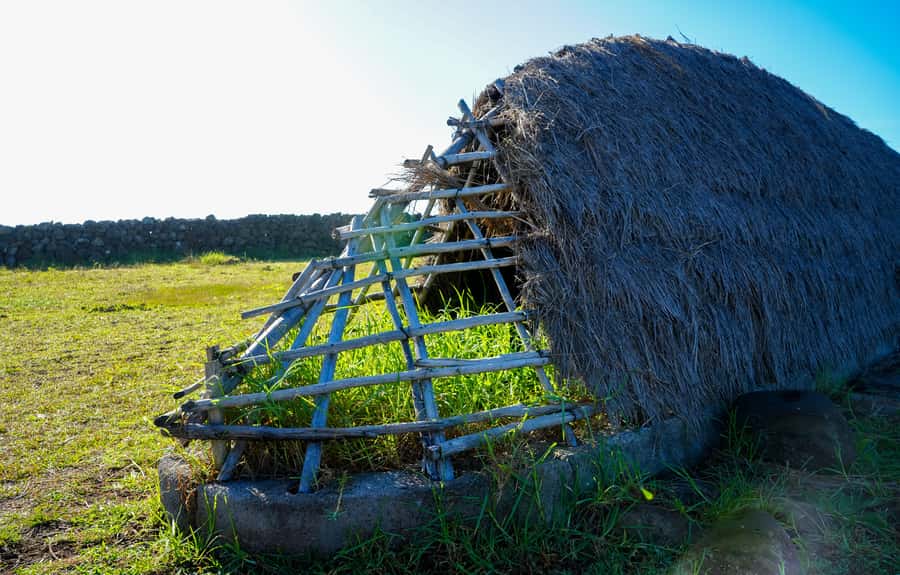
At Te Pito Kura, the focus shifts toward sacred space and one of the island’s largest moai. The site helps show why size alone does not explain the importance of these figures. Their value came from their place in Rapa Nui culture, their connection to ancestors, and the ceremonial setting around them.
This is a good point in the tour to ask your guide about what made a moai significant. A large statue can draw attention, but the wider story involves carving, moving, raising, and placing the figure on an ahu. You will get more from the stop if you look beyond the statue’s height and consider the work and beliefs connected to it.
The word sacred should also encourage a respectful visit. The tour is designed around mystery, but Rapa Nui is not a stage set for puzzles. The sites remain important cultural places, and a calm, attentive approach is more rewarding than treating each stop as a photo prop.
A completely different sort of day out of Easter Island:
- From Hanga Roa: Rapa Nui Culture Sightseeing Tour
★ 4.6 · 307 reviews - From Hanga Roa: Easter Island Highlights 2-Day Tour
★ 4.3 · 205 reviews - From Hanga Roa: Journey from Orongo to Ana Te Pahu
★ 4.3 · 75 reviews - Rapa Nui Stargazing
★ 4.5 · 62 reviews
One Makihi, a small stop with a strange detail
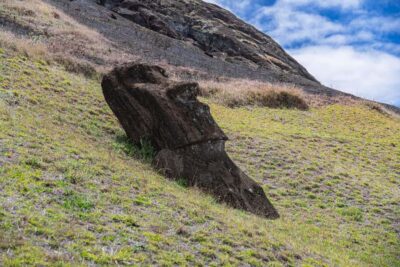
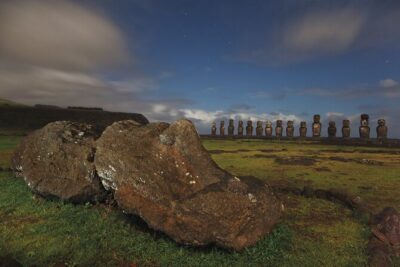
Before Ahu Tongariki, the itinerary includes One Makihi, an old ahu with a finely chiseled moai lying on its back. This is a brief but unusual stop because the statue’s position changes the way you look at it.
Instead of seeing a completed figure proudly raised above a platform, you see the moai in a supine form. Its carved surface and position offer a different view of the workmanship. It is the sort of detail easily missed on a standard highlight-only outing, yet it adds to the day’s sense of discovery.
Do not expect the scale of Tongariki here. One Makihi works best as a transitional stop, a chance to notice a less familiar part of the island before arriving at its most famous collection of standing moai.
Ahu Tongariki and its 15 famous moai
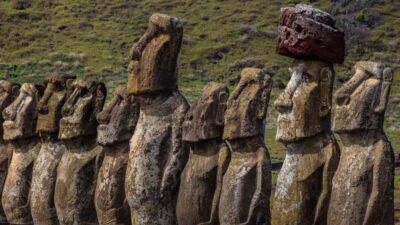
Ahu Tongariki is the visual centerpiece of the tour. Fifteen imposing moai stand together on the largest group of statues on the island, creating the kind of view that needs no dramatic sales pitch.
You will want photographs, but give yourself time to look before reaching for your phone. The long platform, repeated figures, and open setting make the group feel ordered and powerful. Your guide can explain the history and meaning of the statues, helping you see differences in form and placement instead of treating the line as one enormous object.
Tongariki is also where the private format can feel most useful. With no fixed group commentary competing for your attention, you can ask for more detail or simply take in the view. If photography is important to you, tell your guide. If interpretation matters more, ask for a closer explanation of the ahu and the role of the moai.
This stop may be the most crowded feeling part of the experience simply because it is so famous, but the information provided does not promise crowd-free conditions. Keep your expectations practical. The site is popular for good reason, and the scale of the setting helps spread attention even when other visitors are present.
Rano Raraku, the moai factory
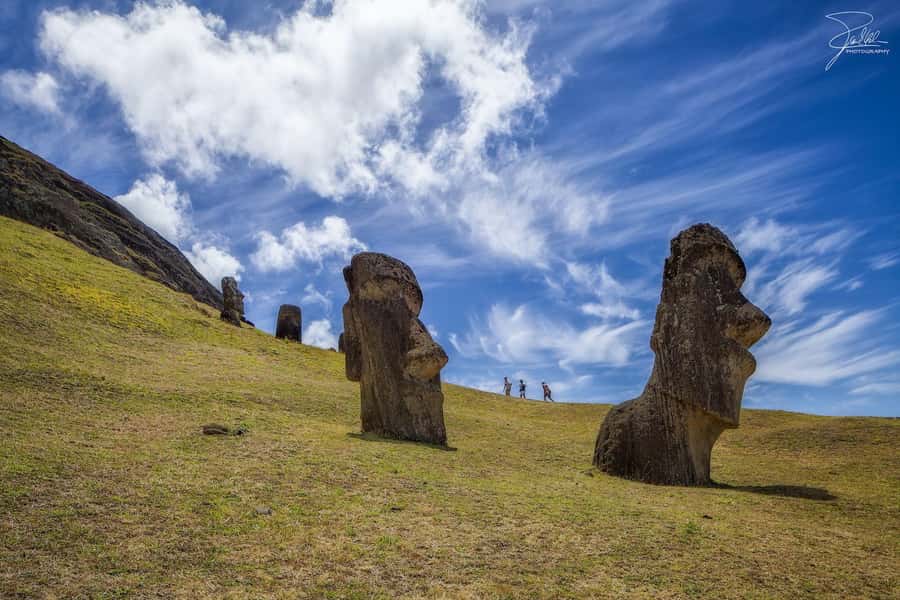
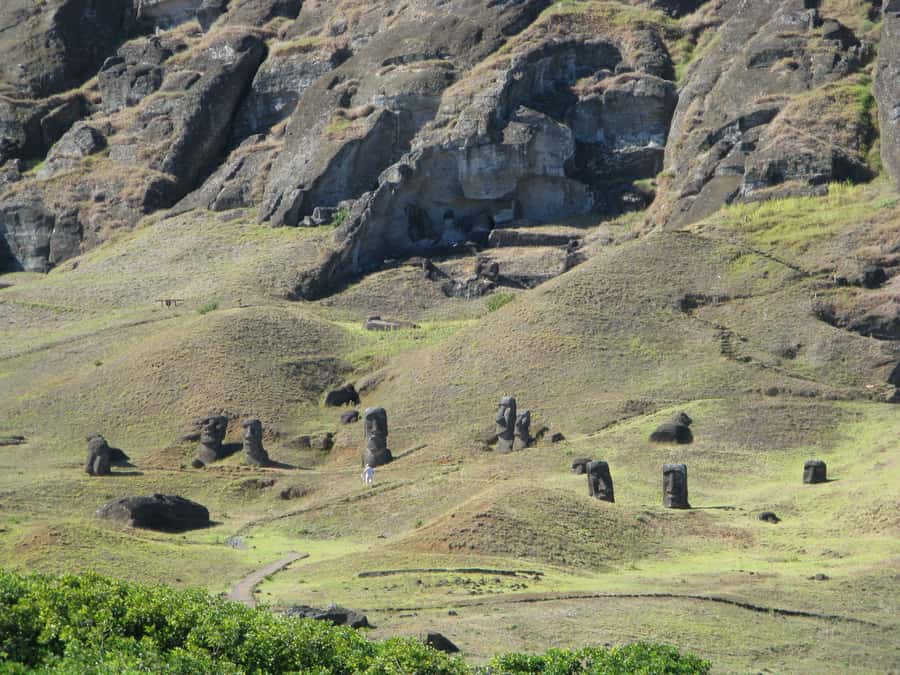
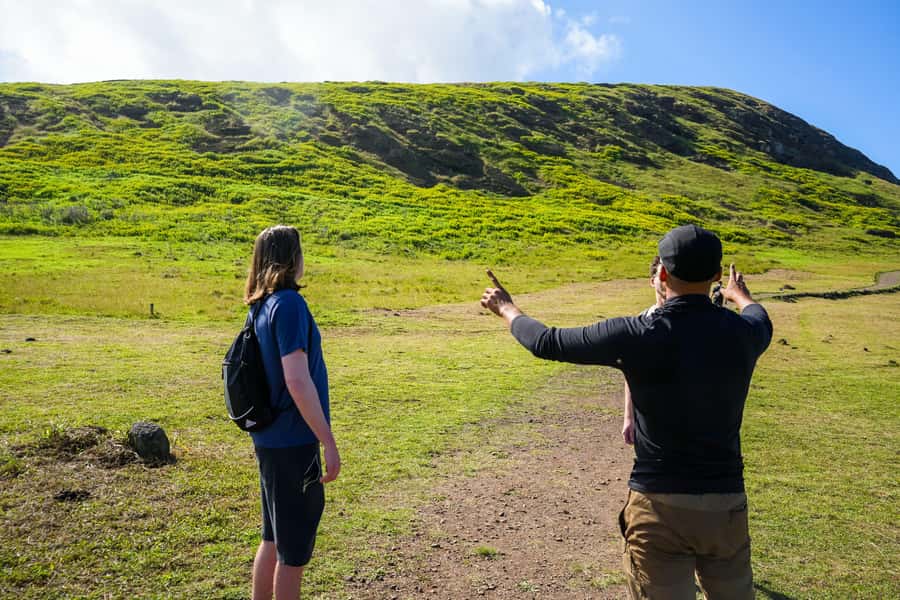
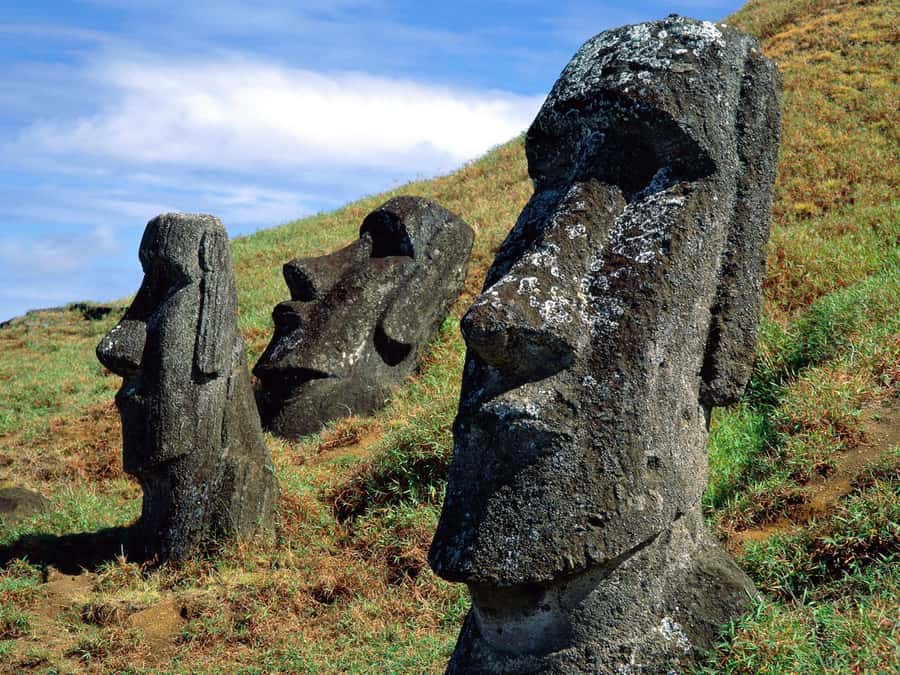
Rano Raraku is the tour’s most revealing stop. This volcanic site is known as the moai factory because the statues were carved there. You can walk among figures still in the process of being made, which gives you a rare look at the stages before a moai reached a ceremonial platform.
The unfinished statues are especially valuable because they show that these monuments were not produced as simple freestanding blocks. You can study the shapes, incomplete bodies, and relationship between the carved figure and the volcanic rock around it. The site makes the work feel immediate, even though the culture that created the moai belongs to a distant period.
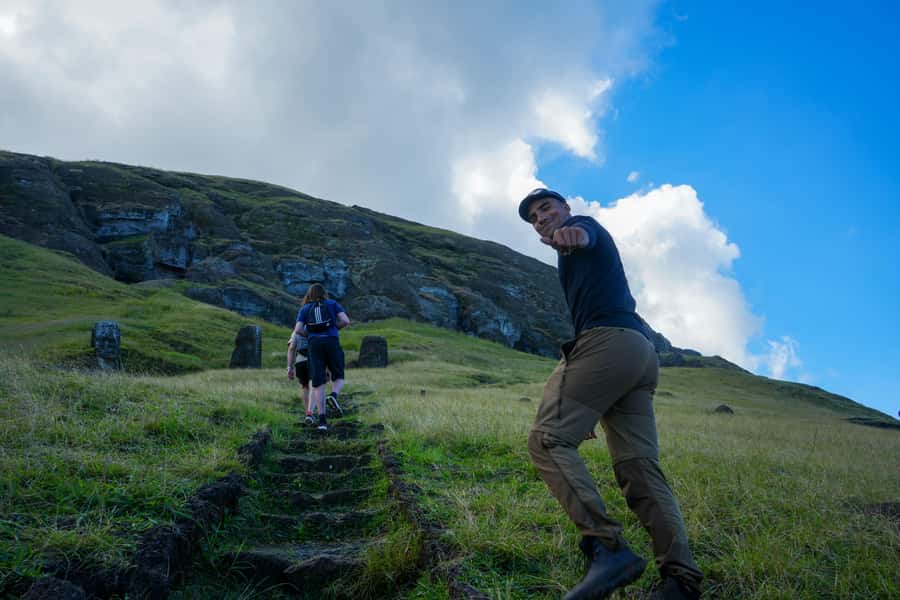
Plan to pay attention to your footing and energy here. The tour includes walking among the statues, so this is more active than a roadside viewing stop. The itinerary does not provide a detailed accessibility description, so anyone who needs specific mobility information should ask the operator before booking.
Rano Raraku can also become the day’s most intellectually satisfying visit. Tongariki shows the finished public result. Rano Raraku shows the making of it. Seeing both on the same day creates a useful before-and-after comparison.
Ovahe and Anakena, a softer final act
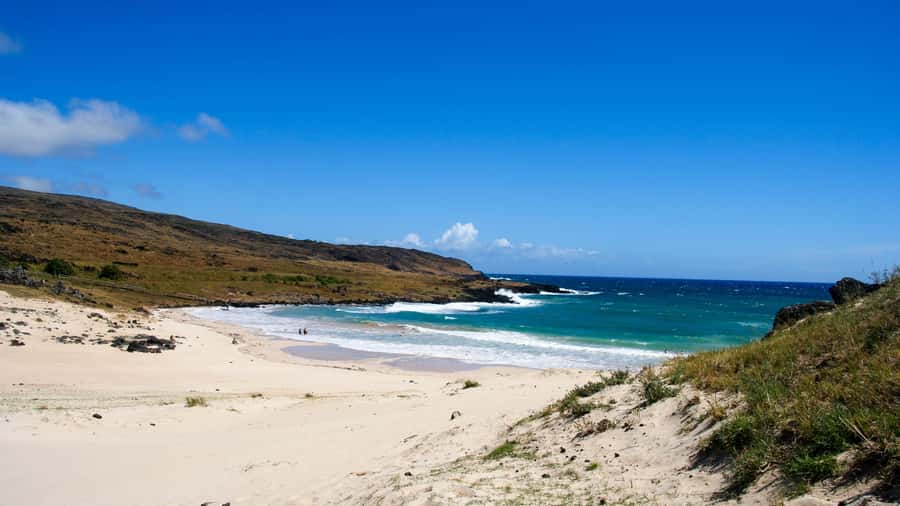
After the archaeological sites, the tour heads to Ovahe beach, known for its rose-colored sand. This short coastal stop changes the mood and gives you a chance to see another side of Rapa Nui. The color of the sand is the main reason to pause, so keep your expectations focused on scenery rather than a long beach stay.
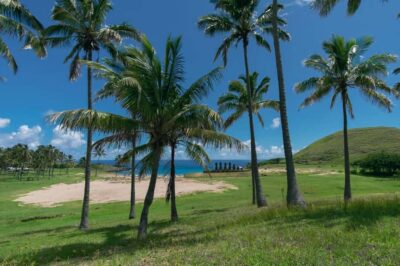
The final arrival is Anakena beach, with clear water and opportunities for activities such as snorkeling. It is also presented as a place to relax and enjoy a picnic while looking across the coast. Food is not included, so you should plan for your own picnic if you want to use this part of the day that way.
Anakena is a smart ending because you can finish the tour at a slower pace. After several archaeological sites, a beach stop gives you room to absorb what you have seen. The information provided does not guarantee equipment rental, guided snorkeling, or time for swimming, so treat those as possible activities rather than fixed parts of the tour.
What the $219 price includes and leaves out
At $219 per person, this is not the cheapest way to see Rapa Nui. The price makes more sense if you value a private group, hotel pickup and return, a live guide, and the freedom to shape the day around your questions.
You also receive an individual bottle of water, a small but useful inclusion during a seven-hour outing. Pickup and drop-off at your hotel remove the need to arrange separate transport, which is especially helpful when your day includes widely separated sites.
The key extra costs are park admission and food. Those omissions can change the final budget, so calculate them before booking. The tour is a better value for people who want interpretation and a private pace than for visitors who only need transportation between sites.
The booking terms are flexible. You can reserve now and pay later, and cancellation is free up to 24 hours before the scheduled start for a full refund. Pickup instructions are simple: wait in your hotel lobby 10 minutes before the arranged time.
Languages, group size, and guide quality
The tour is available with a live guide in English, French, or Spanish. That choice matters here because the value rests heavily on explanation. The sites are striking, but a language match helps you ask about Rapa Nui culture, the ceremonial platforms, and the competing ideas surrounding places such as Vinapu.
This is a private-group experience, not a shared large-group excursion. That gives you more control over questions and timing, though it does not mean every stop will become a long private lecture. The day still has a fixed seven-hour framework and a lot of ground to cover.
Guide Enrique is a particularly useful name to know. He has been praised for tailoring the experience to his guests’ needs. If you have a strong interest in archaeology, photography, beach time, or the cultural meaning of the moai, mention it before the tour begins so the private format can work to its full advantage.
Who should book this Moai tour?
I would recommend this tour to first-time visitors who want to see the major moai sites in one well-organized day. It suits couples, families, and small private groups that prefer personal explanations over a standard group schedule.
It is also a good choice if you want both famous places and less familiar stops. Tongariki and Rano Raraku provide the major visual rewards, while Ahu Ahahanga, Te Pito Kura, and One Makihi add variety and context.
You may want another plan if you prefer to spend most of the day at one or two sites, or if the additional cost of admission and meals makes the budget uncomfortable. The itinerary is full, so it rewards curiosity and a reasonably active approach more than a slow, resort-style outing.
Should you book the Easter Island Moai Full Day Private Tour?
Book it if you want a private, guide-led introduction to Rapa Nui that covers the island’s main moai sites and ends at the coast. The combination of Ahu Tongariki, Rano Raraku, unusual ahu sites, Ovahe, and Anakena gives you a broad view of the island in seven hours.
Before paying, confirm the separate park-entry cost, make a food plan, and tell Enrique or the operator what interests you most. At $219 per person, the tour is worth considering for its private format and wide route, especially if personal attention matters more to you than finding the lowest price.
FAQ
How long does the Easter Island Moai Full Day Private Tour last?
The tour lasts seven hours.
What languages are available?
A live guide is available in English, French, and Spanish.
Is the tour private?
Yes. It is arranged for a private group.
Is hotel pickup included?
Yes. Hotel pickup and return are included. You should wait in the hotel lobby 10 minutes before the scheduled pickup time.
Are food and park admission included?
No. Food and park admission are not included in the tour price.
Can I cancel for a full refund?
Yes. You can cancel up to 24 hours in advance for a full refund. You can also reserve now and pay later.
Just added around Easter Island
- Easter Island: 2 Full Days Private Tour★ 3.9 · 3 reviews
- Easter Island: Full Day Ancestral Caves and Orongo Village★ 5.0 · 3 reviews
- Easter Island: Customized recreational-tourist diving★ 5.0 · 3 reviews
- Ancestral fishing: Fishing with an experienced Rapa Nui★ 4.4 · 3 reviews
- Birdman Cult and Caves★ 4.0 · 5 reviews
- Rapa Nui: Polynesian Massage★ 4.8 · 5 reviews
- Rapa Nui: 3 Excursions with Hotel Transfers★ 4.3 · 6 reviews
- Volcanic Refuges: Excursion to Underground Civilization★ 4.7 · 8 reviews
Easter Island Tours, compared.
Two days of Full Day Tour of Rapa Nui + Sunrise in Tongariki
Read our review →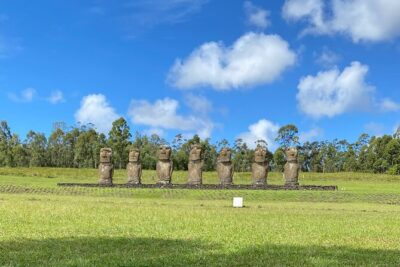
Browse the lists this tour appears in