
Reviewed · EASTER ISLAND TOURS
Volcanic Refuges: Excursion to Underground Civilization
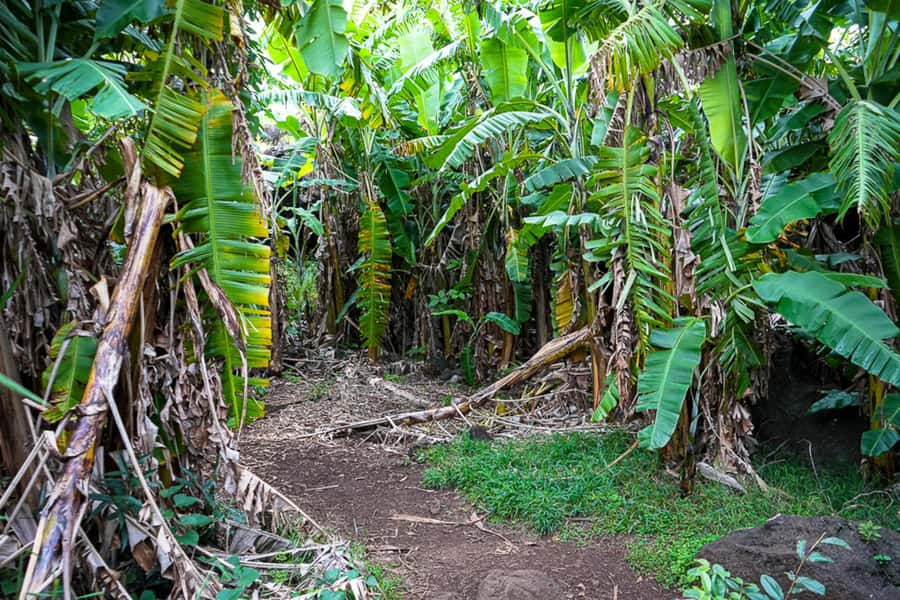
Ancient homes hide beneath Rapa Nui. This private excursion combines the island’s largest cave with Ahu Akivi and Puna Pau, giving you a compact look at ancestral life, rock art, volcanic stone, and the island’s remarkable natural setting. I especially like the chance to enter Ana Te Pahu with a guide, rather than simply viewing a cave entrance from outside. I also like the included hotel pickup and return, which keeps a short three-hour outing easy to manage from Hanga Roa.
The main consideration is that this is a walking tour inside caves, so it is not suitable for people with claustrophobia. The $170 price is also easier to justify for a private group that values personal guiding than for someone seeking the cheapest possible way to see several island sights.
In This Review
- Key points about the cave excursion
- Why Ana Te Pahu makes this tour different
- Ahu Akivi: an hour with the moai
- Ana Te Pahu: the longest and most active stop
- Rock art and ancestral life inside the cave
- Puna Pau: a short stop with a useful connection
- What the $170 price really buys you
- Private groups and the pace of the day
- Who should book this Rapa Nui cave tour
- Should you book Volcanic Refuges?
- FAQ
- How long does the Volcanic Refuges excursion last?
- Where does the tour begin and end?
- Is the national park entrance fee included?
- Is food or drink included?
- What languages are available for the live guide?
- What should I wear or bring?
- Is the cave tour suitable for people with claustrophobia?
Key points about the cave excursion
- Ana Te Pahu is the main event: Explore the largest cave on Rapa Nui and learn how the Rapa Nui used cave spaces as homes and refuges.
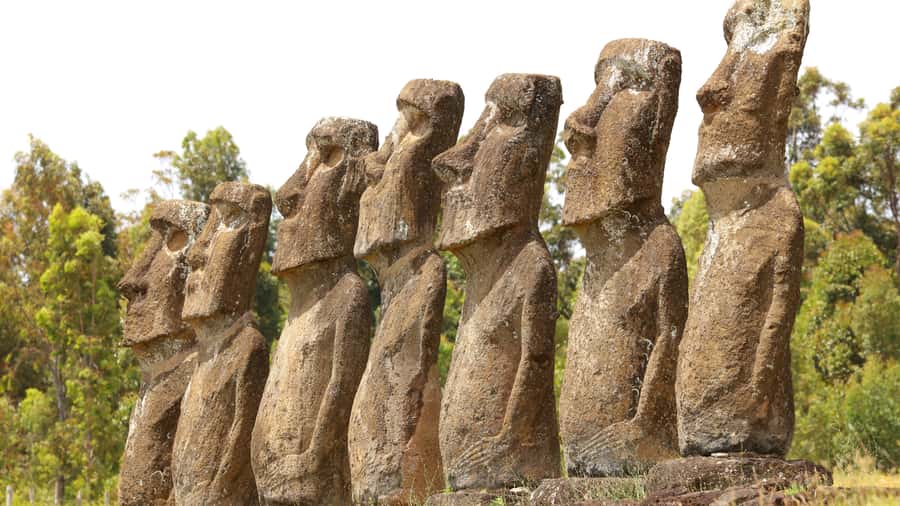
- Ahu Akivi adds cultural context: Spend about an hour at this important ceremonial site before heading underground.
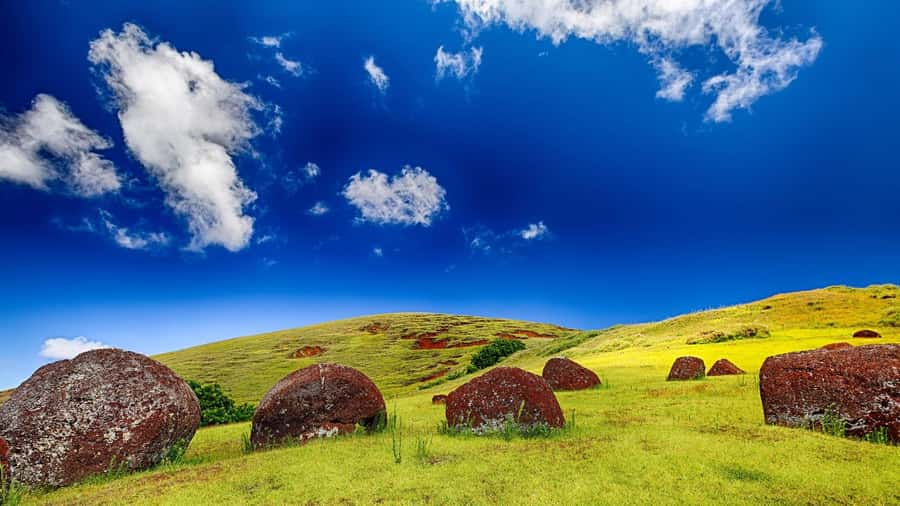
- Puna Pau completes the stone story: See the source area associated with the red volcanic stone used for the pukao, or topknots, placed on some moai.
- Private group format: You get a more personal outing than a large bus tour, with guiding in English, Spanish, or French.
- Hotel pickup is included: The tour begins and ends in Hanga Roa, with pickup from your hotel.
- The cave requires proper footwear: Bring comfortable shoes or sports shoes, and expect to walk inside with a guide.
Why Ana Te Pahu makes this tour different
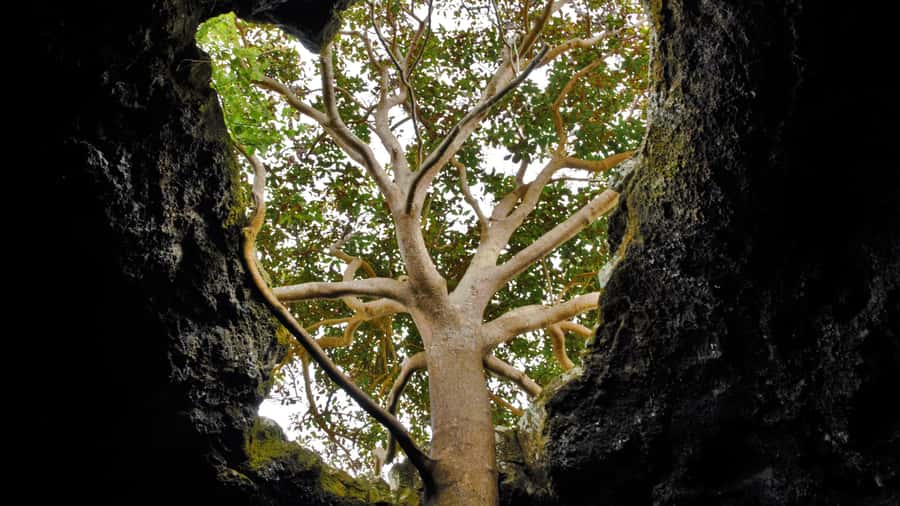
Rapa Nui is famous for moai, but its caves show another side of island life. Ana Te Pahu is not just a dramatic hollow in the volcanic rock. It is part of the story of how the Rapa Nui used the island’s natural spaces for shelter and daily life.
The experience is built around entering the cave with a guide. That matters. Without context, a cave can become a quick photo stop followed by a scramble back into the sun. With an explanation of how the Rapa Nui lived in these spaces, the dark passages take on a human meaning.
The tour also includes rock art, petroglyphs, and engravings associated with the island’s early inhabitants. The supplied details do not specify the exact designs or locations of every engraving, so you should not expect a fixed list of artworks. Still, the chance to see these marks in their original setting is a major reason to choose this outing.
I like the balance here. You are not spending all three hours underground. You first visit an important ceremonial site, then spend the longest section at the cave, and finish at Puna Pau. That gives you three different ways to understand Rapa Nui: ritual spaces, domestic or refuge spaces, and volcanic stone.
A few more Easter Island trips worth weighing up
- From Hanga Roa: Rapa Nui Culture Sightseeing Tour
★ 4.6 · 307 reviews - From Hanga Roa: Easter Island Highlights 2-Day Tour
★ 4.3 · 205 reviews - From Hanga Roa: Easter Island Sightseeing Full Day Tour
★ 4.5 · 189 reviews
Ahu Akivi: an hour with the moai
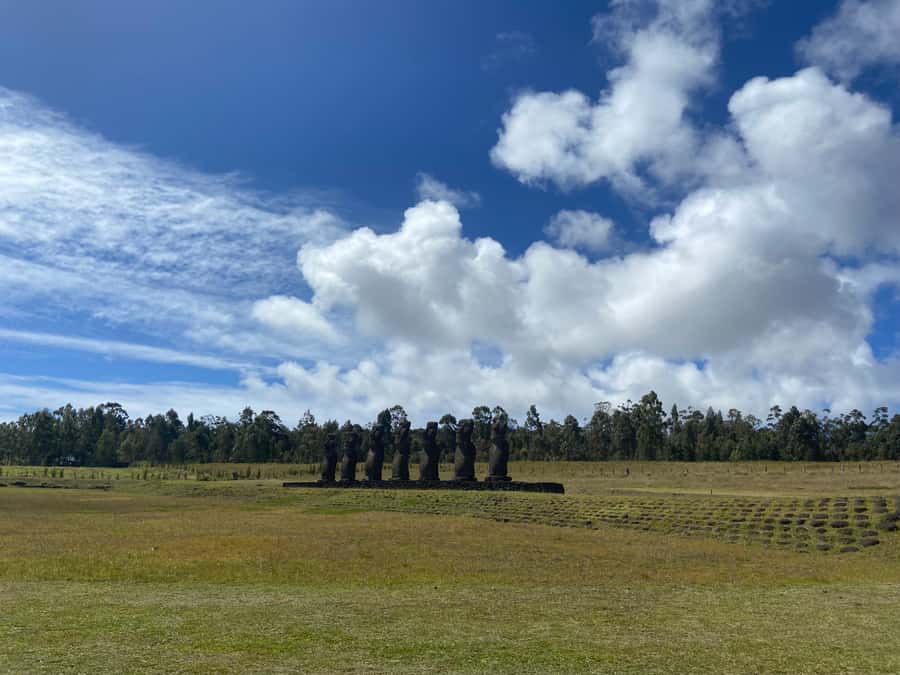
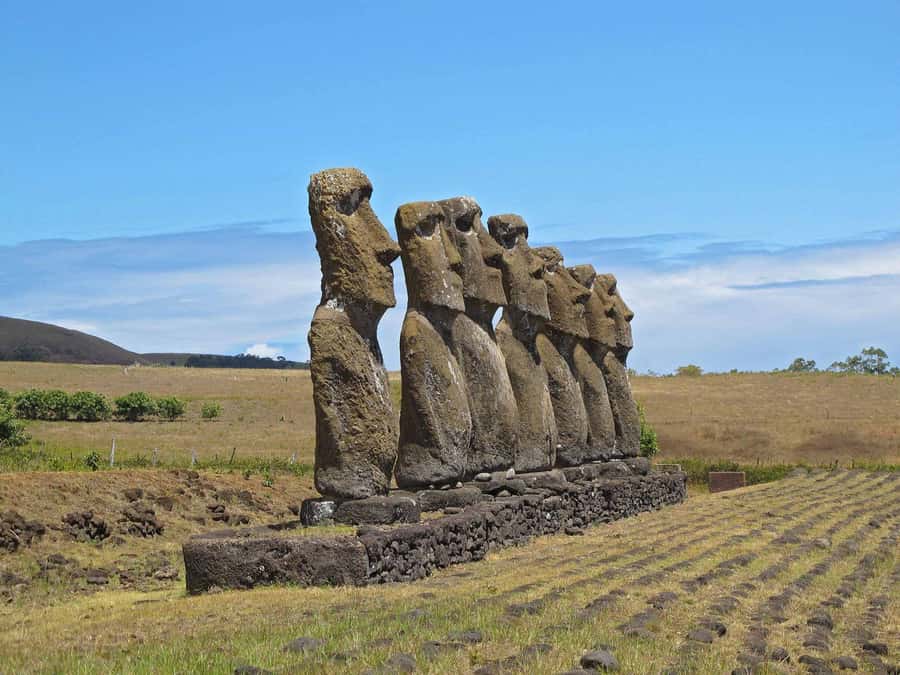
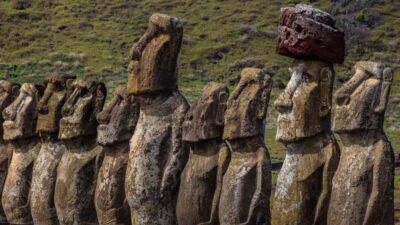
The first major stop is Ahu Akivi, with about one hour for photographs, walking, sightseeing, and a guided visit. It gives the excursion a strong opening because you begin with one of the island’s best-known cultural sites before turning toward the caves.
Ahu refers to a ceremonial platform, and the moai here provide a clear reminder that Rapa Nui culture was not limited to isolated statues. The site connects sculpture, ceremony, place, and community. Your guide can help explain the ancestral life behind the stones, which makes this more useful than a simple stop for a few quick pictures.
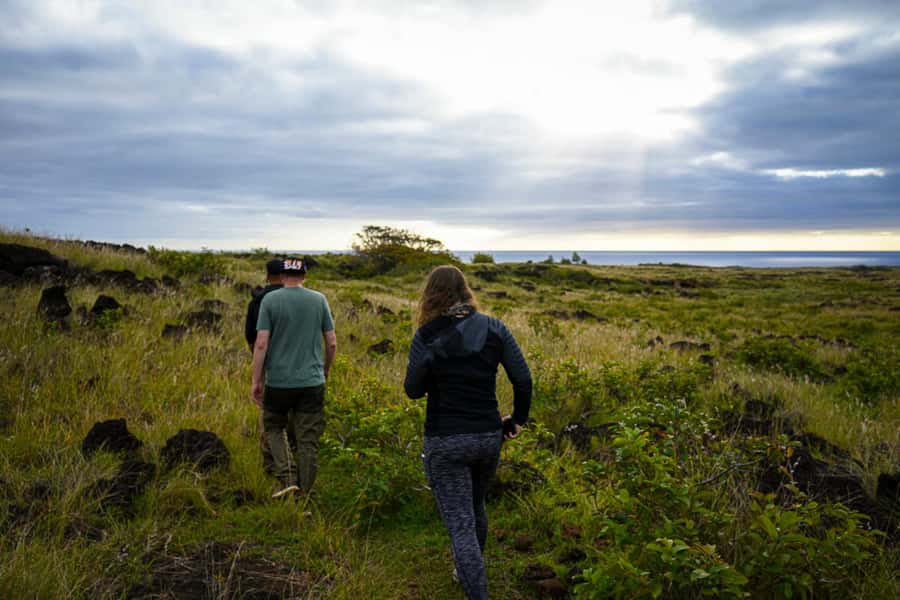
You should plan to walk during this part of the outing. Comfortable shoes are important from the start, not just for Ana Te Pahu. The information provided does not specify how much of the route is uneven, but the tour does include walking at every major stop, so basic outdoor footwear is the sensible choice.
An hour is enough to see the site at a measured pace, take photographs, and listen to the guide. It is not enough for a long archaeological visit or an unhurried session at every angle. If Ahu Akivi is your main interest, you may want a separate visit with more time. On this excursion, though, it works well as cultural preparation for the cave.
Ana Te Pahu: the longest and most active stop
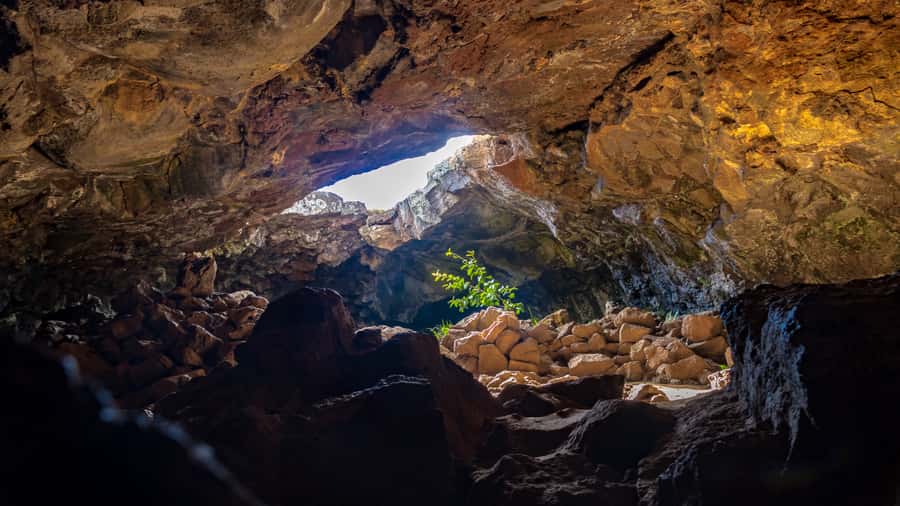
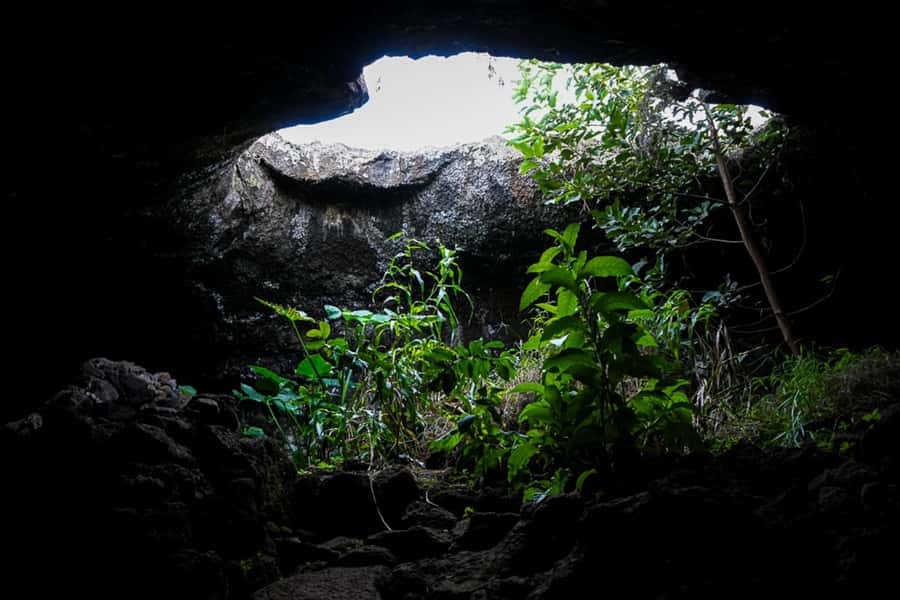
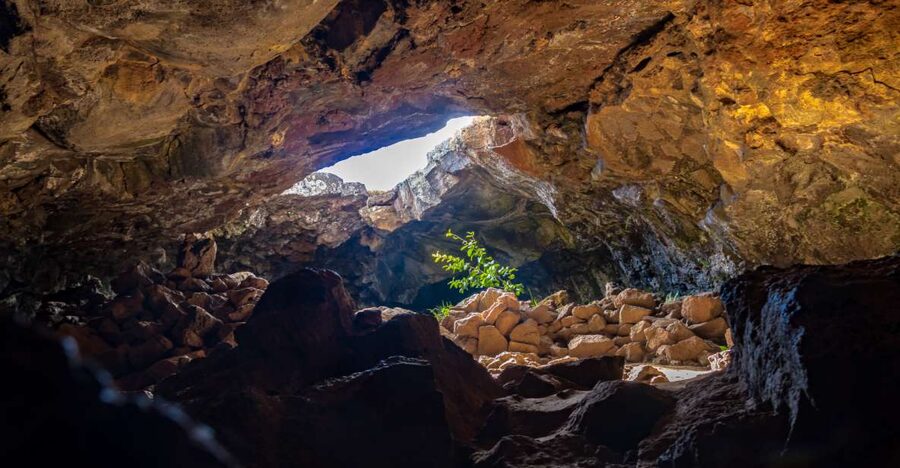
The cave visit lasts about 80 minutes, making it the heart of the outing. You will walk inside with a guide, view the volcanic interior, and learn how the Rapa Nui used caves as homes. The tour also focuses on ancestral life and cave art, including petroglyphs and engravings.
This is the part that requires the most attention to your own comfort. The tour is specifically not suitable for people with claustrophobia. Even if you generally enjoy caves, you should be ready for a darker, enclosed setting and for walking through the cave rather than simply standing at its entrance.
The exact walking conditions are not given, so I would treat the cave as an outdoor adventure rather than a polished attraction. Wear sports shoes or other comfortable footwear. Avoid arriving in sandals or hard dress shoes. You should also follow the guide closely, since the instructions specifically call for walking inside the cave with a guide.
The 80-minute length is useful. It allows time for explanation, photographs, and sightseeing without making the cave the entire day. The guide is especially important here. One verified booking praised the guide’s command of the subject and called the outing very interesting. Another short Spanish-language comment praised the guide’s kindness. Those two points are worth noting because cave visits depend heavily on the person leading them. A clear explanation and a friendly manner can turn a dark passage into a meaningful cultural visit.
The tour is offered in English, Spanish, and French. If language choice matters to you, confirm your preferred language when booking. The supplied information does not name the guide, so you should not expect to request a particular person.
Rock art and ancestral life inside the cave
The rock art gives the cave visit its historical focus. Petroglyphs and engravings are not decorative extras here. They are part of the evidence connecting the cave to the people who used and shaped these spaces.
I would keep your expectations grounded. The details do not promise a museum-style collection, lighting system, or extensive interpretive displays. This is a guided visit to a natural cave where art and traces of use may be encountered in place. That makes the setting special, but it also means you should listen closely and avoid treating the cave like a casual photo set.
The tour description links the cave to Rapa Nui ancestral life, which is its strongest educational feature. You are not only looking at stone. You are considering how people adapted to a volcanic island, how they used natural shelter, and how art formed part of their world.
Because the cave is a protected cultural and natural setting, follow every instruction from the guide. The supplied information does not list specific rules about touching, photography, or lighting, so ask your guide before handling equipment or photographing sensitive areas.
A completely different sort of day out of Easter Island:
- Full day tour – DREAM
★ 5.0 · 86 reviews - From Hanga Roa: Journey from Orongo to Ana Te Pahu
★ 4.3 · 75 reviews - Rapa Nui Stargazing
★ 4.5 · 62 reviews - Two days of Full Day Tour of Rapa Nui + Sunrise in Tongariki
★ 4.8 · 55 reviews
Puna Pau: a short stop with a useful connection
The final stop is Puna Pau, with about 30 minutes for a break, photographs, walking, sightseeing, and guiding. It is shorter than Ahu Akivi and Ana Te Pahu, but it adds an important piece to the island’s stone story.
Puna Pau is associated with the red volcanic stone used for the topknots placed on some moai. The supplied tour information does not spell out this connection in detail, so ask your guide to explain exactly what you are seeing. The stop is still valuable because it shows that the stone used in monumental sculpture came from different parts of the island and had different visual qualities.
Thirty minutes keeps the tour moving. You will have time for a look around and photographs, but not an extended walk. This is a good final stop after the cave because it returns you to open air and volcanic scenery before the ride back to Hanga Roa.
The itinerary lists 60 minutes at Ahu Akivi, 80 minutes at Ana Te Pahu, and 30 minutes at Puna Pau. That adds up to 170 minutes, while the advertised duration is three hours. In practice, the stop times are likely approximate, or travel time may be folded into the schedule. If you have a flight, meal reservation, or another timed activity, allow extra breathing room after the stated return time.
What the $170 price really buys you
At $170 per person, this is not a budget sightseeing ride. The value depends on how much you want a private, guided experience with hotel transport and a strong focus on cave culture.
The included pickup and return reduce the hassle of arranging transport from Hanga Roa. That matters on Rapa Nui, where a short tour can otherwise require separate planning. You also get a live guide in English, Spanish, or French, and the private group format should make it easier to ask questions or adjust the pace within the schedule.
The price does not include food, drinks, tips, or the national park entrance fee. The park admission is the largest extra item to remember. Since it is excluded, add that cost to your budget before deciding that $170 is the full price.
For a private group interested in Rapa Nui culture, the price can make sense. You are paying for transport, guiding, and access to a cave-focused program that links archaeology, art, and volcanic geology. For a solo visitor mainly looking for a quick photo stop, it may feel expensive, especially once the park entrance is added.
Private groups and the pace of the day
A private group changes the feel of the outing. You are not joining a large mixed crowd, and you can ask questions during the stops without waiting for a whole busload of people to catch up.
The three-hour length makes this a useful half-day addition to a longer Rapa Nui visit. You can fit it into a day when you want cultural sightseeing without committing to a full-day excursion. Still, the schedule is fairly full. Ahu Akivi, Ana Te Pahu, and Puna Pau each require some walking, and the cave visit needs attention rather than a rushed glance.
Hotel pickup is included from Hanga Roa. You should wait in the hotel lobby 10 minutes before the scheduled pickup time. That small detail matters because the tour begins with a transfer, and a late start could shorten time at the sites.
Bring comfortable shoes or sports shoes. Food and drinks are not included, so plan those separately. The details do not promise refreshments, and there is no reason to assume that a meal break forms part of the three-hour schedule.
Who should book this Rapa Nui cave tour
I would recommend this excursion to you if you want more than moai photographs. It suits people who are curious about how the Rapa Nui lived, who enjoy guided interpretation, and who are comfortable walking through a cave.
It is also a good match if you have limited time on the island. The tour gathers three distinct sites into one short outing and includes hotel transport. The private format is helpful if you want to ask questions in your preferred language.
You may want to skip it if enclosed spaces make you anxious, since the cave is central to the experience. It is also not the best choice if you want a slow, highly detailed visit at every stop. The schedule gives the cave the most time, while Ahu Akivi and Puna Pau receive shorter visits.
The 4.7 rating from eight verified bookings suggests a strong overall response, but the sample is small. The clearest praise concerns the guide: one person valued the guide’s subject knowledge, and another appreciated the guide’s kindness. That matches what matters most on this kind of tour. The cave itself is impressive, but the quality of the explanation shapes what you take away.
Should you book Volcanic Refuges?
Book it if you want to connect Rapa Nui’s monuments with everyday ancestral life, and if entering the island’s largest cave sounds more interesting than another surface-level sightseeing loop. The private group, hotel transport, multilingual guiding, and focus on cave art give the $170 price a reasonable case, though the park entrance fee is extra.
Skip it if you dislike enclosed spaces, want a low-cost option, or need a precise three-hour finish. For the right person, this is a thoughtful and active way to see Rapa Nui beyond the famous statues.
FAQ
How long does the Volcanic Refuges excursion last?
The advertised duration is three hours. The planned visits include about 60 minutes at Ahu Akivi, 80 minutes at Ana Te Pahu, and 30 minutes at Puna Pau, so the stop times are approximate.
Where does the tour begin and end?
Pickup and return are provided from your hotel in Hanga Roa. You should wait in the hotel lobby 10 minutes before your scheduled pickup.
Is the national park entrance fee included?
No. The park entrance fee is not included in the $170 price.
Is food or drink included?
No. Food and drinks are not included.
What languages are available for the live guide?
The live guide service is available in English, Spanish, and French.
What should I wear or bring?
Bring comfortable shoes or sports shoes. The tour includes walking inside a cave with a guide.
Is the cave tour suitable for people with claustrophobia?
No. The activity is not suitable for people with claustrophobia because the cave visit takes place inside an enclosed space.
Just added around Easter Island
- Easter Island: 2 Full Days Private Tour★ 3.9 · 3 reviews
- Easter Island: Full Day Ancestral Caves and Orongo Village★ 5.0 · 3 reviews
- Easter Island: Customized recreational-tourist diving★ 5.0 · 3 reviews
- Ancestral fishing: Fishing with an experienced Rapa Nui★ 4.4 · 3 reviews
- Birdman Cult and Caves★ 4.0 · 5 reviews
- Easter Island: Moai Full Day Private Tour★ 4.8 · 5 reviews
- Rapa Nui: Polynesian Massage★ 4.8 · 5 reviews
- Rapa Nui: 3 Excursions with Hotel Transfers★ 4.3 · 6 reviews
Easter Island Tours, compared.
Two days of Full Day Tour of Rapa Nui + Sunrise in Tongariki
Read our review →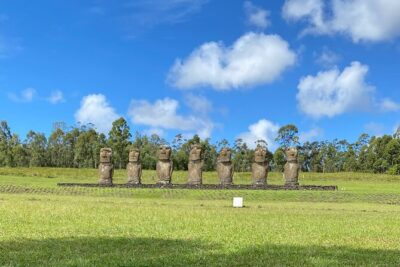
Browse the lists this tour appears in