
Reviewed · EASTER ISLAND TOURS
Ancestral fishing: Fishing with an experienced Rapa Nui
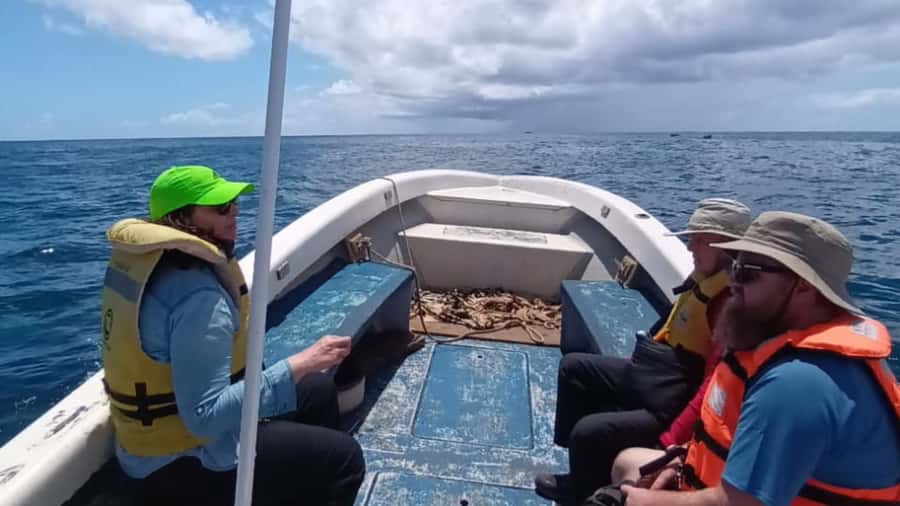
Cast your line beside Rapa Nui fishermen. This three-hour private boat trip gives you a rare way to meet local culture at sea, not just from the roads and archaeological sites. You learn traditional fishing techniques, help prepare the equipment, and spend time on the Pacific with a native Rapa Nui guide.
I like the small private-group format and the chance to eat fish prepared by the fishermen, if your catch is successful. I also like that the trip includes hotel pickup, fishing equipment, lifejackets, and snorkeling equipment, so you do not need to arrange the basics yourself.
The main drawback is simple: fishing depends on weather and fish. One booking was shifted because of poor conditions, and another group caught little despite a strong effort. English support may also vary, so confirm your language needs when booking.
In This Review
- Key points to know before you book
- What this Rapa Nui fishing trip is really about
- Leaving Hanga Roa for Hanga Piko
- A short stop at Ana Kai Tangata
- Two hours of fishing on the Pacific
- The birdman area and offshore views
- What happens if you catch a fish
- Is the $180 price good value?
- Weather, language, and other practical concerns
- Who will enjoy this most?
- Booking advice for your Rapa Nui itinerary
- Should you book this ancestral fishing experience?
- FAQ
- How long does the ancestral fishing experience last?
- Where does pickup take place?
- Is the tour private?
- Which languages are available?
- What equipment is included?
- Is food included in the price?
- Can I keep the fish I catch?
- What should I bring?
- Can I cancel for a full refund?
Key points to know before you book
- A private three-hour boat outing: Pickup and return are included anywhere in Hanga Roa.
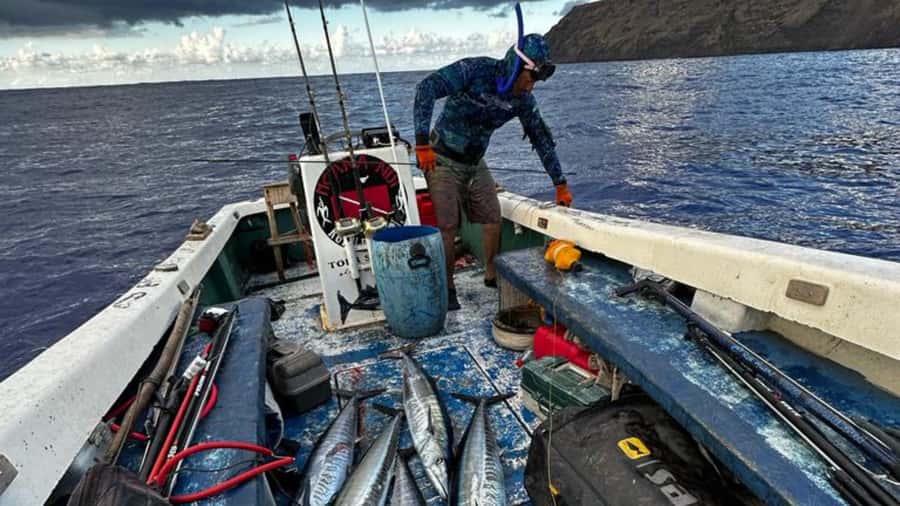
- Fishing with native Rapa Nui fishermen: You learn by doing, from preparing the gear to trying to land a fish.
- A changing Pacific setting: The route includes Hanga Piko, Ana Kai Tangata, and offshore views near the birdman area.
- A catch may become your meal: The fishermen prepare fish you catch, though food itself is not included.
- Weather affects the day: Rough conditions can force a postponement, and calm water does not guarantee fish.
- Bring a way to carry fish: If you take your catch away, bring a cooler and bags. A bucket of water can make a wet, messy transport container.
What this Rapa Nui fishing trip is really about
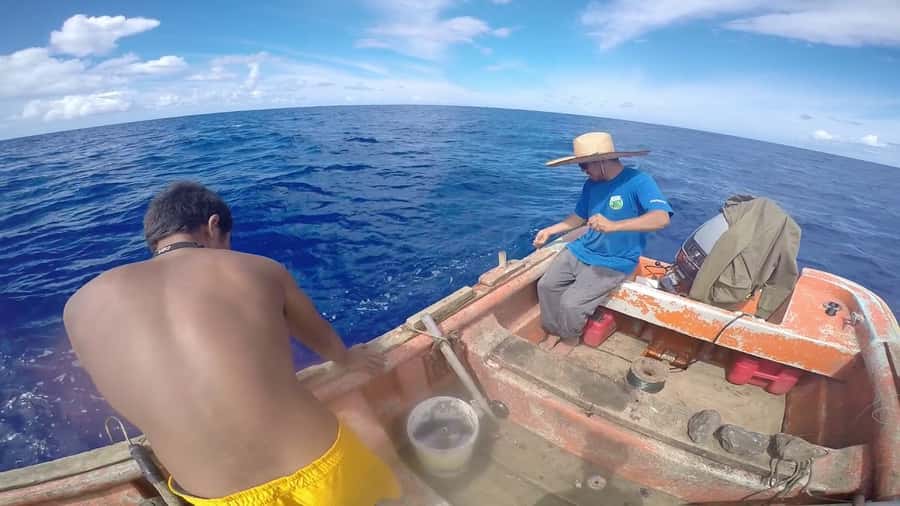
This is not a standard sightseeing cruise with a fishing rod added on. The point is to spend time with native Rapa Nui fishermen and learn how fishing fits into island life. You handle the equipment, listen to explanations about local culture, and try the techniques under guidance.
That makes the experience a useful counterpoint to visiting moai sites. The statues tell one part of Rapa Nui’s story. A boat trip with local fishermen gives you a more personal connection to the ocean and to a practical tradition.
The tour lasts three hours, including pickup, short stops, and the main time at sea. That is long enough to feel like a proper outing, but short enough to fit into a busy island schedule. I would not treat it as a guaranteed fishing charter. Think of it as a cultural boat experience where catching fish is the hoped-for reward.
The private format matters. You are not being added to a large crowd, and the fishermen can focus their instruction on your group. That is particularly helpful if you have little fishing experience or want to ask questions about Rapa Nui life.
Other Easter Island trips people book alongside this one:
- From Hanga Roa: Rapa Nui Culture Sightseeing Tour
★ 4.6 · 307 reviews - From Hanga Roa: Easter Island Highlights 2-Day Tour
★ 4.3 · 205 reviews - From Hanga Roa: Easter Island Sightseeing Full Day Tour
★ 4.5 · 189 reviews
Leaving Hanga Roa for Hanga Piko
The day begins with pickup in Hanga Roa, and the operator can collect you from any place you specify. Hotel pickup and return remove one common island headache: arranging transport to the harbor on your own.
The first stop is Hanga Piko, where you receive a guided introduction lasting about ten minutes. This is a short orientation rather than a full sightseeing visit. It helps set the scene before you head onto the water and begin the fishing portion.
Use this moment to make sure you understand the plan. Ask about the expected sea conditions, how the gear works, and what happens if you catch a fish. If you need English guidance, this is also a sensible time to confirm how much instruction will be provided in English.
The tour is offered in English and Spanish. One person with low-intermediate Spanish found communication difficult when English support was limited, while another group specifically praised the guide’s English. That contrast is worth taking seriously. Language quality may depend on the guide assigned that day, so ask for an English-speaking guide in advance if that is important to you.
A short stop at Ana Kai Tangata
Next comes Ana Kai Tangata, with about ten minutes for photographs. It is a quick stop, so expect a chance to take pictures rather than a long guided visit.
The stop gives the outing some variety before the longer time on the boat. You are not spending the entire three hours focused on a fishing line, which helps if someone in your group enjoys scenery and photography more than fishing.
Keep your camera ready and avoid treating this as a leisurely shore excursion. The schedule moves on after a short pause. Comfortable sandals or shoes will help during this transition, and a change of clothes is sensible if spray or handling fish leaves you wet.
Two hours of fishing on the Pacific
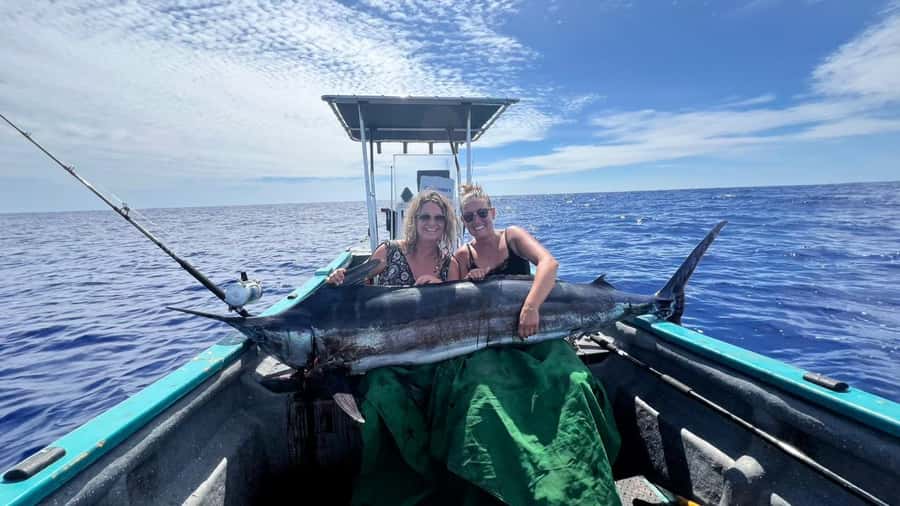
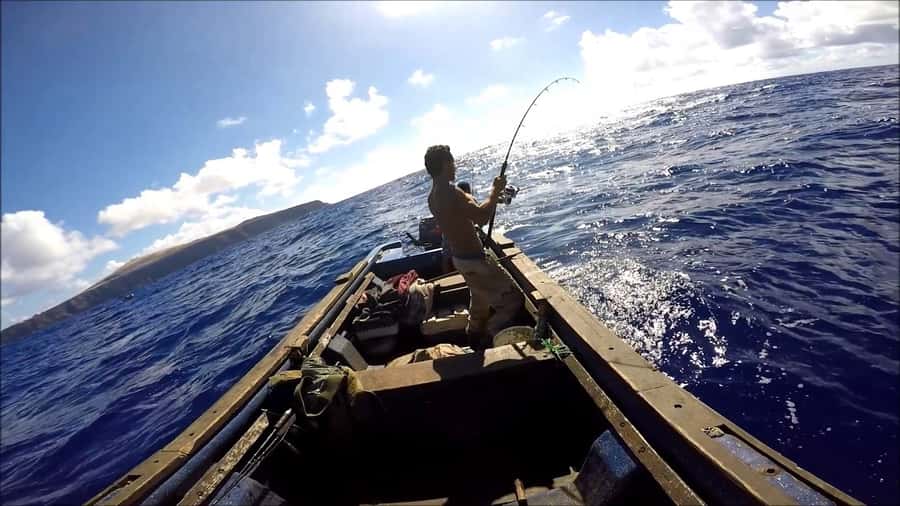
The central part of the trip lasts about two hours at the location identified in the itinerary. Here, the native fishermen guide you through the process, beginning with equipment preparation and continuing through the attempt to catch fish.
The value is in the instruction and the setting. You are not simply handed gear and left to wait. The fishermen show you their approach and help you make the most of the conditions. Fishing can be slow, but the waiting is part of the experience, especially when the guide explains local methods and island culture.
The Pacific views are a major reward even when the fish are not biting. One booking described the boat trip as spectacular despite poor fishing conditions. Another group saw the small islands near the birdman area while the guide moved between promising fishing spots.
That flexibility from the guide is important. You are not guaranteed a catch, but the guide may steer you toward areas considered better for fishing and keep trying for your group. One party did land a fish, while another caught nothing on a difficult day. Both outcomes are normal for an ocean trip.
You should also expect the experience to feel active rather than polished. Fishing gear can become wet, and the boat setting is not the place for your best clothes. Bring beachwear, sunscreen, sandals, comfortable shoes, and a full change of clothes.
Lifejackets are included. Snorkeling equipment is also provided, but the information does not promise a dedicated snorkeling session. Ask the operator if you specifically want time in the water for snorkeling rather than fishing.
A few more Easter Island trips worth weighing up
- Full day tour – DREAM
★ 5.0 · 86 reviews - From Hanga Roa: Journey from Orongo to Ana Te Pahu
★ 4.3 · 75 reviews - Rapa Nui Stargazing
★ 4.5 · 62 reviews - Two days of Full Day Tour of Rapa Nui + Sunrise in Tongariki
★ 4.8 · 55 reviews
The birdman area and offshore views
The boat may pass close to the islands associated with the birdman area, giving you a different view of Rapa Nui’s coastal setting. The exact route depends on the day and the sea, so treat this as a possible sight rather than a guaranteed stop.
This is one of the strongest reasons to choose the outing even if you are not an avid angler. From the water, you see the island from a fresh angle, and the boat ride adds context to the relationship between Rapa Nui people and the sea.
Do not expect a long archaeological explanation at sea. The cultural value comes through conversation with the fishermen and the act of learning a traditional practice. If you want detailed archaeological interpretation, pair this trip with a separate visit to the island’s major heritage sites.
What happens if you catch a fish
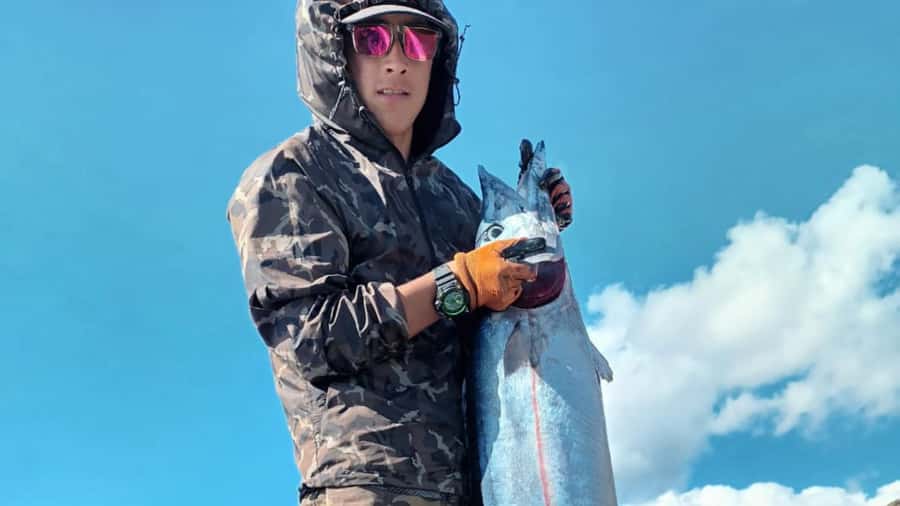
If you catch fish, the fishermen prepare it so you can enjoy it as a local dinner. This is a memorable finish because the meal connects directly to the activity you just completed.
Food is not included as a general tour provision, so do not board expecting lunch or dinner to be supplied regardless of the catch. The meal depends on success and on what the fishermen prepare.
You also need to plan for the practical side of carrying fish. The fish may not be filleted. If you want to take it somewhere for cooking, bring a cooler and bags or another secure container.
One person used a bucket filled with water and found that it created a considerable mess. A cooler with sealed bags is a better plan if you intend to transport your catch. If you are staying at a hotel, check first whether the property can accept or store fish.
This detail may sound minor, but it can shape the end of your day. A freshly caught fish is a treat. A leaking bucket in your vehicle is less charming.
Is the $180 price good value?
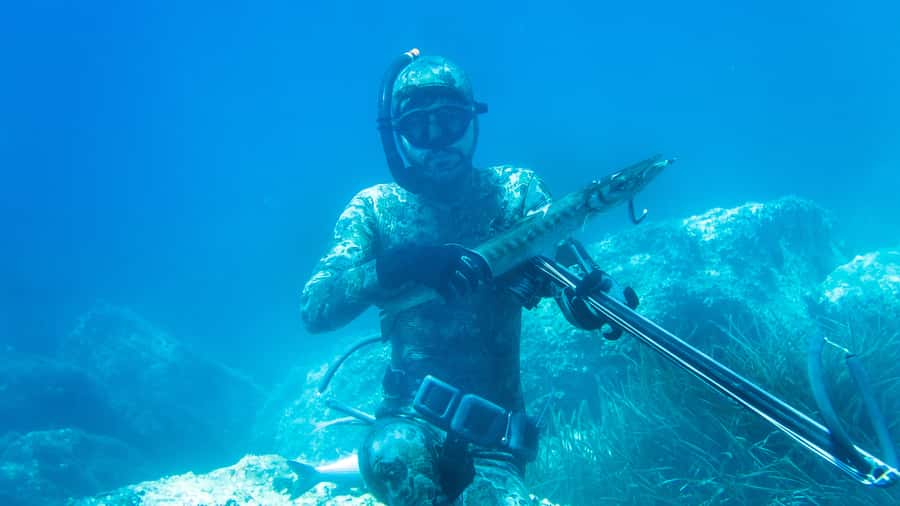
At $180 per person, this is not a cheap way to spend three hours. The value depends on what you want from Rapa Nui.
If you want the lowest-cost fishing excursion possible, the price may feel high. You are paying for a private group, hotel pickup and return, fishing gear, safety equipment, a local guide, and a cultural exchange that is difficult to arrange independently.
The price makes more sense if you value personal instruction and local contact. You also get a boat outing, coastal views, and the possibility of a meal made from your own catch. The private format can be especially worthwhile for couples, families, or a small group that wants direct attention.
I would compare it with the cost of a standard private boat outing, not with a basic beach activity. The experience combines transport, guiding, equipment, and cultural access. Still, the fishing itself is never certain, so you should be comfortable paying for the time and setting, not only for a fish.
The three-hour duration helps the value. It is long enough to reach the main fishing area and spend about two hours working with the gear. It is also short enough to leave room for moai sites, food, and other activities during your stay.
Weather, language, and other practical concerns
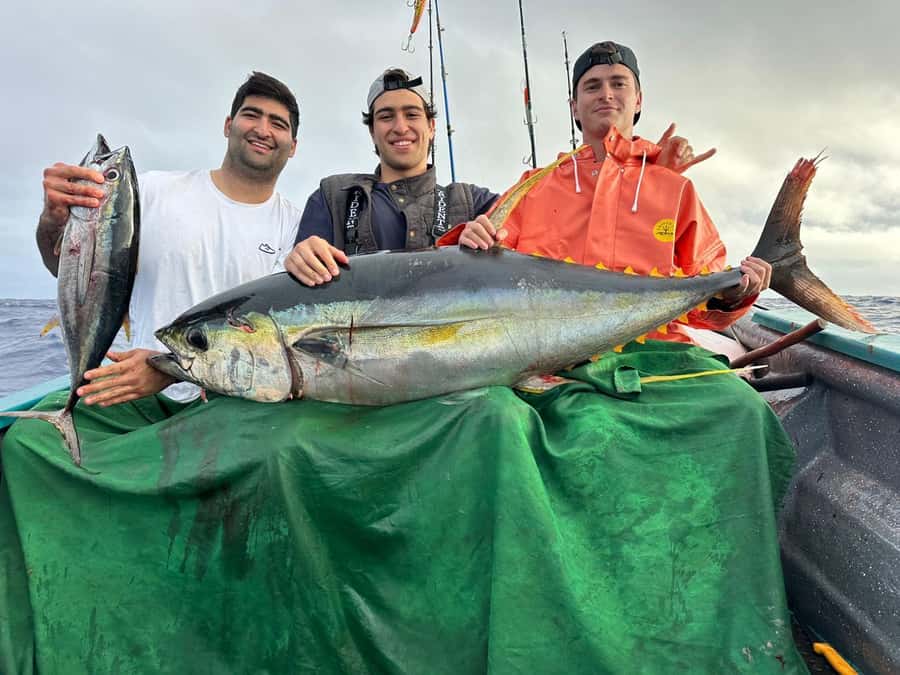
Weather is the biggest factor outside your control. One outing had to move to the following day because conditions were poor. If your schedule is tight, avoid placing this tour on the final day of your visit.
A weather postponement can also change the value of the booking. One person had originally selected a day with more free time, then had to move to a date with less time available. Build some flexibility into your itinerary if you can.
Fishing conditions matter just as much as weather. A guide can work hard, move between likely areas, and keep trying, but the fish may still refuse to cooperate. Go because you want the boat ride and cultural experience, with the catch treated as a bonus.
Language deserves equal attention. English and Spanish are offered, but the amount of English help can differ. If you do not speak Spanish comfortably, request an English-speaking guide before confirming and be realistic about how important detailed conversation is to you.
Wear clothes that can handle saltwater and fish handling. Sunscreen and beachwear are essential, while sandals and comfortable shoes make boarding and moving around easier. Pack a dry change of clothes even on a sunny day.
Who will enjoy this most?
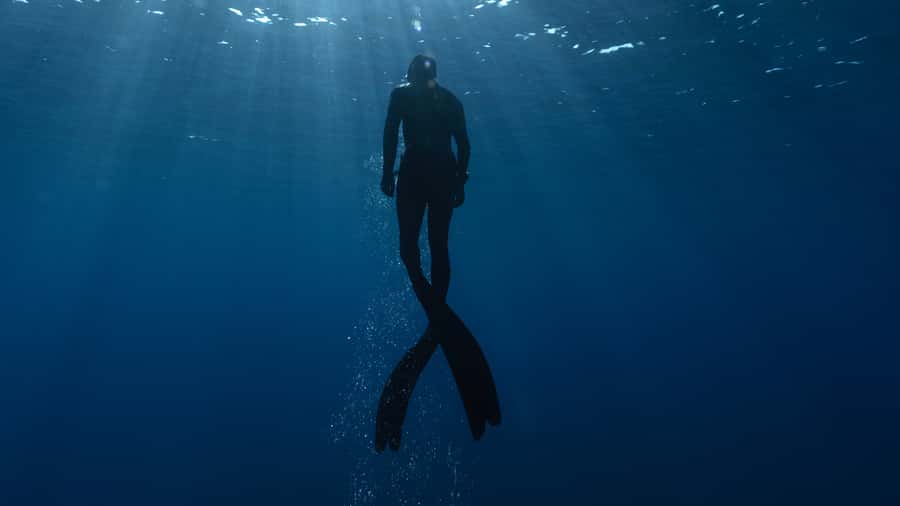
I would recommend this trip to anyone who has already planned the main moai visits and wants a more personal way to experience Rapa Nui. It suits people who enjoy hands-on activities, local conversation, coastal scenery, and the uncertainty of real fishing.
It is also a good choice for a small private group with mixed interests. The angler gets time with the fishing gear, while others can enjoy the views and the cultural conversation. The Ana Kai Tangata photo stop and possible views near the birdman area add interest for people who are not serious fishers.
This is less suitable for someone who needs a guaranteed catch, a long fishing session, or a highly structured museum-style tour. It may also disappoint if you have only one free day and cannot cope with a weather change.
The trip is not presented as a luxury cruise. It is a working boat experience with practical equipment, changing conditions, and a local fishing focus. That is part of its appeal, but you should know what you are choosing.
Booking advice for your Rapa Nui itinerary
Reserve this experience for a day when you have some flexibility. The operator permits cancellation up to 24 hours before departure for a full refund, and you can reserve now and pay later, which helps while you are arranging a larger island itinerary.
Pickup is included from Hanga Roa, and the group is private. Confirm your preferred language, ask about the likely departure time, and tell the operator if you want to keep any fish you catch.
I would also keep your plans after the trip loose. A successful catch may lead to a meal, while wet clothes, a delayed return, or changing sea conditions could make a tightly scheduled afternoon inconvenient.
Should you book this ancestral fishing experience?
Book it if you want to meet Rapa Nui culture through the sea rather than only through monuments. The strongest parts are the private setting, direct guidance from native fishermen, coastal views, and the chance to eat a catch prepared by the people who taught you.
Skip it if your priority is a guaranteed catch, perfect English communication, or the cheapest possible activity. The fish may not bite, the weather may shift your plans, and the three hours can feel brief if the fishing is slow.
For the right person, $180 buys more than a rod and a boat seat. It buys a practical encounter with island life, plus a memorable view of Rapa Nui from the Pacific. Just bring sunscreen, dry clothes, and a proper cooler if you hope to carry dinner home.
FAQ
How long does the ancestral fishing experience last?
The experience lasts three hours, including pickup, the short stops, and the main fishing time at sea.
Where does pickup take place?
Pickup and return are available from Hanga Roa, and the operator can collect you from any place you specify.
Is the tour private?
Yes. The experience is offered for a private group.
Which languages are available?
The tour is offered with live guidance in English and Spanish.
What equipment is included?
Fishing equipment, a lifejacket, and snorkeling equipment are included.
Is food included in the price?
No. Food is not included as a general provision, though fish you catch can be prepared by the fishermen for you to enjoy.
Can I keep the fish I catch?
The provided information indicates that you can take caught fish with you, but it may not be filleted. Bring a cooler and bags or another suitable container for transport.
What should I bring?
Bring comfortable shoes, sandals, sunscreen, beachwear, and a change of clothes.
Can I cancel for a full refund?
Yes. You can cancel up to 24 hours in advance for a full refund.
Just added around Easter Island
- Easter Island: 2 Full Days Private Tour★ 3.9 · 3 reviews
- Easter Island: Full Day Ancestral Caves and Orongo Village★ 5.0 · 3 reviews
- Easter Island: Customized recreational-tourist diving★ 5.0 · 3 reviews
- Birdman Cult and Caves★ 4.0 · 5 reviews
- Easter Island: Moai Full Day Private Tour★ 4.8 · 5 reviews
- Rapa Nui: Polynesian Massage★ 4.8 · 5 reviews
- Rapa Nui: 3 Excursions with Hotel Transfers★ 4.3 · 6 reviews
- Volcanic Refuges: Excursion to Underground Civilization★ 4.7 · 8 reviews
Easter Island Tours, compared.
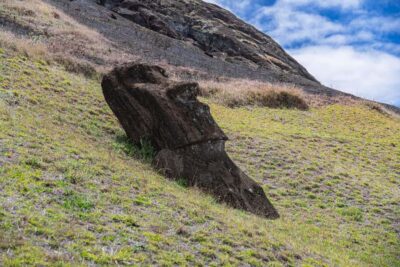
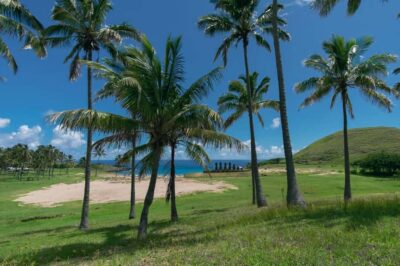
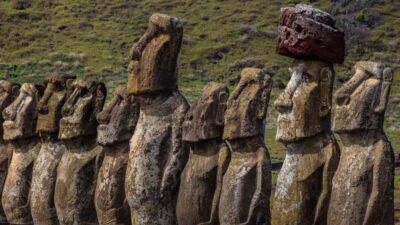

Two days of Full Day Tour of Rapa Nui + Sunrise in Tongariki
Read our review →
Browse the lists this tour appears in