
Reviewed · EASTER ISLAND TOURS
From Hanga Roa: Easter Island Sightseeing Full Day Tour
Moai, volcanoes, and stories fill this island day. This eight-hour outing takes you to five major Rapa Nui sites with a local English- and Spanish-speaking guide, making it a useful way to see the island’s eastern and northern highlights without arranging several separate trips. I like the small group limit of 14, and I like the hotel pickup and return, especially on an island where a little help with transport makes a big difference. The main catch is that the $70 price does not include the national park ticket or lunch.
The tour’s best feature is the guide service. Names such as Hiva, Enzo, Franc, Fernanda, Ata, and Pocho appear repeatedly in the feedback, with praise for clear explanations, calm pacing, and thoughtful care. Bring water, snacks, sunscreen, and your passport or ID, since food and drinks may not be available along the route, and there are only a few bathroom stops.
In This Review
- Key details at a glance
- Why this is a smart first day on Rapa Nui
- Vaihu: a quiet first encounter with fallen moai
- Akahanga: ruins, village remains, and a sense of change
- Rano Raraku: the place that explains the moai
- Tongariki: the island’s grandest moai view
- Te Pito Kura and the tour’s changing finale
- Transport, timing, and the small-group tradeoff
- What to pack before leaving Hanga Roa
- Is $70 good value?
- Who should book this outing?
- Should you book the Easter Island sightseeing tour?
- FAQ
- How long does the tour last?
- What sites does the tour visit?
- Is hotel pickup included?
- Is lunch included?
- Is the national park ticket included?
- What languages does the guide speak?
- How large is the group?
- What should I bring?
- Can I cancel the booking?
Key details at a glance
- Five powerful moai sites: Visit Vaihu, Akahanga, Rano Raraku, Tongariki, and Te Pito Kura in one full day.
- Rano Raraku is the centerpiece: See the volcanic quarry where many famous moai were carved.
- Small-group transport: The advertised maximum is 14 people, with some departures using a minibus for about 12 or 13 passengers.
- Strong guiding is the main asset: Guides explain the sites in English and Spanish, with Hiva, Ata, Enzo, Franc, and Fernanda receiving especially warm praise.
- Pack your own supplies: Lunch is not included, and one detailed account reported no reliable food or water stops.
- The final stop may vary: The core route names Te Pito Kura, while some departures have also included Anakena Beach and time for swimming.
Why this is a smart first day on Rapa Nui
Easter Island can look compact on a map, but its archaeological sites are spread around the coast and inland volcanic slopes. If your time is limited, this route gives you a strong first look at the island’s major moai sites in a single day.
I especially like the order of the visits. You begin with fallen and fragmented statues at Vaihu and Akahanga, then reach Rano Raraku, where the moai-making process becomes easier to understand. After that, Tongariki provides the grand postcard view, and Te Pito Kura adds a smaller site with unusual cultural and geological stories.
The group size matters. A van carrying 12 or 13 people is easier to manage than a large coach, and a guide can usually hear your questions without shouting. It also keeps the day more personal, although the last person collected may not get the best seat. One person reported being placed in the middle without a window, which made taking photographs difficult.
The guides are the strongest part of the experience. Hiva was praised for giving detailed explanations in both languages and looking after the whole group. Ata received particular approval for clear English pronunciation. Enzo was described as friendly, calm, and good at answering questions in English and Spanish. These details matter because a moai site without context can become a quick photo stop. With a good guide, the fallen statues, unfinished figures, and ceremonial platforms begin to make sense.
A few more Easter Island trips worth weighing up
- Full day tour – DREAM
★ 5.0 · 86 reviews - Two days of Full Day Tour of Rapa Nui + Sunrise in Tongariki
★ 4.8 · 55 reviews - Easter Island: Full-Day Tour to Anakena
★ 4.7 · 27 reviews
Vaihu: a quiet first encounter with fallen moai
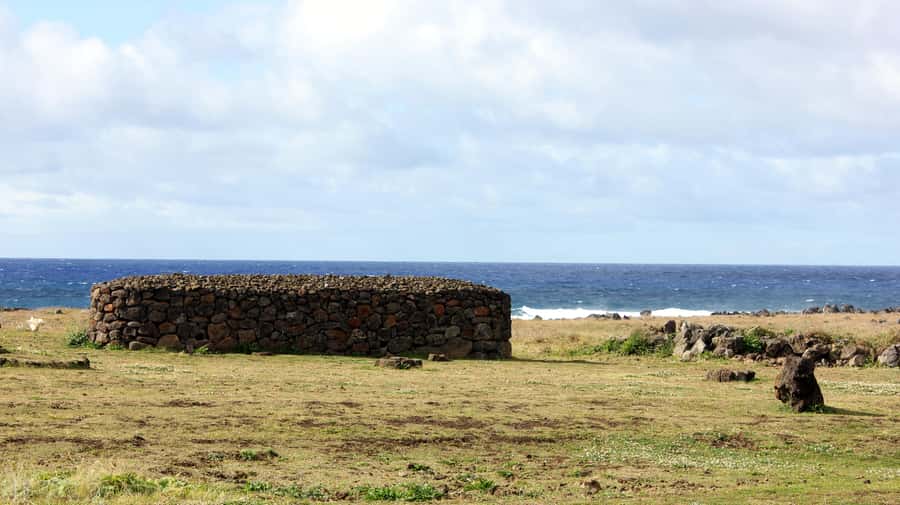
Vaihu introduces you to a less polished side of Rapa Nui. Instead of seeing only statues arranged for photographs, you encounter moai lying face down near the coast. Their toppled condition gives the place a solemn mood and raises questions about how the island changed over time.
Your guide explains how the statues were made and what they meant to the people who placed them. That background is useful here because the site itself does not deliver the instant visual drama of Tongariki. You need to slow down and look at the remains of the ceremonial area, the stone platforms, and the relationship between the statues and the sea.
The stop is also a good reminder that Rapa Nui is not an open-air collection of standing statues. Many moai were damaged or toppled, and the ruins are part of the story. I like beginning here because it sets up the questions that later stops answer.
Akahanga: ruins, village remains, and a sense of change
Akahanga continues the story with toppled moai and the remains of traditional Polynesian settlement. You get a closer look at how people lived around the ceremonial platforms, rather than seeing the statues as isolated sculptures.
This is one of the places where a guide adds real value. The site can feel scattered, with stones, foundations, and fallen figures spread across the ground. A good explanation helps you connect the village remains with the ahu, or ceremonial platform, and understand that this was once an active community setting.
The pace seems to be handled well on most departures. One guide, Fernanda, was praised for moving calmly and never making the day feel exhausting. That is important because an eight-hour route could easily become a forced march. Walks are generally short, with a few steps, but you should still wear shoes that are comfortable on uneven ground.
Some departures have included a lunch break near Akahanga, but lunch is not part of the advertised price. Another detailed account specifically advised bringing food because there was no lunch stop or place to buy supplies. Treat the meal plan as uncertain and pack your own lunch or substantial snacks.
Rano Raraku: the place that explains the moai
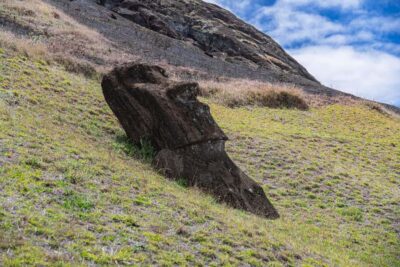
Rano Raraku is the essential stop. This volcanic quarry is where the island’s famous moai were carved from stone, and it gives you the clearest sense of the work behind the statues.
Here, unfinished figures remain attached to the rock or rest along the slopes. You can see how the carvers shaped the bodies from the volcanic material before the statues were moved elsewhere. The site changes your understanding of the moai. They stop looking like mysterious objects that appeared beside the ocean and become the result of planning, skill, and enormous physical effort.
The hillside setting also provides some of the tour’s best views. You may walk uphill and encounter moai at different stages of completion, so this is the stop where sturdy footwear and water matter most. The route is not described as a strenuous hike, but the ground is uneven and there are a few steps.
Pay attention to your park ticket. One person pointed out that the stone-carving site can be visited only once on the national park ticket. That makes the timing important. If you are staying on Rapa Nui for several days and plan to return independently, ask how the ticket rules apply before using your one visit.
This is also where the guide’s storytelling can make or break the stop. Kainoa, Simon, Gabriel, and other guides were praised for explaining the moai clearly and answering questions. I would allow yourself time to listen rather than treating Rano Raraku as a quick photo stop.
A completely different sort of day out of Easter Island:
- From Hanga Roa: Rapa Nui Culture Sightseeing Tour
★ 4.6 · 307 reviews - From Hanga Roa: Easter Island Highlights 2-Day Tour
★ 4.3 · 205 reviews - From Hanga Roa: Journey from Orongo to Ana Te Pahu
★ 4.3 · 75 reviews - Rapa Nui Stargazing
★ 4.5 · 62 reviews
Tongariki: the island’s grandest moai view
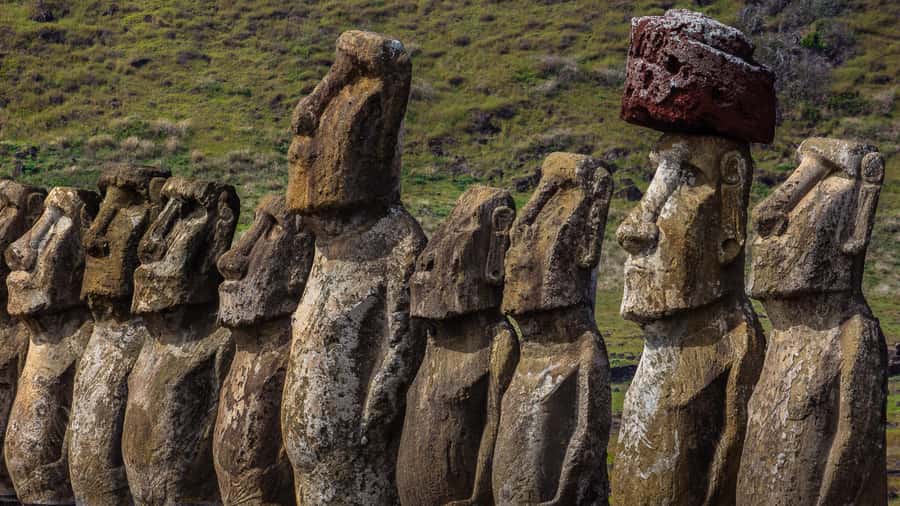
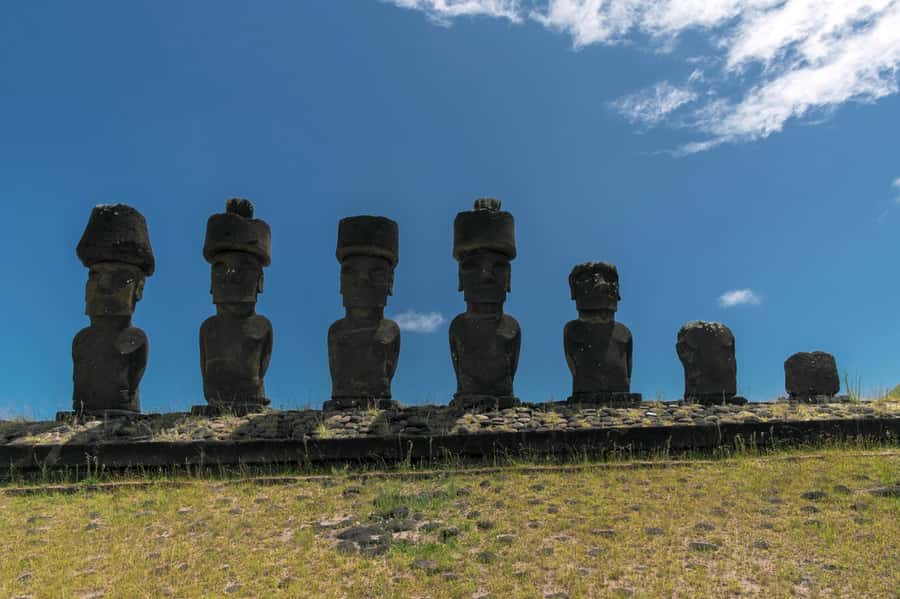
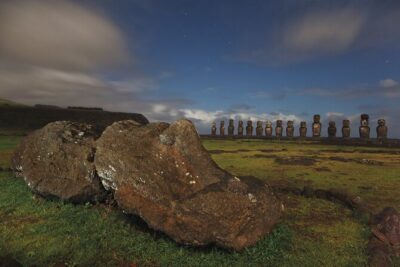
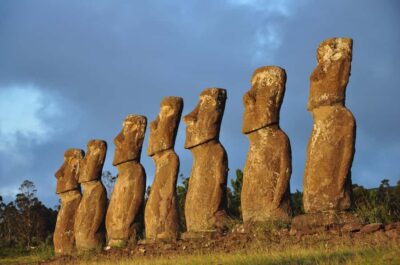
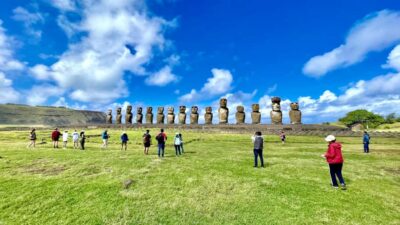
Tongariki is the visual high point for many people. Fifteen moai stand in a long row on a ceremonial platform beside the Pacific, creating the image most closely linked with Easter Island.
The setting gives you room to appreciate the scale. The statues are not scattered randomly. Their line, the platform beneath them, and the open sea behind them create a powerful sense of order. This is the place for photographs, but it is also worth putting the camera down for a moment.
Tongariki can feel busier than the other stops because it is so recognizable. A small group helps, since your guide can point out details without the confusion of a large crowd. You may also find that the time passes quickly here. If photography matters to you, stay alert to the guide’s departure time and keep your passport, water, and camera easy to reach.
The tour aims to give enough time at the main sites, and several people praised the pacing. Still, the day covers a lot of ground. If you want long periods of quiet at each platform, a private tour or separate visits may suit you better.
Te Pito Kura and the tour’s changing finale
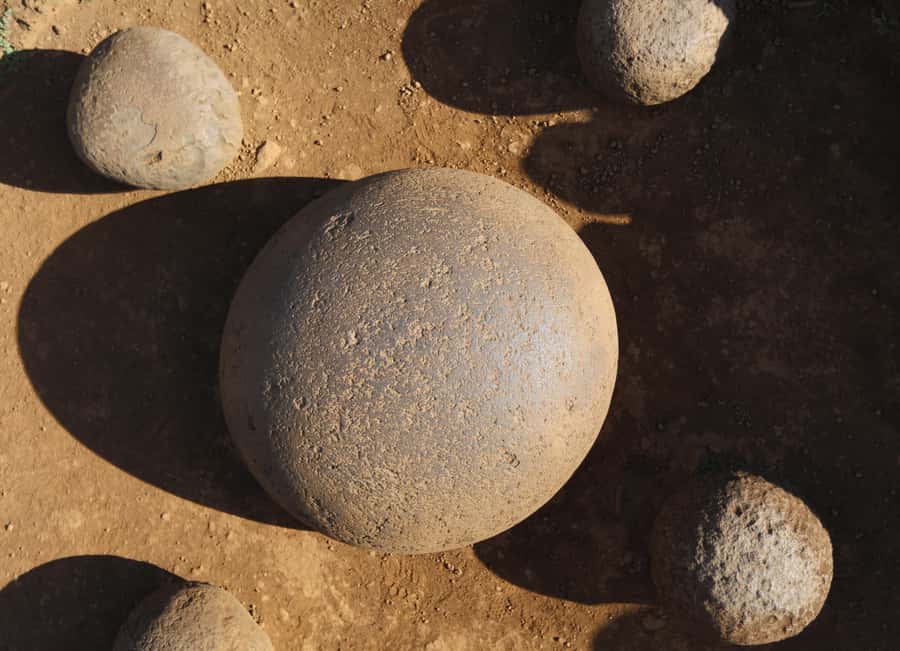
Te Pito Kura offers a different kind of stop. Along with a fallen moai and ceremonial remains, the area is known for a smooth, rounded stone associated with the navel of the world. The guide explains its cultural meaning and the stories surrounding its unusual magnetic qualities.
It is a fitting final site because it shifts attention from the largest statues to the beliefs and symbols connected with the island. After the scale of Rano Raraku and Tongariki, this smaller stop gives you a chance to think about how Rapa Nui culture combines natural objects, ceremony, and oral tradition.
There is an important practical wrinkle here. The main description names Te Pito Kura as the final destination, but some departures have ended at Anakena Beach instead, with time for swimming or a drink at a beach bar. One person loved finishing at the beach, while another had not brought swimwear and spent about 75 minutes waiting while others swam.
Ask about the ending before you leave Hanga Roa. If Anakena is included, bring a bathing suit and towel. If you do not plan to swim, carry a book, snacks, or something else for a possible wait. The beach can be a pleasant finish, but it may feel like dead time if it comes as a surprise.
Transport, timing, and the small-group tradeoff
Hotel pickup and drop-off make this tour easy to fit into a short stay. Pickup times can vary, and one person waited longer than expected before the minibus arrived. Be outside and ready at the stated time, since a driver may not be able to search for you if you are still inside the hotel.
The vehicles appear to be practical rather than luxurious. One account described a mechanically sound vehicle that needed a better cleaning, while the driver was praised for handling potholes and rough sections carefully. That is a fair picture of the experience: useful transport, not a premium coach service.
A maximum of 14 people keeps the outing manageable, but seats are not equal. If you are collected late in the pickup sequence, you might end up in the middle of the van. That matters on a scenic route, especially if you want photographs through the window.
The day usually takes about eight hours, though the exact rhythm depends on pickup order, group behavior, and the final stop. One guide was praised for staying calm when a passenger repeatedly delayed departures. That kind of patience is valuable, but it also means the schedule can slip.
What to pack before leaving Hanga Roa
The basics are simple, but they make the day more comfortable:
- Passport or ID card, which is required information for the tour
- National park ticket, which is not included in the $70 price
- Water and snacks
- Sunscreen and a hat
- Comfortable walking shoes
- Camera or phone with enough battery
- Swimsuit and towel if Anakena Beach may be included
Bathroom stops are limited. Plan accordingly before pickup. Also remember that the ticket fee and lunch can change the real cost of the day. At $70, the tour is not the cheapest way to hire a local guide, but it includes transport, hotel pickup and return, and a bilingual guide. One person called it pricier than some local options but still worth the smoother organization and excellent guide.
Is $70 good value?
For a first full day on Easter Island, I think the price is reasonable if you value convenience and interpretation. You are paying for a small vehicle, a planned route, and access to a guide who can explain why each site matters. That saves you from arranging transport between widely separated archaeological sites.
The value is strongest when your stay is short. If you have only one or two days, seeing Vaihu, Akahanga, Rano Raraku, Tongariki, and Te Pito Kura gives you a solid foundation. You can return later to whichever site deserves more quiet time.
The value is weaker if you already have a rental car, a private guide, or several free days. You may prefer to set your own schedule, linger longer at Tongariki, or avoid a beach stop if swimming does not interest you. The group format also means accepting other people’s pace.
Lunch is the main extra cost to plan for. Since reports differ about a meal stop, do not assume food will be provided. Carrying your own supplies protects you from a long stretch between meals.
Who should book this outing?
I would choose this tour if you want to see the major moai sites efficiently, prefer not to drive unfamiliar roads, and value clear explanations in English or Spanish. It is also a good option for visitors who want a small group rather than a large bus.
It suits people who can handle short walks over uneven ground and who are happy with a full but not highly strenuous day. The pace is usually described as comfortable, and several guides are praised for being attentive without rushing the group.
You may want another option if you need complete control over timing, dislike vans, or want extended time for photography. You should also ask in advance about the final stop, lunch, pickup window, and window seating if those details matter to you.
Should you book the Easter Island sightseeing tour?
Yes, I would book it for a first visit, especially if your time on Rapa Nui is limited. The route covers the island’s essential moai sites, and the strongest part of the experience is the guide’s ability to turn scattered ruins and unfinished statues into a clear story.
Book with realistic expectations. The national park ticket and lunch cost extra, pickup may run late, the middle van seat is possible, and the final beach stop is not perfectly consistent. Bring your own food and water, carry your park ticket and passport, and ask whether Anakena is included.
With those small cautions handled, this is a practical, well-paced way to meet the island’s most important monuments in one day.
FAQ
How long does the tour last?
The tour duration is eight hours, though the exact schedule can vary with hotel pickups, site visits, and the final stop.
What sites does the tour visit?
The main route includes Vaihu, Akahanga, Rano Raraku, Tongariki, and Te Pito Kura.
Is hotel pickup included?
Yes. Hotel pickup and drop-off at your accommodation are included.
Is lunch included?
No. Lunch is not included in the listed price. Because meal arrangements can vary, bringing your own food and snacks is advisable.
Is the national park ticket included?
No. The national park ticket is an additional expense.
What languages does the guide speak?
The live guide service is offered in English and Spanish.
How large is the group?
The tour is advertised as a small group with a maximum of 14 participants. Some departures have used a minibus for about 12 or 13 people.
What should I bring?
Bring your passport or ID card. Water, snacks, sunscreen, comfortable shoes, and a national park ticket are also useful. If a beach stop is planned, bring swimwear and a towel.
Can I cancel the booking?
You can cancel up to 24 hours in advance for a full refund. The reserve-now, pay-later option allows you to hold a place without paying immediately.
Just added around Easter Island
- Easter Island: 2 Full Days Private Tour★ 3.9 · 3 reviews
- Easter Island: Full Day Ancestral Caves and Orongo Village★ 5.0 · 3 reviews
- Easter Island: Customized recreational-tourist diving★ 5.0 · 3 reviews
- Ancestral fishing: Fishing with an experienced Rapa Nui★ 4.4 · 3 reviews
- Birdman Cult and Caves★ 4.0 · 5 reviews
- Easter Island: Moai Full Day Private Tour★ 4.8 · 5 reviews
- Rapa Nui: Polynesian Massage★ 4.8 · 5 reviews
- Rapa Nui: 3 Excursions with Hotel Transfers★ 4.3 · 6 reviews
Easter Island Tours, compared.
Two days of Full Day Tour of Rapa Nui + Sunrise in Tongariki
Read our review →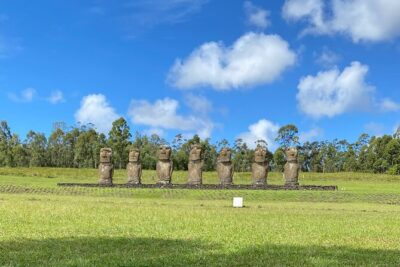
Browse the lists this tour appears in