
Reviewed · EASTER ISLAND TOURS
Easter Island: Full-Day Tour to Anakena
The moai are only half the story. This full-day outing gives you a broad look at Easter Island, from the 15 statues at Ahu Tongariki to the volcanic quarry at Rano Raraku and the soft sands of Anakena Beach. I like the way it joins major archaeological sites with time beside the sea, rather than keeping you among statues all day.
I also like that hotel pickup, a picnic lunch, and an English or Spanish-speaking guide are included. Guides such as Bruno and Vincent have earned especially warm praise for their enthusiasm, patience, and clear explanations. The main drawback is the added Rapa Nui National Park fee of $100, which makes the real cost $271 per person before you even consider the long eight-hour day.
In This Review
- Key details before you book
- Why this route works for a first day
- Ahu Akahanga and the island’s difficult past
- Ahu Tongariki and fifteen giants by the sea
- Rano Raraku, the quarry filled with unfinished moai
- The separate park fee and what the price really means
- Ahu Nau Nau and the return to the coast
- Anakena Beach, swimming, and a softer ending
- What the guide adds to the day
- Who should book this Easter Island tour?
- Final verdict: a strong full-island introduction
- FAQ
- How long does the Easter Island tour last?
- What is included in the tour price?
- Is the Rapa Nui National Park entrance fee included?
- Which sites are visited during the tour?
- Can I swim at Anakena Beach?
- Is hotel pickup available?
- Is the tour available in English?
- Can cruise ship passengers join this tour?
Key details before you book
- Fifteen moai at Ahu Tongariki: This is Easter Island’s largest restored ahu platform, with giant figures lined up near the ocean.
- Rano Raraku is the archaeological heart of the day: More than 390 moai are found around the volcanic quarry known as the Cantera de los Moais.
- Anakena adds genuine downtime: You can relax, swim, and enjoy one of the island’s best beaches after a morning of major historic sites.
- A picnic lunch is included: You eat at Rano Raraku, surrounded by the island’s open volcanic scenery.
- The tour lasts eight hours: Hotel pickup and return make the day simple, but the pace still requires comfort with a long outing.
- The park fee is separate: Budget an additional $100 for the Rapa Nui National Park entrance fee.
Why this route works for a first day
Easter Island is small enough to cross during a day, yet its important sites are spread around the coast and inland volcanic slopes. That makes a guided circuit useful. You avoid spending your limited time sorting out directions and get a basic story for each ahu, crater, and beach.
I like the balance here. The morning focuses on moai and ceremonial sites, while the afternoon shifts toward swimming, caves, and coastal views. You get the famous images, but you also see why the island is more than an open-air museum.
The itinerary begins and ends at your hotel in Hanga Roa. That matters on Easter Island, where a simple pickup can save you the effort of arranging separate transport. The tour is available in English and Spanish, and the guide is central to the experience. Bruno has been praised for his love of the island and his enthusiasm, while Vincent is noted for patient explanations of civil wars, tsunamis, earthquakes, and the difficult work involved in restoring the statues.
The tour is not designed for wheelchair users. It also does not accept cruise ship passengers, and the information specifically says cruise passengers must be staying in hotels to use the service. The tour operates only in good weather, so keep that condition in mind when planning a tightly timed island visit.
A few more Easter Island trips worth weighing up
- From Hanga Roa: Easter Island Sightseeing Full Day Tour
★ 4.5 · 189 reviews - Full day tour – DREAM
★ 5.0 · 86 reviews - Two days of Full Day Tour of Rapa Nui + Sunrise in Tongariki
★ 4.8 · 55 reviews
Ahu Akahanga and the island’s difficult past
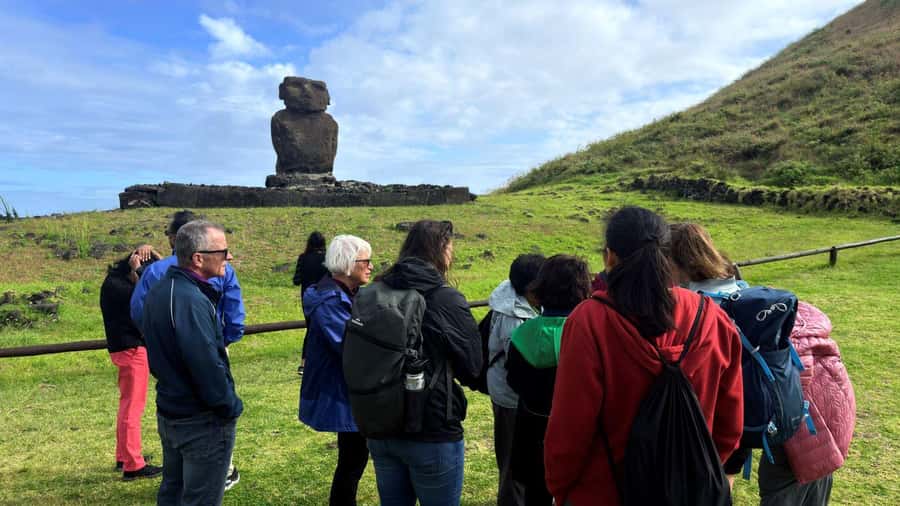
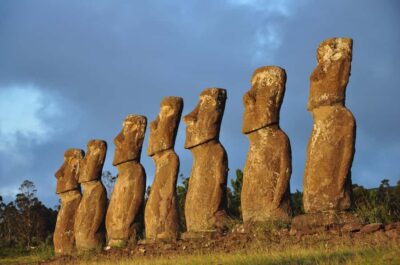
One of the first important stops is Ahu Akahanga. This ceremonial site helps you see a less polished side of Easter Island’s moai story. The statues and platforms are tied to the island’s conflicts and later damage, rather than presented as untouched monuments from a simple, peaceful past.
Your guide can put the site into a wider story of civil wars, earthquakes, and tsunamis. That background is valuable because the moai did not simply disappear from their platforms for one mysterious reason. Some were brought down during conflict, while natural forces and later neglect also affected the archaeological sites.
I would pay close attention here, even if the first stop feels less instantly dramatic than Tongariki. Akahanga gives the rest of the day more meaning. When you later see restored figures standing in a row, you understand that the scene reflects years of repair and care, not only ancient construction.
The exact amount of time at each place can vary, and that is one reason a guide’s judgment matters. One strong point of this tour is that the day is described as leisurely, with enough time at the different stops rather than a frantic dash from one photo point to the next.
Ahu Tongariki and fifteen giants by the sea
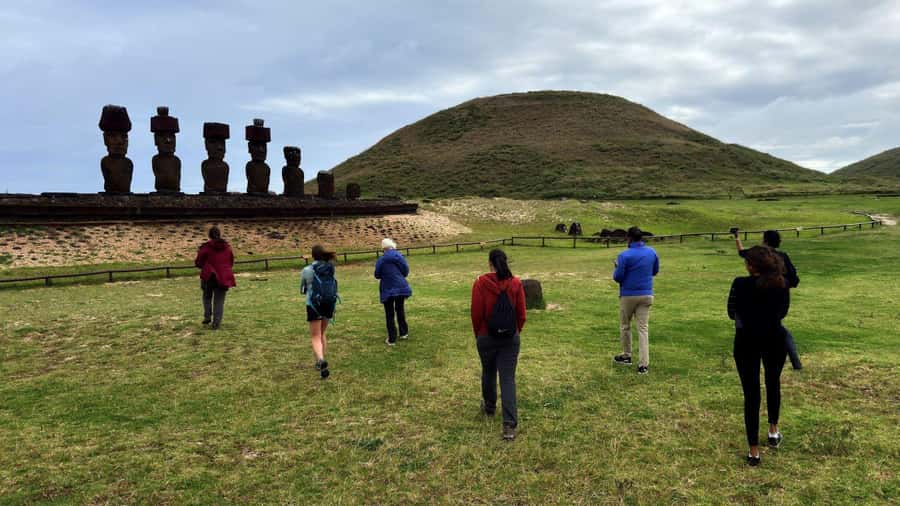
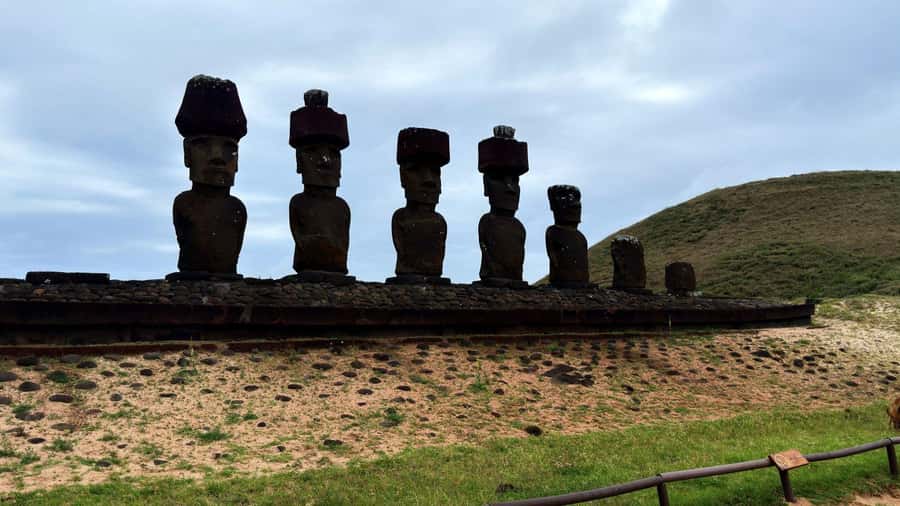
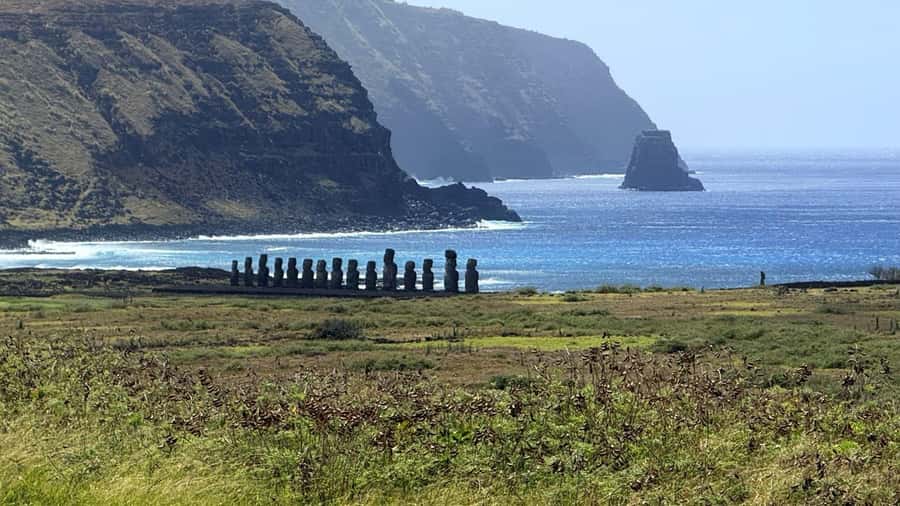
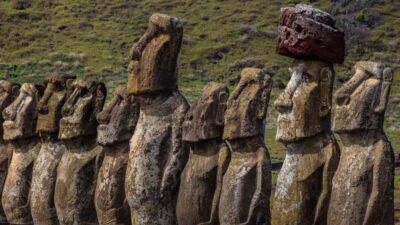
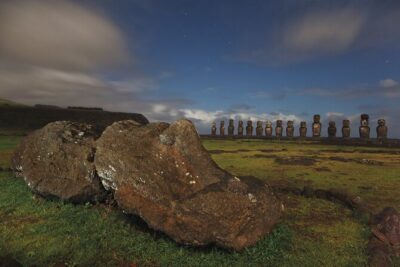
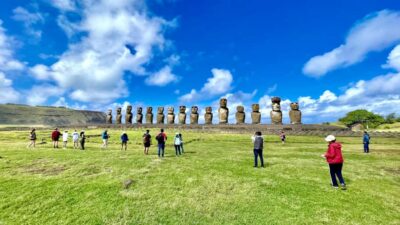
Ahu Tongariki is the visual centerpiece of the morning. Fifteen huge moai face inland from a broad ceremonial platform, with the ocean behind them. The setting gives you the classic Easter Island image, but the scale is better understood in person than in a photograph.
This is the largest group of moai near the ocean on the route. The statues are not identical, and their individual shapes and sizes reward a closer look. Your guide can explain how the site was damaged and restored, helping you see the platform as both an ancient achievement and a modern conservation project.
I recommend taking a moment to look beyond the statues. The relationship between the figures, the platform, the sea, and the volcanic hills is what makes Tongariki powerful. It is not simply a row of stone bodies. The placement creates a sense of ceremony and order across a very exposed piece of coast.
The setting can also make this stop feel open and raw. There is little shelter in the exposed coastal areas, so bring protection from the sun and be ready for changing weather. The provided packing advice specifically calls for a towel, which becomes useful later at Anakena.
Rano Raraku, the quarry filled with unfinished moai
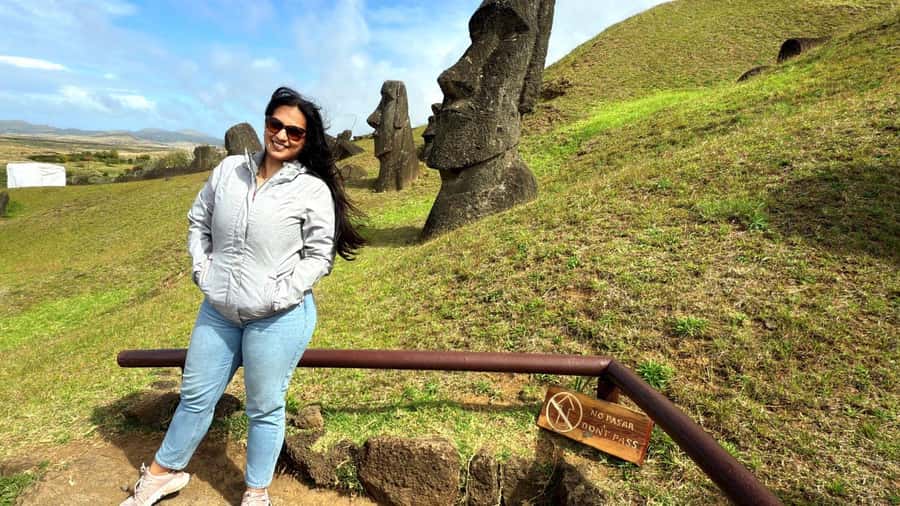
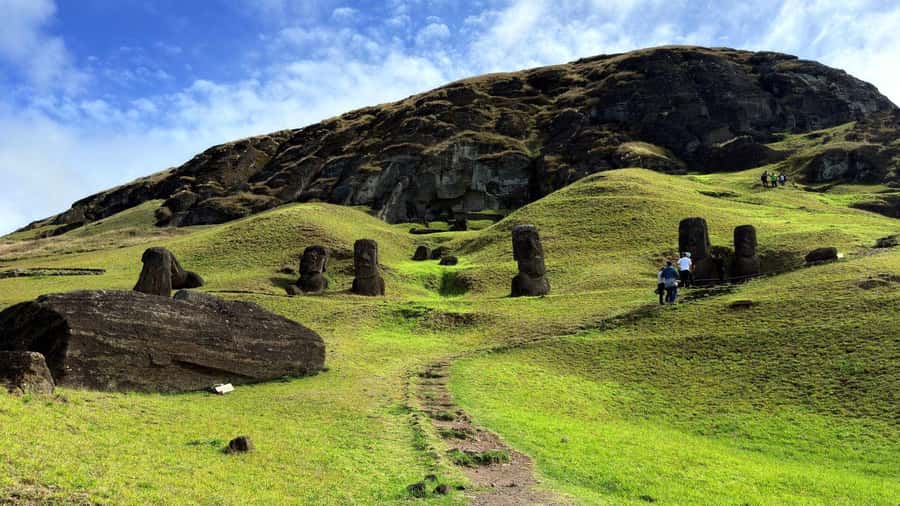
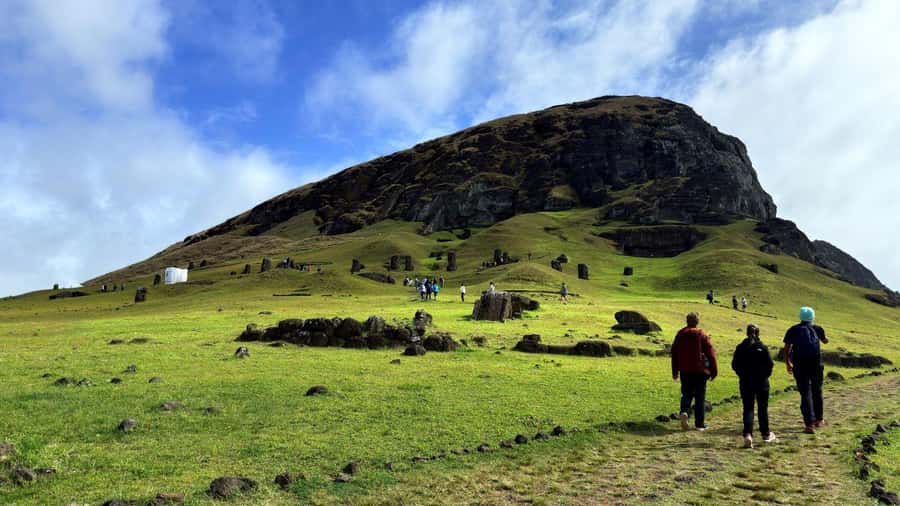
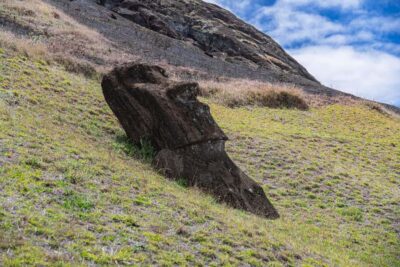
Rano Raraku is the most unusual stop on the day because the moai are still connected to the place where they were carved. More than 390 figures can be found in and around the volcanic quarry, known locally as the Cantera de los Moais.
Here, you see statues in different stages of completion. Some appear partly attached to the rock, while others are positioned around the slopes. That unfinished quality gives you a rare look at the production process rather than only the final ceremonial product.
This stop also changes the way you understand the moai. At Tongariki, the figures look like finished symbols placed in a formal line. At Rano Raraku, the quarry shows the work behind them. You can think about how the stone was shaped, separated from the volcanic wall, and prepared for movement to another site.
The number of statues can feel overwhelming, which is exactly why the guide’s commentary helps. A good explanation turns a field of stone figures into a sequence of choices and tasks. Vincent’s patient style, in particular, has been praised for explaining the island’s past and the restoration work that lets you see these places today.
The picnic lunch is served at Rano Raraku, so you do not lose more sightseeing time by stopping elsewhere for a meal. I like this arrangement because the lunch break fits naturally into the route. At the same time, do not expect a restaurant meal or a long dining break. The information only promises a picnic, so pack your expectations accordingly.
A completely different sort of day out of Easter Island:
- From Hanga Roa: Rapa Nui Culture Sightseeing Tour
★ 4.6 · 307 reviews - From Hanga Roa: Easter Island Highlights 2-Day Tour
★ 4.3 · 205 reviews - From Hanga Roa: Journey from Orongo to Ana Te Pahu
★ 4.3 · 75 reviews - Rapa Nui Stargazing
★ 4.5 · 62 reviews
The separate park fee and what the price really means
The advertised price is $171 per person, but the Rapa Nui National Park entrance fee is not included. That fee is listed as $100, bringing the practical total to $271 per person.
That is a high price for a day tour, so the value depends on what you need. If you want to visit the main moai sites, arrange transport, hear explanations in English or Spanish, receive hotel pickup and return, and have lunch handled for you, the package removes several planning tasks.
The price is harder to justify if you already have reliable transport and prefer to visit sites independently. You are paying for the guided route and the convenience, not only for admission. The guide is the key part of the value. Bruno’s energy and Vincent’s patience suggest that the quality of the day can depend heavily on who leads your group.
The separate entrance fee should be part of your first calculation, not an afterthought. I would compare the full $271 cost with any other transport and guide arrangements before booking. Free cancellation up to 24 hours before departure and the option to reserve now and pay later provide useful flexibility, especially because the service depends on good weather.
Ahu Nau Nau and the return to the coast
After Rano Raraku and lunch, the route continues to other moai sites, including Ahu Nau Nau. This keeps the archaeological focus going, but it also gives you a useful point of comparison.
The statues at different ahu do not all create the same impression. Some groups feel formal and monumental, while others sit in a more intimate setting. Ahu Nau Nau helps you see that Easter Island’s ceremonial sites were not built from one standard plan.
Your guide can also help separate what is known from what remains uncertain. The island’s past includes strong archaeological evidence, oral tradition, damage from natural events, and later restoration. You will get more from these stops if you listen for those layers instead of expecting one neat explanation for every statue.
The day’s length is helpful here. You are not limited to one famous platform and a quick beach photo. You see several locations, then have time to slow down at Anakena. Some people may find the repeated moai stops less exciting by late afternoon, but the changing settings keep the route from feeling entirely repetitive.
Anakena Beach, swimming, and a softer ending
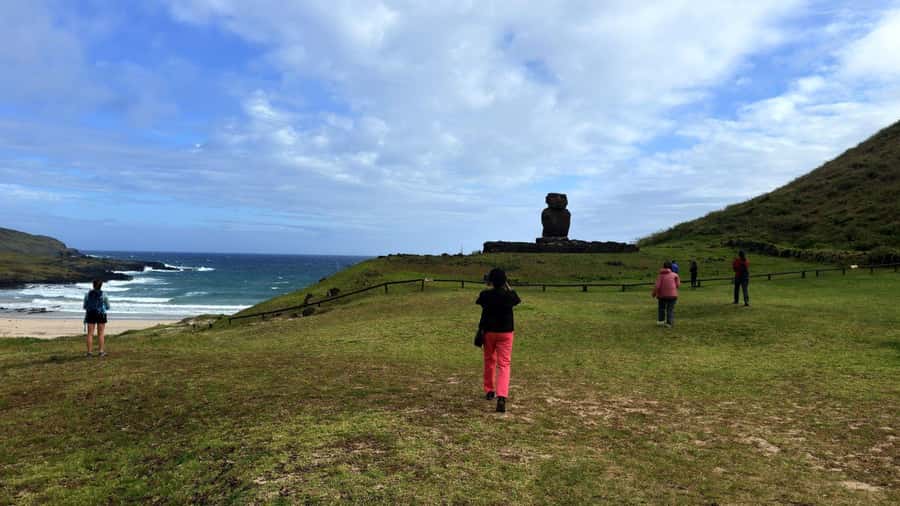
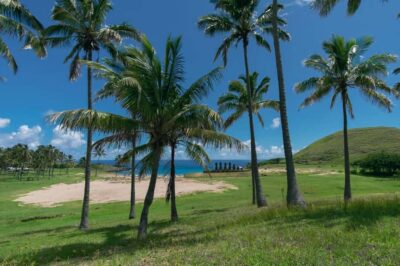
Anakena is the reward at the end of the main archaeological circuit. The white-sand beach is considered one of the island’s best swimming beaches, and local tradition identifies it as the landing place of Hotu Matu’a, the Polynesian chief associated with the island’s first settlement.
The beach gives you a different view of Easter Island. After volcanic rock, ceremonial platforms, and unfinished statues, you get palms, sand, and water. I like that the tour does not treat Anakena as a quick photo stop. You have a chance to relax and enjoy the natural setting.
Bring the requested towel if you want to swim or sit comfortably. The tour information does not promise a particular amount of beach time, so your break may depend on the day’s schedule and weather. Still, this is the point where the itinerary feels most relaxed.
Nearby, the route includes Ahu Nau Nau and access to two small caves within a gorge. You also stop near the beaches of Poike and Ovahe, where you can pause and take in the coast. These additional sites help the final part of the day feel like an island tour rather than a single beach visit.
Ovahe and Poike are mentioned as places to stop and relax, but you should not assume every coastal stop offers the same swimming conditions as Anakena. Anakena is the site specifically identified as one of the best beaches for swimming. The caves and other beaches add scenery and variety, while Anakena is the clearest choice for getting in the water.
What the guide adds to the day
A guide can make or break an archaeology-heavy route. The strongest feedback for this experience centers on the guides, not on flashy extras. Bruno is praised for being full of interesting information and for clearly enjoying both the island and his work.
Vincent receives similar praise for patience and for explaining painful parts of the island’s past, including civil wars, tsunamis, earthquakes, and the restoration of fallen statues. That kind of context keeps the day from becoming a parade of names and numbers.
The language choice is English or Spanish. If you need detailed interpretation, confirm your preferred language when booking. The supplied information does not give a group size, so I would not assume a private vehicle or a small party. The experience is guided, but the exact feel of the day can change with the size of the group and the assigned guide.
The overall rating is 4.7 from 27 reviews, which fits the main strengths: good coverage, pleasant guides, and a pace that is active without feeling rushed. The rating does not remove the practical concerns about price, weather, terrain, or the separate park charge.
Who should book this Easter Island tour?
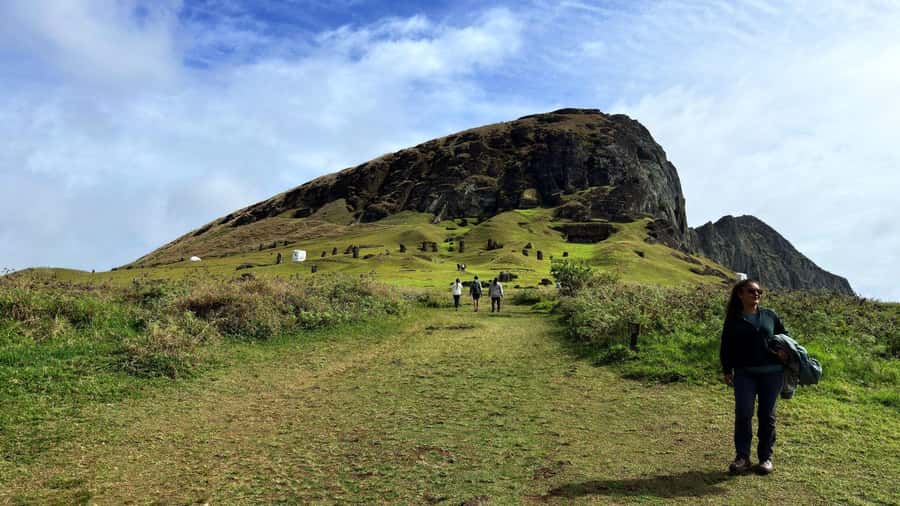
I would choose this tour if you have limited time on Easter Island and want the main sights arranged in one day. It is especially useful if you want historical explanations, hotel transport, and a planned lunch rather than handling each part yourself.
It also suits you if you want more than statues. The combination of volcanic crater, quarry, ceremonial platforms, caves, coast, and beach creates a fuller picture of the island.
You may want another option if you are traveling on a strict budget, need wheelchair access, or are arriving by cruise ship without a hotel stay. The $100 park fee is substantial, and an eight-hour route may feel long if you prefer very short visits.
One detail needs checking before you pay: the highlights mention Rano Kau, described as Easter Island’s largest volcanic crater, while the detailed route centers on Rano Raraku and its moai quarry. Rano Kau and Rano Raraku are different sites. Ask the operator to confirm whether Rano Kau is included, or treat Rano Raraku as the volcanic crater actually guaranteed by the itinerary.
Final verdict: a strong full-island introduction
I would recommend this tour to a first-time visitor who wants an efficient, guided introduction to Easter Island. The route covers Ahu Akahanga, Ahu Tongariki, Rano Raraku, Ahu Nau Nau, Anakena, Poike, Ovahe, and the nearby caves, giving you both major monuments and time near the sea.
The best reason to book is the guide-led context. Bruno and Vincent are praised for making the history understandable and personal, especially the difficult story of conflict, natural damage, and restoration. The biggest reason to hesitate is cost: with the national park fee, you are looking at $271 per person.
If that total fits your budget, this is a practical way to see much of Easter Island in one day without sacrificing the beach. Pack a towel, prepare for a full outing, and confirm the Rano Kau detail before booking.
FAQ
How long does the Easter Island tour last?
The tour lasts eight hours, including hotel pickup and drop-off in Hanga Roa.
What is included in the tour price?
The price includes pickup and return to Easter Island hotels, a picnic lunch at Rano Raraku, and a guided tour in English or Spanish.
Is the Rapa Nui National Park entrance fee included?
No. The entrance fee is listed separately at $100.
Which sites are visited during the tour?
The route includes Ahu Akahanga, Ahu Tongariki, Rano Raraku, Ahu Nau Nau, Anakena Beach, two small caves within a gorge, and the beaches of Poike and Ovahe.
Can I swim at Anakena Beach?
Yes. Anakena is identified as one of Easter Island’s best swimming beaches. You should bring a towel.
Is hotel pickup available?
Yes. Pickup and drop-off are included for hotels on Easter Island.
Is the tour available in English?
Yes. The tour has a live guide in English or Spanish.
Can cruise ship passengers join this tour?
No. The service is not suitable for cruise ship guests. The information specifies that cruise passengers must be staying in hotels to use the service.
Just added around Easter Island
- Easter Island: 2 Full Days Private Tour★ 3.9 · 3 reviews
- Easter Island: Full Day Ancestral Caves and Orongo Village★ 5.0 · 3 reviews
- Easter Island: Customized recreational-tourist diving★ 5.0 · 3 reviews
- Ancestral fishing: Fishing with an experienced Rapa Nui★ 4.4 · 3 reviews
- Birdman Cult and Caves★ 4.0 · 5 reviews
- Easter Island: Moai Full Day Private Tour★ 4.8 · 5 reviews
- Rapa Nui: Polynesian Massage★ 4.8 · 5 reviews
- Rapa Nui: 3 Excursions with Hotel Transfers★ 4.3 · 6 reviews
Easter Island Tours, compared.
Two days of Full Day Tour of Rapa Nui + Sunrise in Tongariki
Read our review →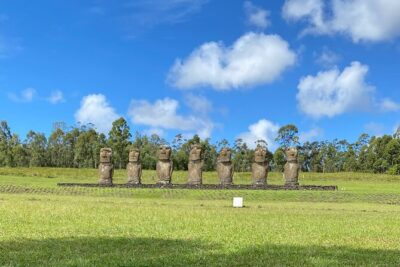
Browse the lists this tour appears in