
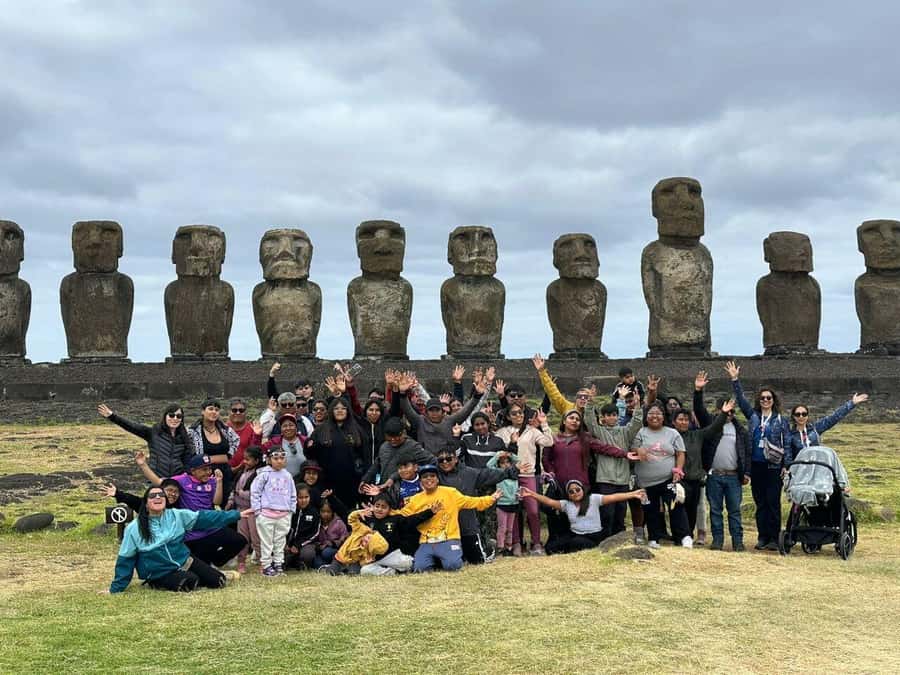
Reviewed · EASTER ISLAND TOURS
Rapa Nui Dreams: Experiencie Pack 3 Days
Moai, sunrise, and island traditions await. Rapa Nui Dreams packs Easter Island’s major archaeological sites, a dawn visit to Ahu Tongariki, local food, dance, and certified guiding into three busy days. I especially like the chance to see both famous moai platforms and less familiar caves, and the ancestral curanto gives the visit a human, living connection to Rapa Nui culture.
The small group, capped at 15 people, is another strong point. Transfers are included for accommodations in central Hanga Roa, and guides such as Esteban have earned praise for clear English, good humor, and strong knowledge of the island. The main caution is timing: pickup can take up to an hour, and one reported first-day delay lasted two hours without an explanation.
In This Review
- Key points to know before booking
- What the three days actually cover
- Day one: moai, quarry stone, and Anakena
- Day two: Rano Kau, Orongo, and the island’s caves
- Day three: the Tongariki sunrise
- Curanto, prayers, and Rapa Nui dance
- Guides, transport, and group size
- Is $375 a fair price?
- Who should choose this experience?
- Should you book Rapa Nui Dreams?
- FAQ
- How long does the Rapa Nui Dreams experience last?
- What sites are included on the first full day?
- What sites are included on the second full day?
- Is the Rapa Nui National Park entrance fee included?
- Are meals included?
- Is hotel pickup available?
- What languages are available?
- Can I cancel the booking?
Key points to know before booking
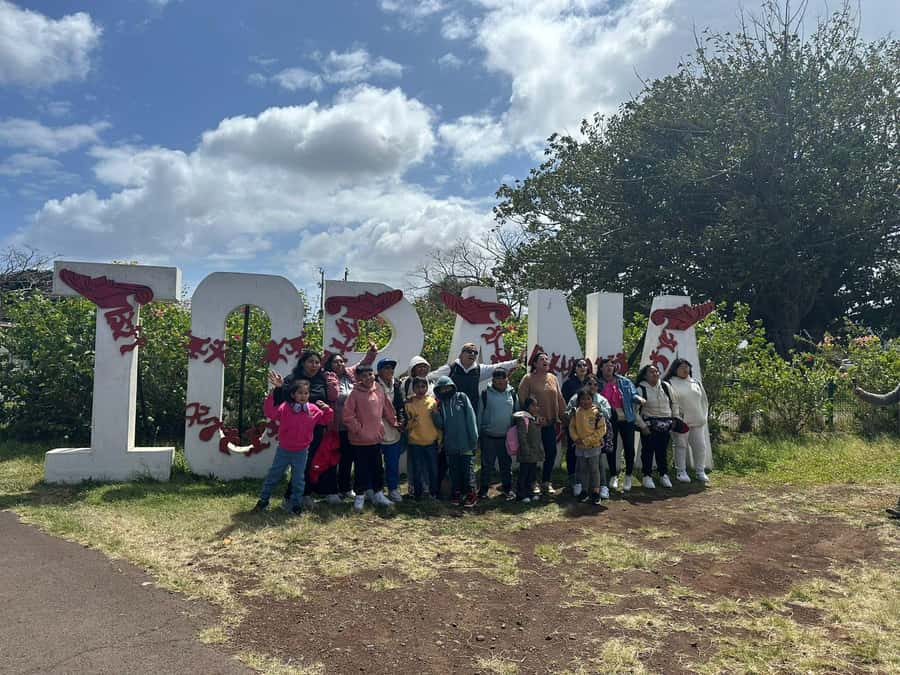
- Ahu Tongariki at sunrise: See 15 moai lined up against the morning sky, weather permitting.
- Two full touring days: The route covers the major quarry, ceremonial platforms, volcanoes, caves, and beaches.
- A real cultural evening: The ancestral curanto includes local cooking, prayers, food, and Rapa Nui dance.
- Park entry costs extra: Allow about 80,000 Chilean pesos for Rapa Nui National Park admission.
- Lunch is not included: Bring money or food for midday meals.
- Small-group format: The group limit is 15, with English and Spanish guiding available.
What the three days actually cover
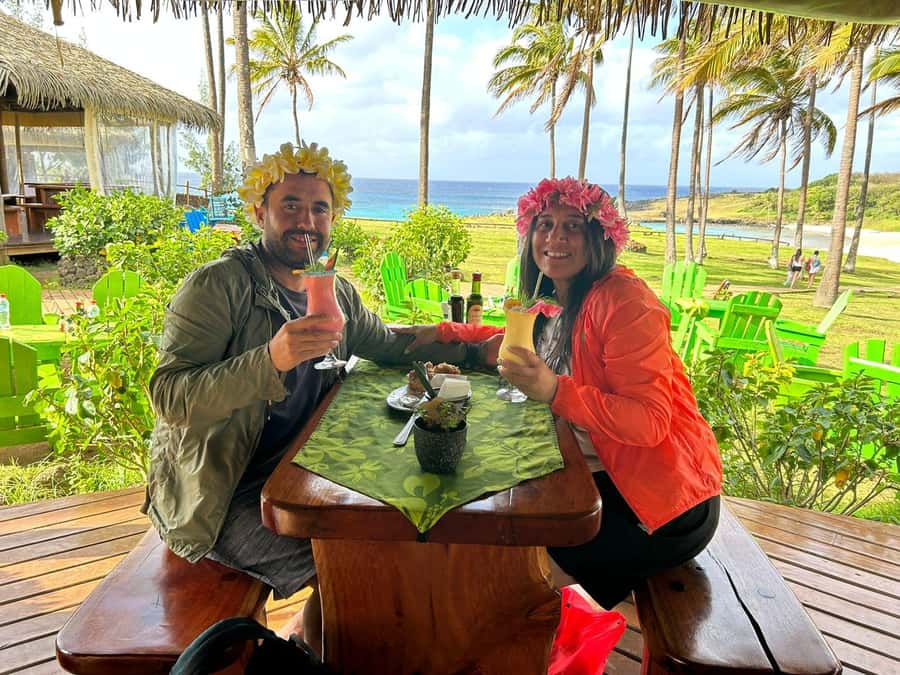
This is best understood as two full touring days followed by an early morning outing. The first day, called the Dreams Experience, follows the island’s southeastern and northern highlights. The second, called the Explore Experience, moves toward the volcanic crater of Rano Kau, the ceremonial village of Orongo, western platforms, and several caves.
The third morning begins before sunrise at Ahu Tongariki. The tour finishes around 9 a.m., giving you much of the day free. That is a clever use of time, although you will need to be comfortable with an early start after two active days.
Transportation is provided for the activities, but only if your accommodation is in central Hanga Roa. Pickup details arrive by WhatsApp, so give the operator a working phone number or email. I would not assume an exact pickup time until it is confirmed. The stated pickup window may stretch to about an hour, and transport delays have caused frustration for at least one participant.
A few more Easter Island trips worth weighing up
- San Pedro de Atacama: 3-Day Activity Combo with 4 Tours
★ 4.6 · 247 reviews - Unique 3-Day Tour in San Pedro de Atacama
★ 4.5 · 43 reviews - 5 Fantastic Tours in the Atacama Desert in 3 Days
★ 4.4 · 17 reviews
Day one: moai, quarry stone, and Anakena
The first full day brings you to some of Rapa Nui’s most important sites. At Vaihu, you begin to see how moai platforms, fallen statues, and the island’s open scenery fit together. The stop helps set up the central question of Easter Island: how did a society create, move, and honor such enormous stone figures?
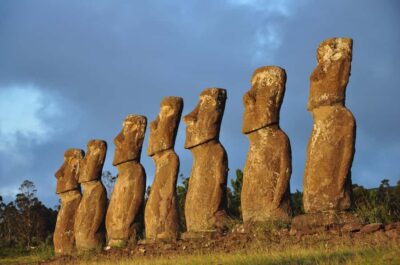
Akahanga offers another view of fallen moai and ceremonial remains. Do not expect every statue to be standing upright. Much of the power here comes from seeing the remains in place, rather than viewing isolated monuments arranged for display.
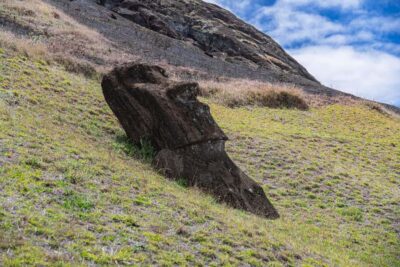
The centerpiece is Rano Raraku, the volcanic quarry where many moai were carved. This is one of the stops where a guide makes a major difference. The slopes contain unfinished figures, and the site gives you a better sense of the work behind the familiar images of Easter Island.
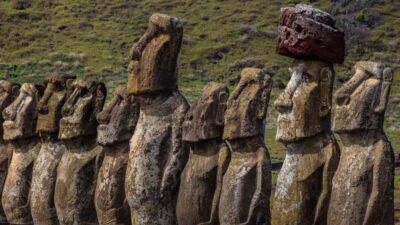
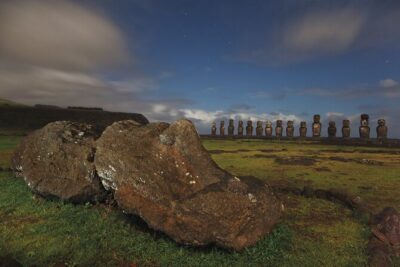
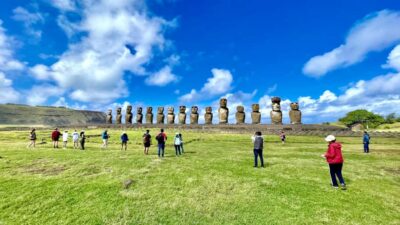
You then reach Ahu Tongariki, the island’s most famous line of statues. Fifteen moai face inland from their broad stone platform, backed by the rounded volcanic terrain. It is a grand sight, but the scale can be hard to grasp in photographs. You will want time to look closely at the variation between the statues, the platform construction, and the way the figures relate to the surrounding land.
Te Pito Kura adds another important stop, connected with a large fallen moai and the famous stone known as the navel of the world. The site is smaller than Tongariki, yet it helps show how many different ceremonial places are spread across the island.
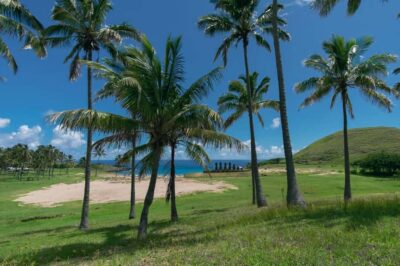
The route ends at Ahu Nau Nau and Anakena. Ahu Nau Nau is set near the island’s best-known beach, where restored moai stand close to sand and palm trees. Anakena is a welcome change after a day of archaeological sites. You can see the platform and beach together, though the schedule may feel tight.
One useful warning comes from the timing. A visit of about half an hour at Anakena may not feel sufficient if you want to inspect the moai, walk on the beach, and take photographs. If the guide gives you a choice, decide first whether the platform or the shore matters more to you.
Lunch is not included on this day. Since the route is long, ask in advance how much time is allowed for eating and plan accordingly. The tour price covers transport and guiding, but you should budget separately for meals.
Day two: Rano Kau, Orongo, and the island’s caves
The second full day shifts from the moai quarry to volcanic scenery and ceremonial sites. Rano Kau is a large volcanic crater with a dramatic interior. Its slopes and crater lake make it one of the island’s most memorable natural settings.
Nearby Orongo is tied to the birdman ceremony, one of Rapa Nui’s most distinctive traditions. The village sits near the crater’s edge, and the location helps you understand why the site mattered. This is a place to listen carefully to the guide, since the physical remains alone do not explain the ceremonies or the social competition connected with them.
Vinapu presents a different architectural style, with carefully fitted stonework that has often drawn comparisons to structures elsewhere in the Pacific and South America. The point is not to force a mystery onto the site. Instead, look at the masonry closely and ask your guide what is accepted, what is debated, and what remains uncertain.
Ahu Akivi is unusual because its seven moai face toward the sea. It is also inland, which makes it a useful contrast with the coastal platforms from the first day. Seeing several kinds of ahu, or ceremonial platforms, helps prevent the island from becoming one long sequence of similar statues.
The day also includes Ana Vai Teka, Ana Tapa Iri, Ana Ohoka, and Ana Te Pahu. These cave sites are part of what makes this route more than a standard moai circuit. They add a closer, more physical side of Rapa Nui, with narrow spaces and volcanic rock rather than broad platforms and open views.
Cave access can depend on conditions, trail limits, and the guide’s judgment. Wear comfortable clothing and shoes suitable for uneven ground. The operator specifically asks you to respect the limits of the trails, and that matters here. Do not wander beyond marked or permitted areas for a better photograph.
One reported problem involved the caves not being included as expected on a particular departure. If these sites are a main reason you choose the package, confirm the day’s route with the guide when you are picked up. That simple question can prevent disappointment.
Day three: the Tongariki sunrise
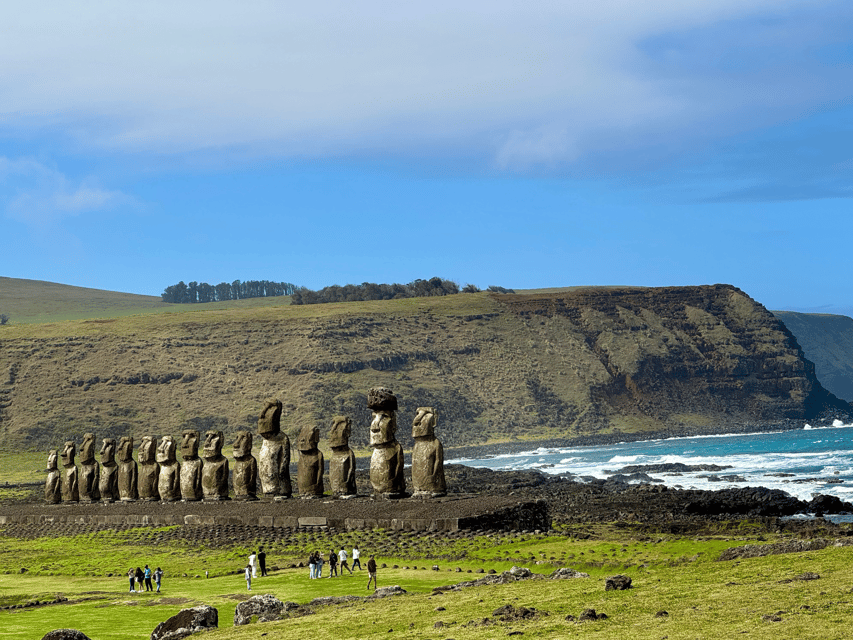
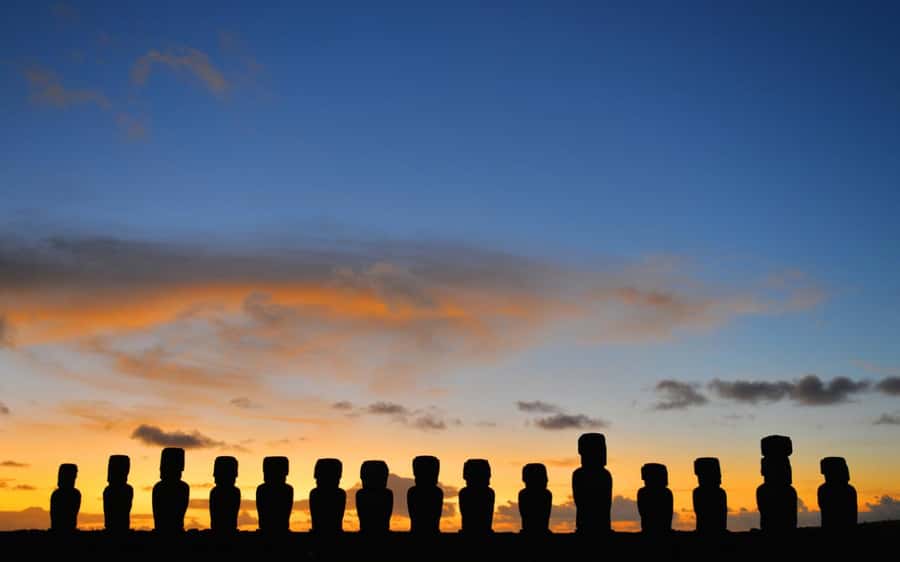
The sunrise route is the emotional high point of the program. At dawn, you return to Ahu Tongariki to see the sun rise behind the 15 moai. The setting combines one of Rapa Nui’s strongest archaeological views with changing morning light.
Weather can affect this outing. The route is subject to conditions, and Rapa Nui has a rainy subtropical climate. Bring rain gear even if the forecast looks promising, along with sunscreen and a camera.
The early finish is useful. The tour ends around 9 a.m., leaving you a free day after the sunrise visit. You could use that time to rest, explore Hanga Roa independently, or follow up on a place that received less time during the organized route.
The main cost is energy. You will already have completed two substantial touring days, and the dawn departure means sleep may be limited. Still, if you have only a few days on Easter Island, this is a sensible way to see Tongariki in a different mood without giving up the rest of the day.
A completely different sort of day out of Easter Island:
- From Hanga Roa: Rapa Nui Culture Sightseeing Tour
★ 4.6 · 307 reviews - From Hanga Roa: Easter Island Highlights 2-Day Tour
★ 4.3 · 205 reviews - From Hanga Roa: Easter Island Sightseeing Full Day Tour
★ 4.5 · 189 reviews - Full day tour – DREAM
★ 5.0 · 86 reviews
Curanto, prayers, and Rapa Nui dance
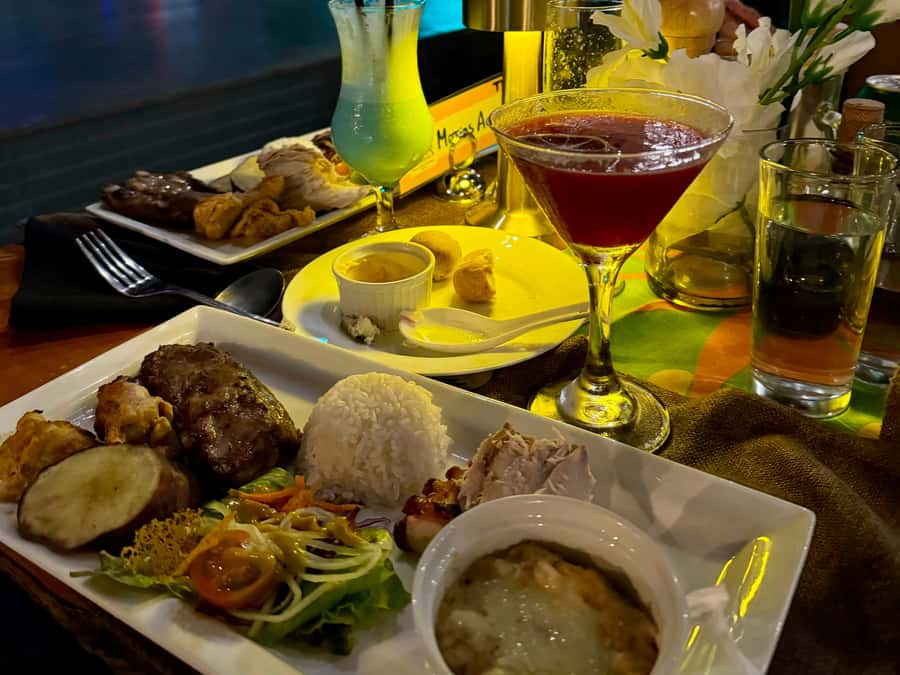
The ancestral curanto is more than a dinner stop. It introduces traditional cooking methods and local products, followed by a buffet meal, ceremonial prayers, and Rapa Nui dance.
The meal includes choices such as chicken and ribs. Drinks are not included, so carry extra money if you want beverages. Lunch is also separate, making it important to treat the $375 price as the tour package rather than a full food-inclusive holiday.
This evening adds something the archaeological stops cannot. Moai platforms tell you about the island’s past, but the curanto connects your visit with living customs and local performance. The experience can vary with festival schedules. During the Tapati Festival, one scheduled dinner and show was canceled, but an alternative activity was offered instead.
That kind of change is worth noting. You should not assume every cultural evening will run in exactly the same form. Ask what is scheduled during your dates, especially if the curanto and dance are the main reasons you are booking.
Guides, transport, and group size

Guiding is one of the strongest parts of the package when staffing and language arrangements work as planned. Esteban received particular praise for fluent English and for explaining the moai in a way that made the statues more than a familiar tourist symbol. Other guides were described as prompt, entertaining, and attentive.
The experience is offered in English and Spanish with a local certified guide. A good guide matters here because many sites consist of stone foundations, fallen figures, crater views, or cave entrances. Without context, you can easily see the island as a set of scenic stops. With a strong guide, each place has a clearer purpose.
The transport system is practical but not perfectly predictable. Pickup can take nearly an hour as the vehicle collects people, and you should wait at your accommodation entrance about 10 minutes before the arranged time. Communication is handled through WhatsApp, with assistance available from a travel agent around the clock.
There was also a serious exception: one first-day pickup arrived two hours late without clear communication, and the replacement guide did not speak English. That does not appear to be the usual experience, but it is a fair reason to keep your first day flexible and to contact the operator if the vehicle has not arrived.
Is $375 a fair price?
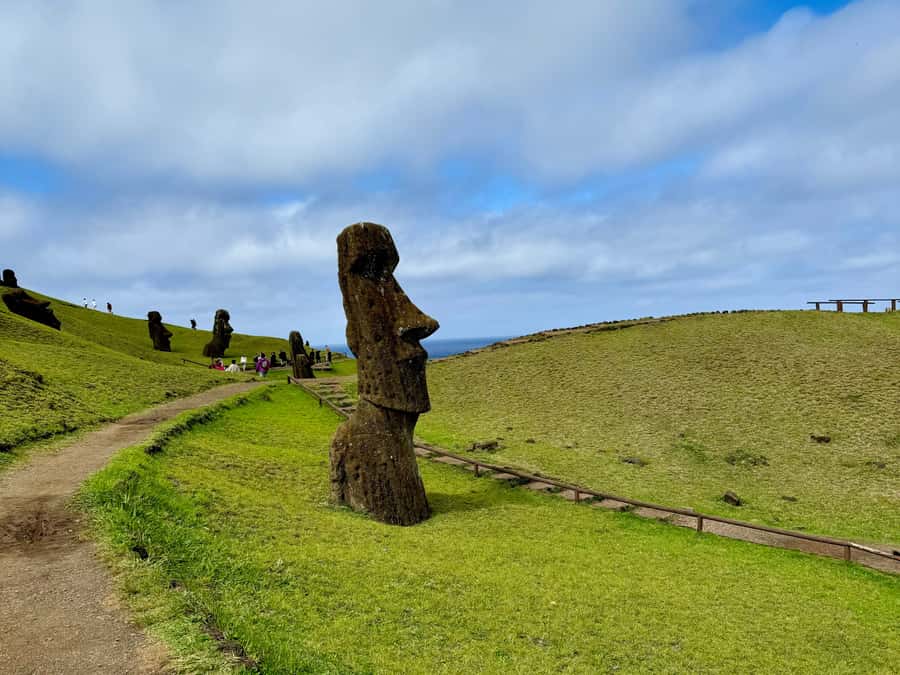
At $375 per person, the package is not cheap, but the value depends on how much you want arranged for you. It includes transport for three touring periods, a local certified guide, two full days of sightseeing, the Tongariki sunrise, and a cultural meal with dance and prayers.
You still pay separately for the Rapa Nui National Park entrance, listed at about 80,000 Chilean pesos, and for lunch. Those additions can make the final cost noticeably higher. The park fee is not a minor detail, so include it in your budget before comparing this with a two-day alternative.
I see the strongest value in the coverage. You do not have to arrange separate transport to Rano Raraku, Tongariki, Rano Kau, Orongo, Akahanga, Anakena, Ahu Akivi, and the caves. You also gain the sunrise visit and cultural evening, two elements that may cost extra when booked separately.
The weaker value comes if the caves are skipped, the cultural evening is canceled without a satisfying replacement, or the guide cannot provide your chosen language. If your priority is only the main moai sites, a shorter tour may be cheaper and enough. If you want the island’s major archaeological areas in one organized package, the price is easier to justify.
Who should choose this experience?
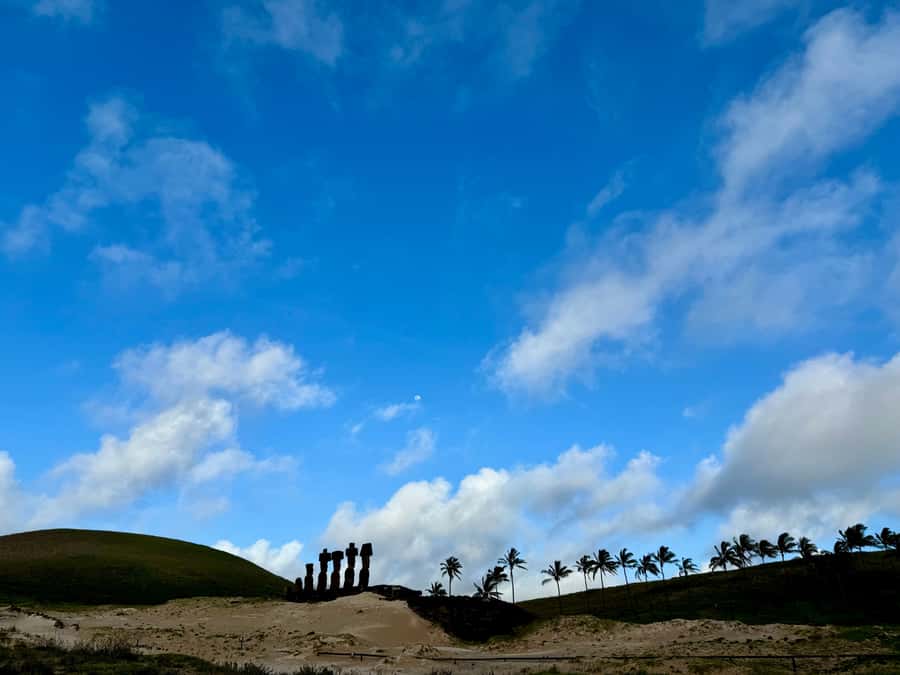
I would choose this for a first visit to Rapa Nui when you have only three days and want the major sites arranged in a logical plan. It suits people who prefer a guide, do not want to negotiate transport, and care about adding food, dance, and ceremony to the stone monuments.
It is also a good fit for English or Spanish speakers who value a small group rather than a large coach. The limit of 15 should make the experience more personal, though the actual feel will depend on the vehicle and daily group.
You should think twice if you need a slow pace. The itinerary covers a great deal, and Anakena may receive less time than you want. It is not suitable for people with mobility impairments or altitude sickness, according to the stated restrictions.
Bring sunscreen, rain gear, a camera, and comfortable clothes. Do not feed animals or leave litter, and follow trail limits. Rapa Nui is not a place where a shortcut or careless footprint is harmless.
Should you book Rapa Nui Dreams?
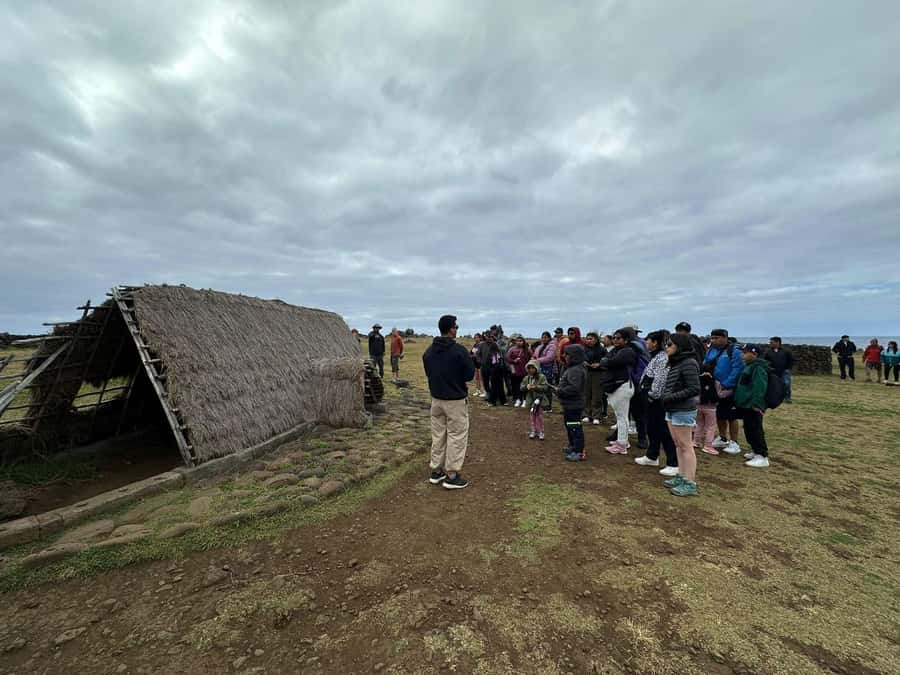
Book it if you want broad coverage, included transport, strong guiding, and a cultural evening in a three-day plan. The Tongariki sunrise, Rano Raraku quarry, Orongo, Ahu Akivi, Anakena, and the cave route give you a well-rounded introduction to the island.
I would confirm three things before paying: the exact pickup arrangements, the guide language for each day, and whether all four caves are scheduled. Also ask how the curanto evening is handled during festival periods.
For a short stay, this is a practical and often well-run choice. For a slower, lower-cost trip, you might prefer a two-day archaeological tour and arrange a Polynesian show separately. The decision comes down to convenience versus control. At its best, Rapa Nui Dreams saves you planning time while giving you a meaningful look at both the monuments and the people who keep the island’s traditions alive.
FAQ
How long does the Rapa Nui Dreams experience last?
The program lasts three days. The Tongariki sunrise outing finishes around 9 a.m. on the third day.
What sites are included on the first full day?
The first day includes Vaihu, Akahanga, Rano Raraku, Ahu Tongariki, Te Pito Kura, Ahu Nau Nau, and Anakena.
What sites are included on the second full day?
The second day includes Rano Kau, Orongo, Vinapu, Ahu Akivi, Ana Vai Teka, Ana Tapa Iri, Ana Ohoka, and Ana Te Pahu.
Is the Rapa Nui National Park entrance fee included?
No. Park entry is separate and costs approximately 80,000 Chilean pesos.
Are meals included?
Ancestral curanto dinner is included, with a buffet featuring foods such as chicken and ribs. Drinks and lunch are not included.
Is hotel pickup available?
Transportation is included for activities if your accommodation is in the central sector of Hanga Roa. Pickup information is sent by WhatsApp, and you should wait at the entrance 10 minutes early.
What languages are available?
The tour offers live guiding in English and Spanish.
Can I cancel the booking?
You can cancel up to 24 hours in advance for a full refund. The reserve-now, pay-later option lets you book without paying immediately.
Just added around Easter Island
- Easter Island: 2 Full Days Private Tour★ 3.9 · 3 reviews
- Easter Island: Full Day Ancestral Caves and Orongo Village★ 5.0 · 3 reviews
- Easter Island: Customized recreational-tourist diving★ 5.0 · 3 reviews
- Ancestral fishing: Fishing with an experienced Rapa Nui★ 4.4 · 3 reviews
- Birdman Cult and Caves★ 4.0 · 5 reviews
- Easter Island: Moai Full Day Private Tour★ 4.8 · 5 reviews
- Rapa Nui: Polynesian Massage★ 4.8 · 5 reviews
- Rapa Nui: 3 Excursions with Hotel Transfers★ 4.3 · 6 reviews
Easter Island Tours, compared.
Two days of Full Day Tour of Rapa Nui + Sunrise in Tongariki
Read our review →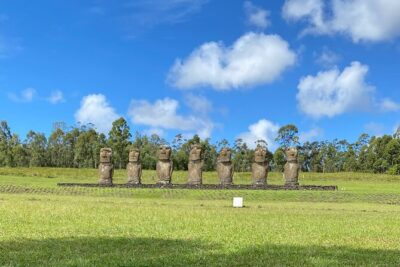
Browse the lists this tour appears in