
Reviewed · EASTER ISLAND TOURS
Easter Island: The Moai Trail Private Archeological Tour
The moai are only half the story. This private six-hour tour links Easter Island’s biggest archaeological sights with the quarry where hundreds of statues were carved. I like the hotel pickup and private vehicle, which make a full day of remote sites much easier, and I like the chance to see Ahu Tongariki, Rano Raraku, and Anakena in one outing. The main caution is timing: the listed stop durations add up to more than six hours, so confirm the actual schedule before booking.
I also like the strong guide reports. Guides including Sol, Hugo, Miguel, Yoyo, and Isa have been praised for clear storytelling, humor, punctuality, and thoughtful discussion of Rapa Nui culture. You will need comfortable shoes, warm clothing, and an extra $80 for the park entrance fee, which makes the total cost about $280 per person before food and drinks.
In This Review
- Five things to know before you go
- Why this private Moai Trail is worth considering
- Starting in Hanga Roa and reaching Ahu Akahanga
- Rano Raraku, where the moai were carved
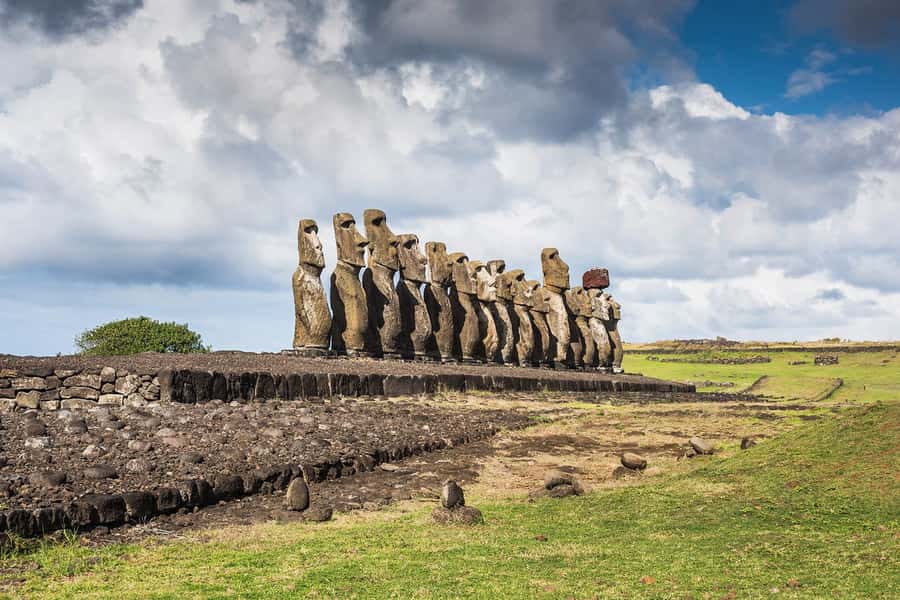
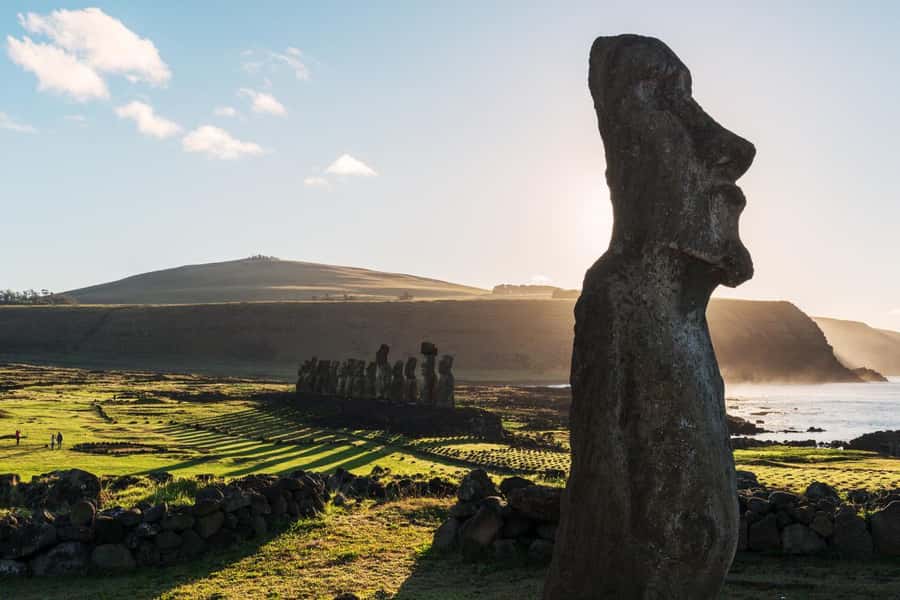
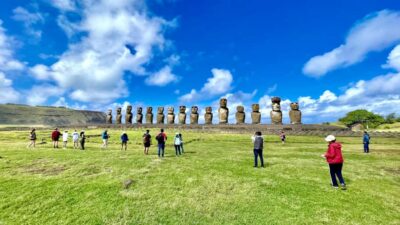
- Ahu Tongariki and its line of fifteen moai
- Te Pito Kura and the navel of the world
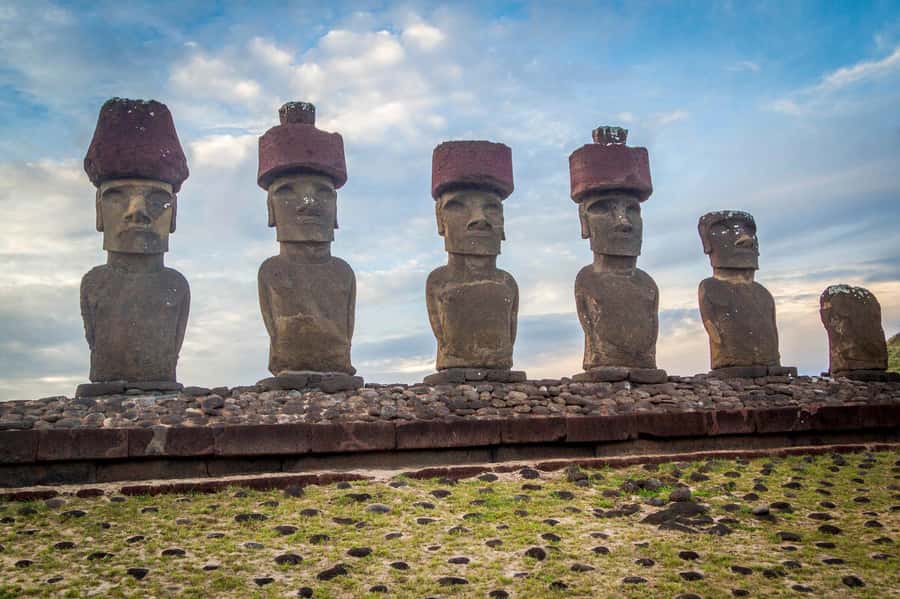
- Anakena Beach and Ahu Nau Nau
- What the guides add to the day
- Price, entrance fee, and what you receive
- Who should book this tour
- Final verdict: a strong choice with one timing question
- FAQ
- Where does the tour begin and end?
- How long does the tour last?
- What sites are included?
- Is the entrance fee included?
- What languages are available?
- Can cruise ship passengers or wheelchair users join?
Five things to know before you go
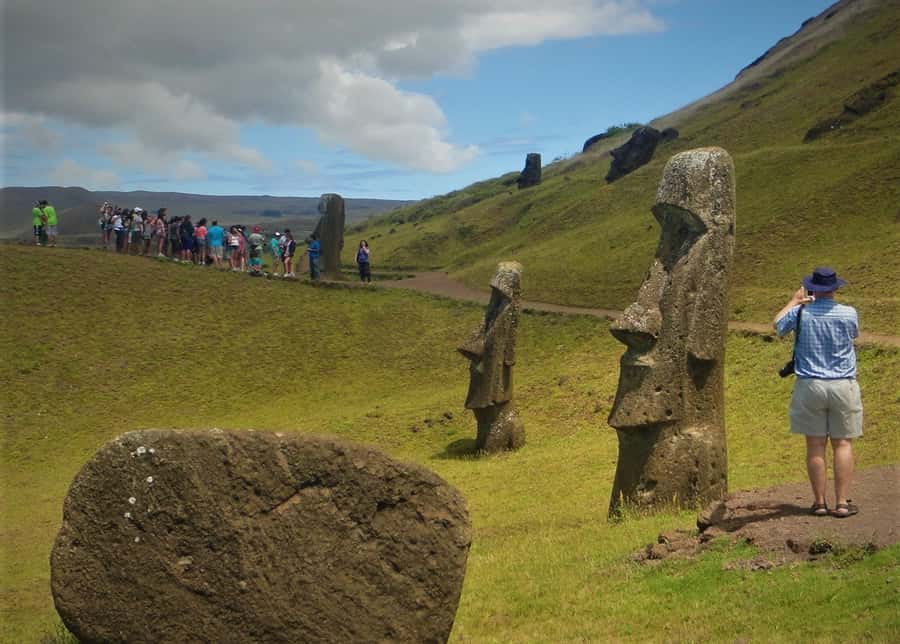
- Rano Raraku is the heart of the tour: You can see about 400 moai in different stages of carving at the volcanic quarry.
- Ahu Tongariki delivers the big visual moment: Fifteen restored moai line the island’s largest ceremonial platform.
- This is a genuinely private outing: You ride in a private vehicle with a professional English- or Spanish-speaking guide.
- Anakena adds a welcome change of pace: The white sand beach and Ahu Nau Nau bring together archaeology, legend, and the sea.
- The cost is higher than the headline price: Add the $80 entrance fee, and food and drinks are also on your own.
- The walking needs attention: The tour is not suitable for wheelchair users or people with mobility impairments.
Why this private Moai Trail is worth considering
Easter Island can feel simple on a map and demanding on the ground. The major sites are spread around the coast and interior, and their meaning is easier to grasp when you see them in sequence. This route moves from fallen statues and ancient houses to the main quarry, then to the grandest restored platform and a legendary beach.
I like that the tour does not treat the moai as a collection of giant stone faces. At Ahu Akahanga, you hear about the tribal conflicts that led to many statues being toppled. At Rano Raraku, you see how the statues were made. At Tongariki, you see the ceremonial scale of the finished work. That progression gives the day a useful shape.
A private tour also gives you a better chance to ask questions. One guide, Hugo, was praised for discussing not just dates and legends, but also outside cultural interpretations, present-day life, and the connection between Rapa Nui and Japan. That sort of conversation can turn a sightseeing stop into a thoughtful look at how a living culture relates to its past.
A few more Easter Island trips worth weighing up
- From Hanga Roa: Rapa Nui Culture Sightseeing Tour
★ 4.6 · 307 reviews - From Hanga Roa: Easter Island Highlights 2-Day Tour
★ 4.3 · 205 reviews - From Hanga Roa: Easter Island Sightseeing Full Day Tour
★ 4.5 · 189 reviews
Starting in Hanga Roa and reaching Ahu Akahanga
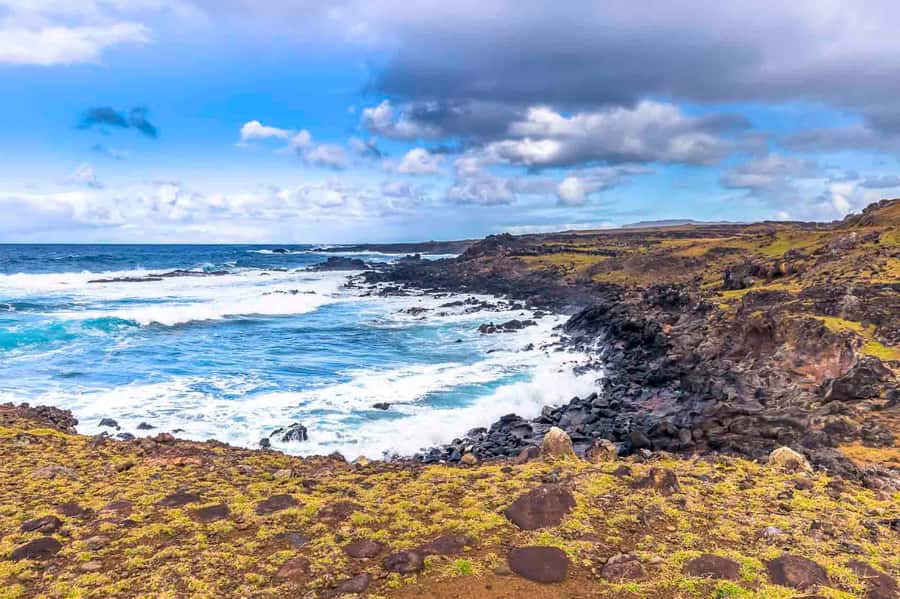
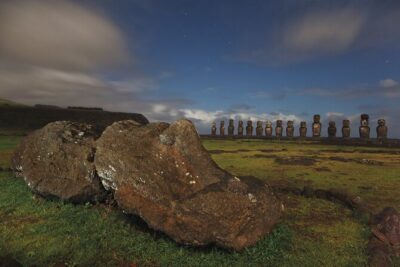
Your guide picks you up at your hotel in Hanga Roa and takes you toward Ahu Akahanga, near the village of Akahanga. This was an important ceremonial center, or ahu, and it introduces one of the most striking facts about Easter Island: many moai were deliberately knocked down during periods of conflict.
The statues here are not presented in their polished, upright form. You see archaeological remains and fallen moai, which can feel less immediately dramatic than Tongariki. I think that is useful. The site helps you understand that the island’s story includes political struggle, changing beliefs, and damage over time, not only the mystery often attached to the statues.
You also see remains of hare paenga, boat-shaped stone houses used by the island’s ancient inhabitants. These foundations are easy to pass without a guide, but they help you picture daily life beyond the ceremonial platforms.
The scheduled visit is about 30 minutes. That is enough for an introduction, though not a long archaeological walk. Wear shoes with a good grip, especially if the ground is wet. Judy’s experience remained positive even in pouring rain, but bad weather can make uneven sites less comfortable.
Rano Raraku, where the moai were carved
Rano Raraku is the main event for anyone fascinated by how the statues were made. This volcanic quarry supplied the rock used for the moai, and about 400 statues remain in different stages of carving around the site.
Here you are not just looking at finished figures. Some appear partly attached to the rock, while others show how the carvers worked into the volcanic slope. The unfinished statues make the quarry feel like a workshop interrupted in time. You can begin to understand the scale of the labor without needing every technical detail spelled out.
The planned visit lasts about three and a half hours, the longest stop of the day. That tells you something important about the tour’s priorities. This is not a quick photo stop. You should expect walking and time on uneven ground, and you will get more from it if you listen carefully to the guide’s explanation of carving, transport, ceremony, and the moai’s place in Rapa Nui society.
I would ask your guide to explain the difference between what is supported by archaeology and what comes from oral tradition. The supplied tour description includes the legend of Hotu Matua and the idea of Te Pito o te Henua, but a good guide can help you keep legend, belief, and historical evidence in their proper places.
The listed schedule creates a practical puzzle. Rano Raraku alone is shown as three and a half hours, while the full tour is advertised as six hours. Since Ahu Tongariki is listed for two hours, Anakena for one and a half hours, and the other stops add another hour, the total appears longer than six hours even before driving. Confirm the real duration and stop lengths when you reserve. This is the one detail I would not leave vague.
Ahu Tongariki and its line of fifteen moai
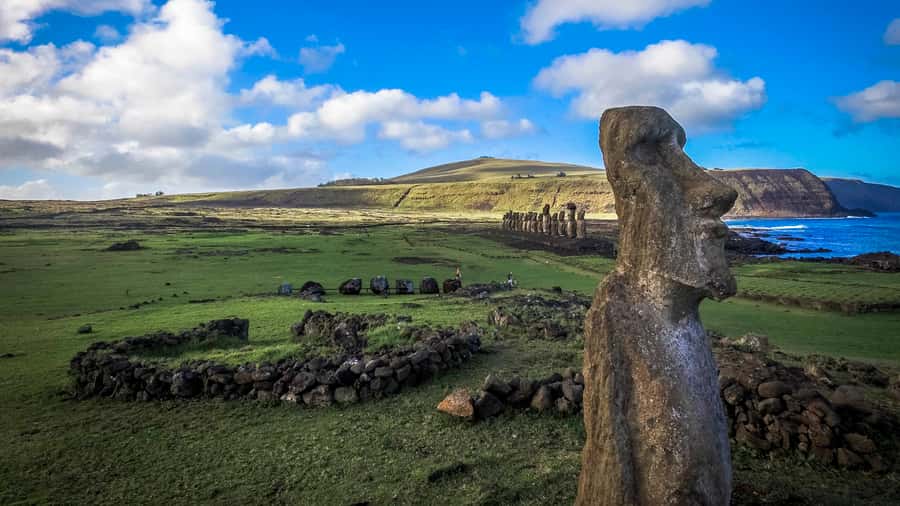
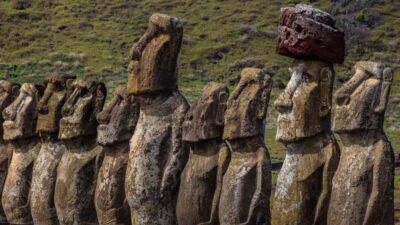
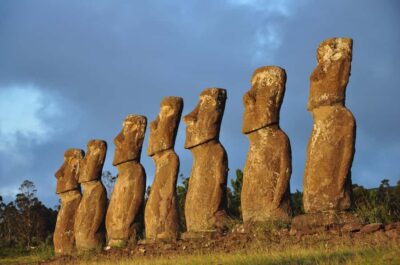
Ahu Tongariki is the island’s largest ahu and the most imposing platform on this route. Fifteen moai face inland from the restored ceremonial platform, creating the broad, powerful view many people picture when they think of Easter Island.
The scale matters. At Akahanga, you consider what happened when statues fell. At Tongariki, you see a large ceremonial group restored as a unified sight. Your guide can connect the platform to the wider story of Rapa Nui ritual life and explain why the arrangement matters.
The scheduled time here is two hours, though the actual timing should be checked because of the six-hour total advertised. A longer visit gives you room to look at the statues individually instead of taking one quick group photograph. Notice the differences in size, posture, and condition. The platform is not just a row of identical figures.
This is also a place where a private vehicle helps. You are not tied to a large group’s pace, and your guide can focus on your questions. Several guide names receive especially warm praise: Sol for engaging storytelling and punctual service, Miguel for making complex information easy to follow, and Yoyo for a friendly, humorous approach.
A completely different sort of day out of Easter Island:
- Full day tour – DREAM
★ 5.0 · 86 reviews - From Hanga Roa: Journey from Orongo to Ana Te Pahu
★ 4.3 · 75 reviews - Rapa Nui Stargazing
★ 4.5 · 62 reviews - Two days of Full Day Tour of Rapa Nui + Sunrise in Tongariki
★ 4.8 · 55 reviews
Te Pito Kura and the navel of the world
Ahu Te Pito Kura offers a smaller stop with a strong legendary connection. The site includes Paro, described as the island’s highest statue, along with a large spherical stone beside the ahu.
According to tradition, this stone was the navel of the world, or Te Pito o Te Henua, and was brought to the island on Hotu Matua’s boat. I like this stop because it shows how physical places and oral tradition overlap on Rapa Nui. You can look at the stone as an archaeological object while also hearing the story that gives it special meaning.
The planned visit lasts about 30 minutes. That is enough for an explanation and photographs, but it is not a major walking stop. Treat it as a short interpretive pause between the large quarry and the beach rather than expecting another Tongariki-sized spectacle.
Anakena Beach and Ahu Nau Nau
Anakena changes the mood of the day. After the quarry and ceremonial platforms, you reach a white sand beach linked to the arrival of Ariki Hotu Matua and his sister Avareipua. The setting gives you a chance to see the moai in relation to the island’s coast rather than only against open grass and volcanic rock.
The archaeological highlight here is Ahu Nau Nau, an ancient complex with five moai wearing pukao, the red stone topknots associated with some statues. Petroglyphs appear on the backs of the figures, adding detail that is easy to miss if you only look from the front.
The planned visit is about an hour and a half. That makes Anakena a useful final stop because it combines cultural meaning with a more relaxed natural setting. Still, do not assume the tour includes a meal or drinks. Those are not included, so plan your own food and water arrangements.
The beach also helps explain why this route is more than a statue checklist. You get archaeology, oral tradition, coastal scenery, and a sense of how the island’s people connected settlement, ceremony, and place.
What the guides add to the day
The guide is central to the value of a private tour. Without one, you can see the moai, but you may miss the links between the sites. The strongest praise focuses on guides who make the information lively without flattening Rapa Nui culture into a string of mysteries.
Sol has been praised for being punctual and for telling the story in an engaging way. Hugo received particularly strong praise for adding humor, discussing modern cultural concerns, and helping visitors think about the effects of overtourism. Miguel was described as a source of information who presented it in an accessible way. Yoyo was praised for warmth, humor, and an easy pace.
Those details matter because six hours with a guide can either feel like a lecture or a conversation. If you care about culture, ask questions about what is known from archaeology, what comes from Rapa Nui oral tradition, and how the island is managed today. A private setting gives you room to do that.
The tour operates in English and Spanish. If language is important to your experience, select the language you can follow most comfortably when booking.
Price, entrance fee, and what you receive
The listed price is $200 per person. The $80 entrance fee is not included, bringing the basic total to about $280 per person. Food and drinks cost extra.
That is not a low-cost island outing, but the value improves if you want a private experience rather than a large shared group. Hotel pickup and drop-off, private transport, and a professional guide are included. You are paying for convenience, a dedicated vehicle, and interpretation across several distant sites.
The price makes less sense if you only want a quick look at a few moai or prefer to explore without much explanation. It makes more sense for a first visit, a short stay, or anyone who wants to cover Akahanga, Rano Raraku, Tongariki, Te Pito Kura, and Anakena in one organized day.
The booking terms also offer useful flexibility. You can reserve and pay later, and cancellation is free up to 24 hours in advance. Do not overlook the entrance fee when comparing prices with other options.
Who should book this tour
I would choose this tour if you want the island’s major archaeological sights in one private outing and you value detailed interpretation. It suits couples, families with older children, and small groups who prefer their own vehicle and guide.
It is less suitable for anyone with limited mobility. The activity specifically excludes wheelchair users and people with mobility impairments, and the quarry and outdoor archaeological sites require walking. Comfortable shoes are essential, and warm clothing is recommended.
Cruise ship passengers should not book this activity because it is not available to them. Pickup is designed for hotels in Hanga Roa.
Final verdict: a strong choice with one timing question
I would recommend the Moai Trail Private Archeological Tour for a first visit to Easter Island, especially if you want history and culture explained rather than simply photographed. The best parts are Rano Raraku’s unfinished statues, Tongariki’s fifteen-moai platform, and the range of guides praised for warmth, humor, and serious cultural context.
Before paying, confirm how the six-hour duration fits with the listed stop times. Also budget for the $80 entrance fee and bring shoes, warm layers, and your own food or drinks. If those details work for you, this private route offers a well-rounded introduction to Rapa Nui, from fallen moai and ancient houses to quarry workshops, legends, ceremonial platforms, and Anakena’s beach.
FAQ
Where does the tour begin and end?
Pickup and drop-off are provided at your hotel in Hanga Roa.
How long does the tour last?
The activity is advertised as six hours. The listed visit times add up to more than six hours, so confirm the actual schedule before booking.
What sites are included?
The route includes Ahu Akahanga, Rano Raraku, Ahu Tongariki, Ahu Te Pito Kura, Anakena Beach, and Ahu Nau Nau.
Is the entrance fee included?
No. The entrance fee is listed as $80 per person. Food and drinks are also not included.
What languages are available?
A live guide is available in English or Spanish.
Can cruise ship passengers or wheelchair users join?
No. The tour is not available to cruise ship passengers and is not suitable for wheelchair users or people with mobility impairments.
Just added around Easter Island
- Easter Island: 2 Full Days Private Tour★ 3.9 · 3 reviews
- Easter Island: Full Day Ancestral Caves and Orongo Village★ 5.0 · 3 reviews
- Easter Island: Customized recreational-tourist diving★ 5.0 · 3 reviews
- Ancestral fishing: Fishing with an experienced Rapa Nui★ 4.4 · 3 reviews
- Birdman Cult and Caves★ 4.0 · 5 reviews
- Easter Island: Moai Full Day Private Tour★ 4.8 · 5 reviews
- Rapa Nui: Polynesian Massage★ 4.8 · 5 reviews
- Rapa Nui: 3 Excursions with Hotel Transfers★ 4.3 · 6 reviews
Easter Island Tours, compared.
Two days of Full Day Tour of Rapa Nui + Sunrise in Tongariki
Read our review →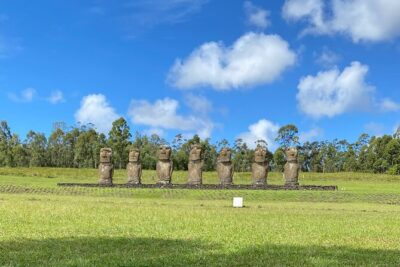
Browse the lists this tour appears in