
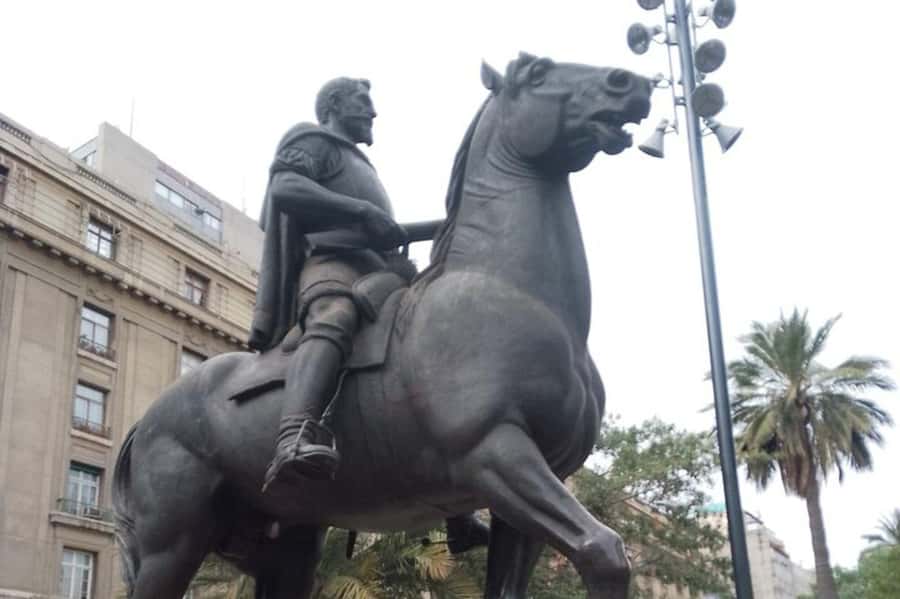
Reviewed · HISTORICAL TOURS
Santiago: Guided Walking Tour of the Historical Old Town
Santiago reveals itself best on foot. This three-hour tour links the city’s major historic squares, civic buildings, art quarter, hilltop lookout, and food district in one well-planned route. I especially like the small groups of up to 10 people and the way the tour finishes at Patio Bellavista, where you can sit down for lunch or continue exploring.
The price is also appealing: $25 per person includes a guide, walking tour, and bottled water. Guide Eugenio, also called Eugene by many English-speaking participants, receives repeated praise for his clear explanations, friendly manner, good pacing, and willingness to answer questions. The main caution is simple: this is a serious three-hour walk, and the route includes Santa Lucia Hill, so hot weather, tired legs, or mobility concerns could change how much you enjoy it.
In This Review
- Key points to know before booking
- Why this route works for a first look at Santiago
- Palacio de La Moneda and Santiago’s civic heart
- Plaza de Armas and the 1748 Cathedral
- Bellas Artes and the move toward art and parks
- Santa Lucia Hill and the city view
- Bellavista and the finish at Patio Bellavista
- What the guide adds to the experience
- Is $25 good value?
- Who should book this walking tour?
- FAQ
- How long is the Santiago old town walking tour?
- How much does the tour cost?
- Where does the tour start?
- Where does the tour finish?
- What languages are available?
- Is Santa Lucia Hill included?
- Are meals or museum entries included?
- Can I cancel for a refund?
- Should you book it?
Key points to know before booking
- Starts at Palacio de La Moneda: The route begins with Chile’s central political story before moving into the older city.
- Covers major sights efficiently: You see the Stock Exchange, Bandera Avenue, Courts of Justice, former National Congress, Plaza de Armas, Cathedral, City Hall, and several neighborhoods.
- Includes Santa Lucia Hill: The lookout gives you a broad city view, with free entrance Tuesday through Sunday.
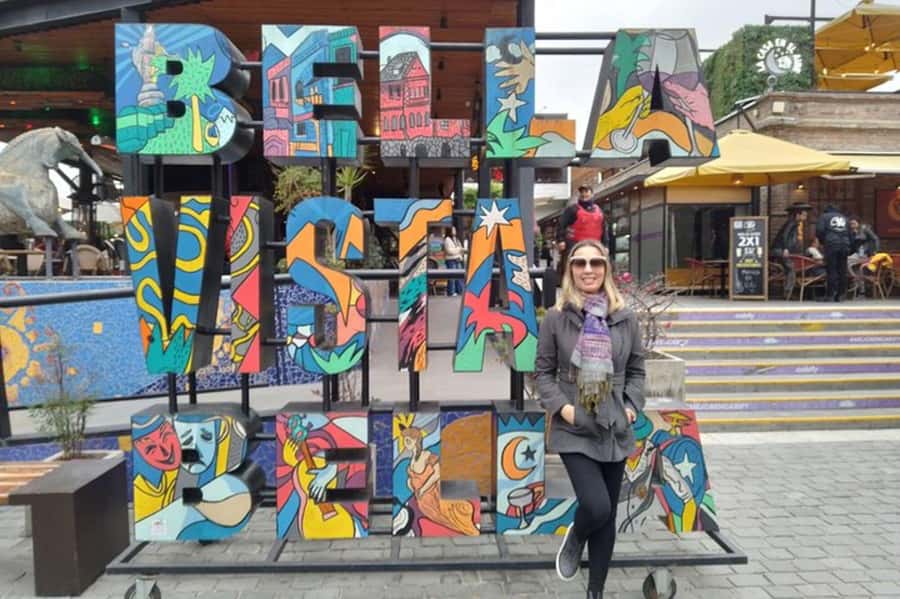
- Ends in Bellavista: Patio Bellavista puts you near restaurants and local food choices at the right time of day.
- Small group format: A maximum of 10 participants makes it easier to hear the guide and ask questions.
- Best for a first day: The route gives you useful bearings and ideas for museums, restaurants, and places to revisit later.
Why this route works for a first look at Santiago
Santiago’s center can feel like a lot to absorb at first. Government buildings, grand churches, pedestrian streets, open squares, galleries, and restaurant districts all sit within a fairly compact part of the city, but their stories are not always obvious from the sidewalk.
This tour gives you a clear sequence. You begin with government and finance, move into the colonial-era core, then shift toward art, parks, viewpoints, and food. That variety matters. You are not spending three hours looking at similar buildings or hearing only dates and names.
I like the route as an arrival-day activity. Several people used it during a short stay or a long layover and found it useful for getting their bearings. You can note the streets, museums, cafés, and neighborhoods you want to revisit once you have a better sense of the city.
The guide is a major part of the value. Eugenio is repeatedly praised for linking each stop to Santiago’s political, social, architectural, and cultural story. He also speaks Portuguese, English, and Spanish. Mixed-language groups are part of the experience, and he has been praised for making sure English and Spanish speakers receive the same information.
One useful detail: the tour may run longer than the advertised three hours if questions or delays build up. That generosity is welcome if you have time, but it is worth keeping in mind if you have a fixed dinner reservation or airport transfer afterward.
More Historical Tours in Santiago
- Essence of Santiago : History, Flavors and Panoramic Views
★ 5.0 · 45 reviews - Santiago: Private tour, historic center, high altitude viewpoint, cable car
★ 4.9 · 27 reviews - Discover Santiago, where modernity merges with history
★ 5.0 · 12 reviews
Palacio de La Moneda and Santiago’s civic heart
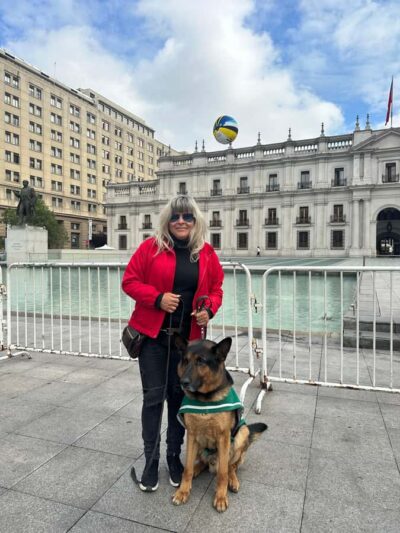
The tour starts at Palacio de La Moneda, Chile’s best-known government building. Beginning here sets the tone. Santiago is not presented only as a collection of attractive facades. You get an introduction to the country’s political past and the role the city center still plays in public life.
From there, the route takes you toward the Stock Exchange Building and Bandera Avenue. The contrast is useful. The Stock Exchange points to commerce and finance, while Bandera Avenue gives you a more street-level sense of central Santiago.
This part of the walk is especially helpful if you want context rather than a quick photo stop. The buildings become easier to understand when someone explains how civic power, business, and public space fit together.
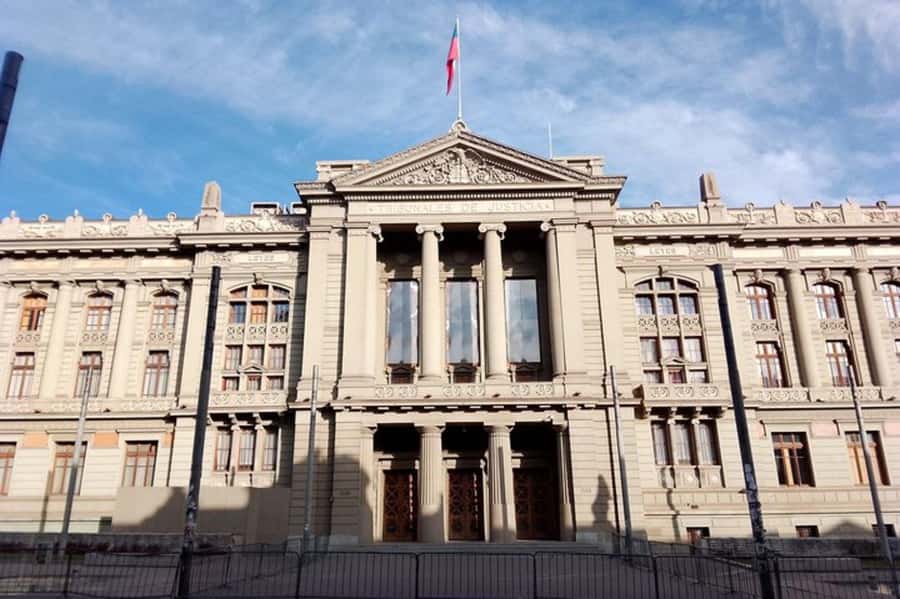
The Courts of Justice add another layer to the route. Along with the former National Congress, they help show how much of Santiago’s identity is tied to national institutions. You may not spend long inside any one building, but the outside views and the guide’s explanation turn the walk into a connected story.
Keep your attention on the pace here. The central streets can be active, and the group moves from one point to another rather than stopping for long periods at every facade. That is a good trade for seeing more ground, though anyone who wants detailed architectural study may wish to return later with extra time.
Plaza de Armas and the 1748 Cathedral
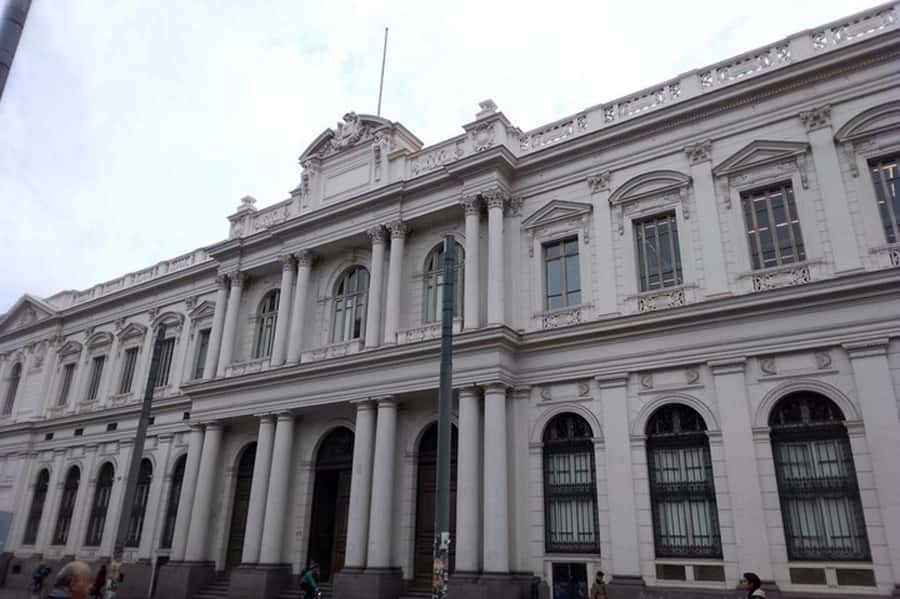
Plaza de Armas is the emotional center of the old town route. It gives you a broad public square, a place to watch everyday city life, and several important buildings gathered within a short walk.
The Cathedral of Santiago is the major stop. The present cathedral dates to 1748, and its grand exterior gives the square much of its formal character. A guide adds value here because the building is more than a pretty church. Its age, role, and position in the city help explain the development of Santiago’s historic core.
The former National Congress and Santiago City Hall continue the civic theme. Together with the cathedral, they create a useful snapshot of religious, political, and municipal power surrounding one square.
I would not expect the tour to function as a slow church visit or an extended museum stop. The emphasis is on seeing the major places and understanding how they connect. If you want a quiet look at the cathedral’s interior, ask the guide how much time is available on your date, since the group must keep moving.
This is also a good point to ask questions. The guide’s strengths, according to the supplied experience details, include answering everything from historical matters to modern Chilean culture and food. That makes the stop more personal than a standard audio guide.
Bellas Artes and the move toward art and parks
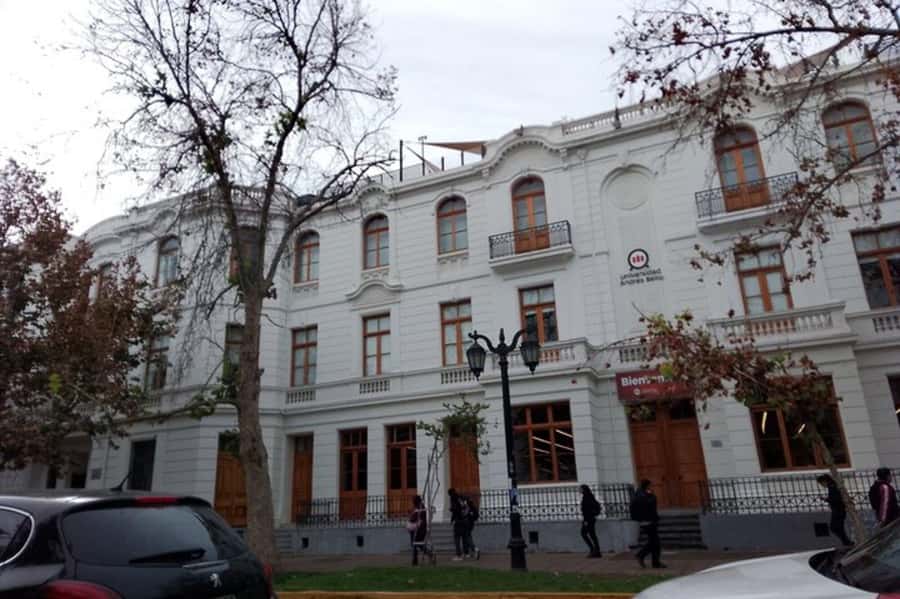
After the old town, the route turns toward the Bellas Artes Neighborhood. The mood changes. Instead of concentrating mainly on government and religious buildings, you begin to see Santiago through art, cafés, cultural venues, and streets meant for wandering.
The Bellas Artes Museum is one of the area’s key attractions. The tour introduces the neighborhood and museum, but the entry fee is not listed as included. Treat this section as an orientation rather than a full museum visit unless your booking details say otherwise.
That distinction matters for planning. If you enjoy art, save the museum for another visit when you can take your time. The walking tour helps you identify where it is and gives the surrounding area some meaning, but three hours is not enough for a serious museum visit plus the rest of the route.
The nearby Lastarria Neighborhood adds another change of pace. The guide can point out the area’s character and help you see how it differs from the formal historic center. Forest Park then gives the route a calmer stretch before the final neighborhood.
Several people particularly liked receiving suggestions for museums and restaurants after the tour. That is one of the quiet benefits of a small group. You can ask for practical follow-up ideas instead of receiving only a rehearsed speech.
More Walking Tours in Santiago
- Santiago Half-Day Walking Tour with Hotel Pick up & Brunch
★ 4.7 · 148 reviews - Santiago De Chile: Private Custom Walking tour with A Guide
★ 4.4 · 88 reviews - 2-Hour Walking Tour of Yungay The Coolest Neighborhood in Chile
★ 5.0 · 85 reviews - Santiago de Chile Private Walking Tour-5 Hours with Hotel Pick-up
★ 5.0 · 77 reviews
Santa Lucia Hill and the city view
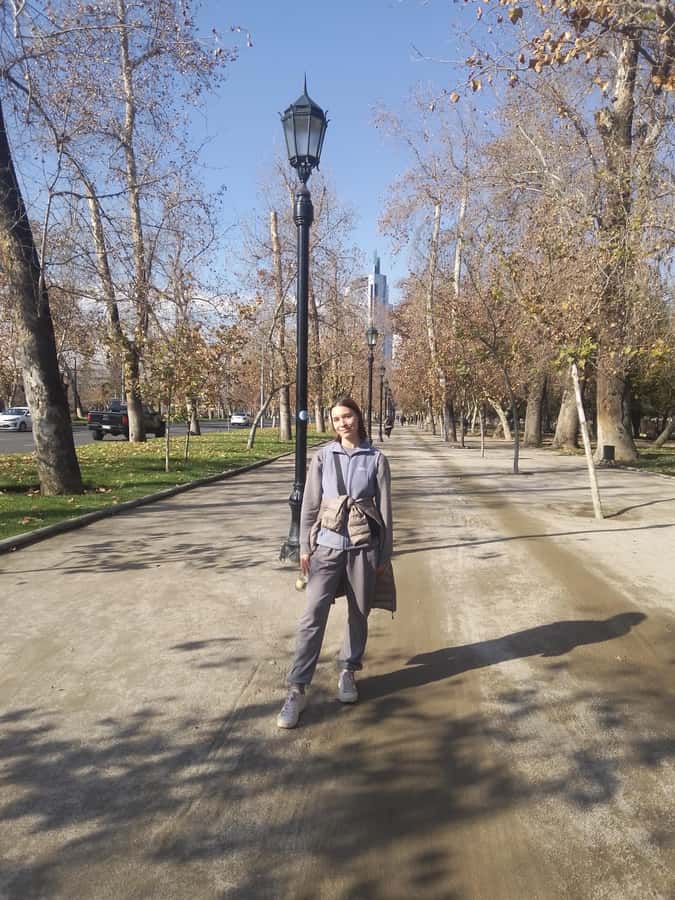
Santa Lucia Hill is one of the tour’s most memorable physical stops. You climb the picturesque hill for a panoramic view across Santiago. This gives you something the street-level portion cannot: a sense of the city’s scale and the way its central districts fit together.
The climb also makes the footwear advice important. Wear comfortable shoes with a firm sole. The route is not a bus tour with a quick step off at each landmark. You will be walking for three hours, and the hill adds an uphill section.
Entrance to Santa Lucia Hill is free from Tuesday through Sunday. The supplied information does not promise free entry every day, so check the date of your tour if this detail affects your plans.
The hill can be harder in strong heat. Guides have been praised for stopping in shady places and checking that everyone is comfortable, but shade cannot remove the basic challenge of walking uphill on a warm day. Bring sun protection and use the included water sensibly.
The view is valuable even if you are not a photography enthusiast. It gives you a visual map before you continue toward Bellavista. I like that the tour places the viewpoint in the middle of the route rather than treating it as a separate excursion.
Bellavista and the finish at Patio Bellavista
The final section takes you into Bellavista, one of Santiago’s liveliest dining and nightlife areas. This is a smart ending because the tour finishes at Patio Bellavista, a central spot where you can find a meal or continue into the neighborhood.
Lunch is not included, so plan to pay separately. That is not a flaw at this price, but it does mean the tour ends with a decision: stop for food immediately, or use your new bearings to explore farther.
Bellavista is also a practical place to end if you want a change from churches, government buildings, and museums. The route closes with local flavors and a more relaxed social atmosphere. You can ask the guide for restaurant suggestions, although the tour does not include a dedicated tasting or food portion.
The ending works particularly well for a morning booking. You can eat afterward and still have much of the afternoon available. If your tour begins later, Patio Bellavista remains useful for a meal, but check your own schedule before assuming you will have time for additional sightseeing.
What the guide adds to the experience
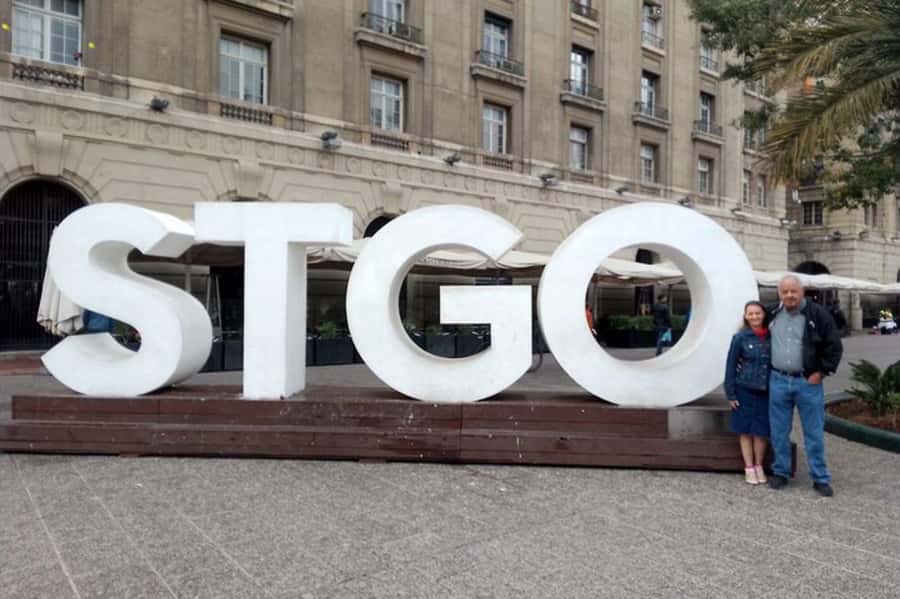
The strongest feature here is the human explanation. Eugenio is praised for making history easy to follow, connecting one stop to the next, and keeping the group involved without turning the walk into a lecture.
His pacing appears to be one of his best skills. Several people found the speed comfortable, and the small group lets him stop and check on participants. On hot days, he has chosen shady places for explanations. He has also helped people arrange an Uber back to their hotels after the tour, though that is a kindness and not a listed service.
There is one useful qualification. One English-speaking participant found that the guide sometimes spoke too quickly. If English is not your first language, or if you need more time to process historical details, ask him to slow down. The multilingual format is a benefit, but it can also make the presentation move quickly.
The group limit of 10 is important. A larger crowd would make the civic buildings and busy streets harder to manage. Here, you have a better chance of hearing the guide and asking about a detail that catches your eye.
Is $25 good value?
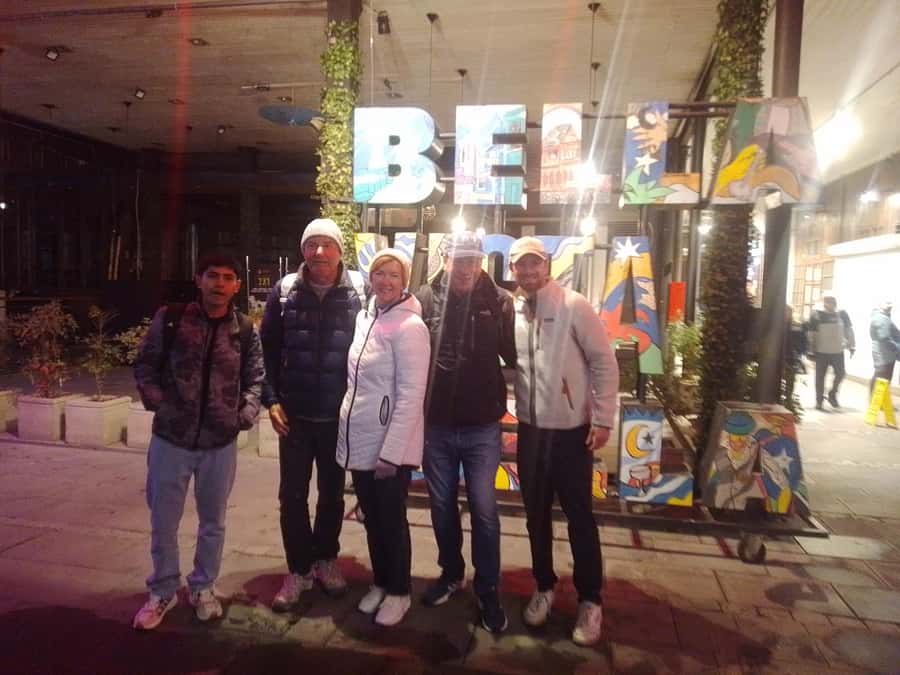
At $25, this tour offers a strong amount of coverage for the money. You receive three hours with a live guide, bottled water, and a route that connects several major areas rather than focusing on one square.
The value is highest if you are new to Santiago, have limited time, or prefer to learn the city through stories and neighborhoods. The tour saves you the work of planning a route between Palacio de La Moneda, Plaza de Armas, Bellas Artes, Santa Lucia Hill, and Bellavista.
It is less suitable if you want long interior visits, a food tasting, or a private guide. Lunch, entry to Pablo Neruda’s house, and entry to San Cristobal Hill are not included. San Cristobal Hill is not part of this route, so do not book expecting the city’s other famous hill attraction.
The tour’s free cancellation up to 24 hours ahead and reserve-now, pay-later option make it easier to fit into an uncertain schedule. Weather can affect the outing, and a cancellation caused by poor weather or too few bookings offers either a new date or a full refund.
Who should book this walking tour?

I would choose this for a first day in Santiago, a short visit, or a layover long enough to allow three hours of walking. It suits adults and older children who can keep a steady pace and enjoy history, architecture, politics, museums, and food districts in one outing.
It is not a good match for anyone who needs a seated experience or finds uphill walking difficult. The tour is not recommended for pregnant participants or people with heart problems or other serious medical conditions. Young children are also restricted, with the supplied rules listing limits for children under 2, under 3, and under 4, so confirm the exact age policy before booking for a family.
FAQ
How long is the Santiago old town walking tour?
The tour lasts three hours, though it may run longer if the group has many questions or needs extra time at stops.
How much does the tour cost?
The listed price is $25 per person.
Where does the tour start?
The tour begins at Palacio de La Moneda in Santiago.
Where does the tour finish?
It ends at Patio Bellavista in the Bellavista Neighborhood.
What languages are available?
The live guide operates in Portuguese, English, and Spanish.
Is Santa Lucia Hill included?
Yes. The route includes a climb up Santa Lucia Hill for panoramic city views. Entrance is free from Tuesday through Sunday.
Are meals or museum entries included?
No. Lunch is not included, and entry to Pablo Neruda’s house or San Cristobal Hill is specifically excluded. Entry to the Bellas Artes Museum is not listed as included.
Can I cancel for a refund?
Yes. You can cancel up to 24 hours in advance for a full refund. Poor weather or too few bookings can also lead to a new date or a full refund.
Should you book it?
Book it if you want a well-paced first introduction to Santiago with plenty of city context for a low price. The route covers more ground than a narrow old-town stroll, and the combination of Eugenio’s explanations, a group of no more than 10, Santa Lucia Hill, and a Bellavista finish gives the experience real practical value.
Skip it if you want a private tour, lengthy museum visits, a food tour, or a gentle ride instead of three hours on foot. For most first-time visitors who want to get oriented quickly, this is a sensible way to begin.
More Walking Tours
- Santiago: City Highlights Walking Tour
★ 4.2 · 51 reviews - Santiago Private Walking Tour with a Local
★ 5.0 · 45 reviews - Santiago : Must-See Sites Walking Tour With A Guide
★ 3.6 · 9 reviews - Santiago: Guided Full-Day Walking Tour with a Chilean Lunch
★ 4.9 · 7 reviews
More Historical Tours
- Santiago: Guided Walking Tour through the Historic Center
★ 4.4 · 7 reviews - Santa Rita Vineyard Tour: History, Wine, and Outdoor Picnic
★ 4.7 · 4 reviews - Santiago: Guided City Tour through the historic center of Santiago
★ 4.1 · 3 reviews - Walking Tour Valparaiso, History & Art – Private Optional
★ 4.5 · 59 reviews
Just added around Santiago
- Portillo & Laguna del Inca with Lunch at the Hotel Portillo★ 5.0 · 3 reviews
- ISLA NEGRA AND ALGARROBO WITH VINICOLA UNDURRAGA – TOUR : CHILE★ 3.3 · 3 reviews
- Santiago: Guided City Tour through the historic center of Santiago★ 4.1 · 3 reviews
- Santiago de Chile: Half-Day City Tour with Local Cuisine★ 4.5 · 3 reviews
- Valparaíso Tour with Funicular Ride and small groups★ 5.0 · 3 reviews
- From Santiago: Isla Negra, Pablo Neruda Museum & Winery Tour★ 5.0 · 3 reviews
- Santiago: Private Half-Day City Tour★ 4.2 · 3 reviews
- Santiago: Sunset at Vinicola Alyan Family★ 5.0 · 4 reviews
Historical Tours, compared.

Walking Tour Valparaiso, History & Art – Private Optional
Read our review →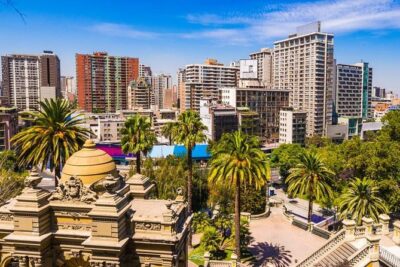
Essence of Santiago : History, Flavors and Panoramic Views
Read our review →

Private tour, historic center, high altitude viewpoint, cable car
Read our review →
Private tour: where the history of the Moai was born
Read our review →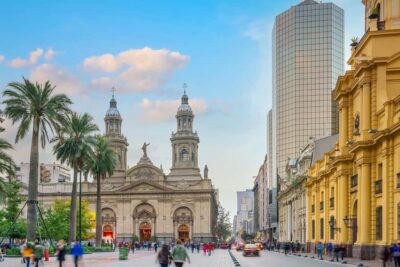
Discover Santiago, where modernity merges with history
Read our review →
Browse the lists this tour appears in