
Reviewed · HISTORICAL TOURS
Discover Santiago, where modernity merges with history
Santiago reveals its story in layers. This four-hour city tour moves from Bicentenario Park and the glassy Costanera Center to colonial churches, presidential history, and busy downtown streets. I like the small-group format and the chance to see both famous sights and ordinary city life without spending a full day in a vehicle.
I also like that a local guide can shape the experience around your interests. Catrina found that Carlos even worked football into the day, while Rodrigo helped another guest fit in the Teleférico and sort out last-minute cruise needs. The main consideration is pace: many places are viewed from the minivan, and the stops at Santa Lucia Hill, Plaza de Armas, and downtown require walking.
In This Review
- Key points to know before booking
- Why this four-hour route works well
- Starting at Bicentenario Park and the Costanera Center
- Bellavista, Forestal Park, and the city’s cultural side
- San Francisco Church and the National Library
- Climbing Santa Lucia Hill for a city view
- Lastarria and the former National Congress
- Plaza de Armas and the Metropolitan Cathedral
- The Stock Exchange and Paseo Ahumada
- La Moneda and the 1973 turning point
- What the guides add to the experience
- Price, timing, and practical value
- Who should book this Santiago city tour?
- Should you book it?
- FAQ
- How long is the Santiago city tour?
- How much does the tour cost?
- What languages are available?
- Is hotel pickup included?
- What happens if my accommodation is outside the pickup area?
- Is lunch included?
- Does the tour include Santa Lucia Hill?
- Is the tour wheelchair accessible?
- Can I cancel the booking for a refund?
Key points to know before booking
- Four hours covers a lot: You visit or pass through Santiago’s main historic, cultural, and financial districts in one morning or afternoon.
- Santa Lucia Hill adds real walking: The 30-minute stop includes an on-foot climb, so wear comfortable shoes and check whether the hill is open for maintenance.
- The guides shape the experience: Carlos, Rodrigo, Cristian, Julio, Juan, Mauricio, and Daniel have all been praised for warmth, local knowledge, and flexibility.
- The route links old and new Santiago: You see the Costanera Center and Stock Exchange alongside San Francisco Church, Plaza de Armas, and La Moneda.
- Pickup is designed for central stays: Hotel and Airbnb pickup is available in most central areas, with a nearby meeting point offered when needed.
- The price is reasonable for a first look: At $60 per person, transport, a guide, hotel pickup, and the major city sights are included.
Why this four-hour route works well
Santiago is spread across several districts, and its best-known sights do not sit in one compact old town. A guided minivan tour helps you cover ground quickly, then get out for the places that deserve a closer look.
The route also gives you useful contrasts. You pass through the financial district, see the city’s cultural quarters, walk along the main pedestrian street, and pause at the seat of government. This is not a museum-heavy excursion. It is a strong orientation tour that helps you understand how Santiago fits together.
The format suits you if this is your first time in the city, if you have only a half-day free, or if you want context before exploring on your own. It also works well before a cruise, as Rodrigo helped one guest handle last-minute cruise matters after showing the city.
At the same time, you should not expect long visits at every sight. Some places are marked as pass-by views, which means you may see them from the vehicle or receive a short explanation without entering. That tradeoff lets the tour include more of Santiago, but it gives you less time for detailed visits.
More Historical Tours in Santiago
- Santiago: Guided Walking Tour of the Historical Old Town
★ 4.8 · 459 reviews - Essence of Santiago : History, Flavors and Panoramic Views
★ 5.0 · 45 reviews - Santiago: Private tour, historic center, high altitude viewpoint, cable car
★ 4.9 · 27 reviews
Starting at Bicentenario Park and the Costanera Center
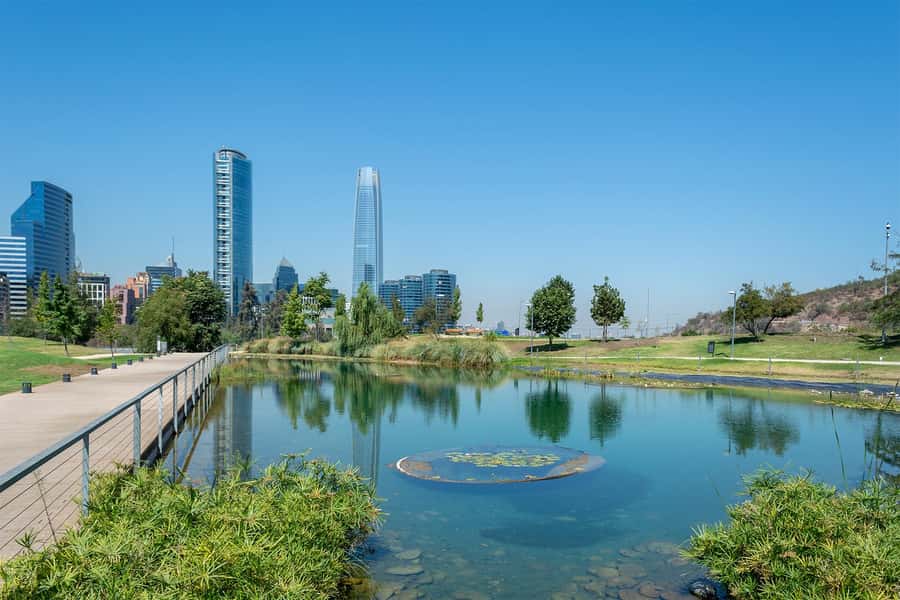
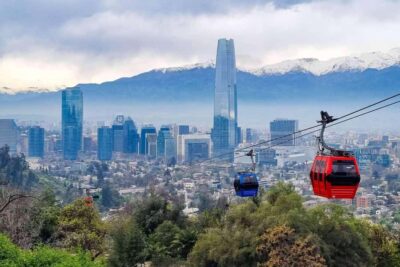
The tour begins at Bicentenario Park, with about 20 minutes to look around. The park marks 200 years of Chilean independence and includes local plant life, wildlife, and views toward the city. It is a good opening stop because it gives you space after pickup and introduces Santiago as a modern capital surrounded by dramatic natural settings.
This is not simply a photo stop. The park helps you see the city from a calmer angle before the route moves into traffic and denser neighborhoods. You can expect a short walk and time for pictures, but not a full park visit.
The Costanera Center comes next as a pass-by sight. Its main tower is the tallest building in South America, and it rises above Santiago’s financial district, often called Sanhattan. The contrast is clear: new offices, high-rise construction, and commercial power sit only a short drive from churches and colonial plazas.
Since this is a drive-by, you will not have time to explore the shopping center or go up the tower as part of the standard route. Think of it as a visual introduction to modern Santiago rather than a separate attraction visit.
Bellavista, Forestal Park, and the city’s cultural side
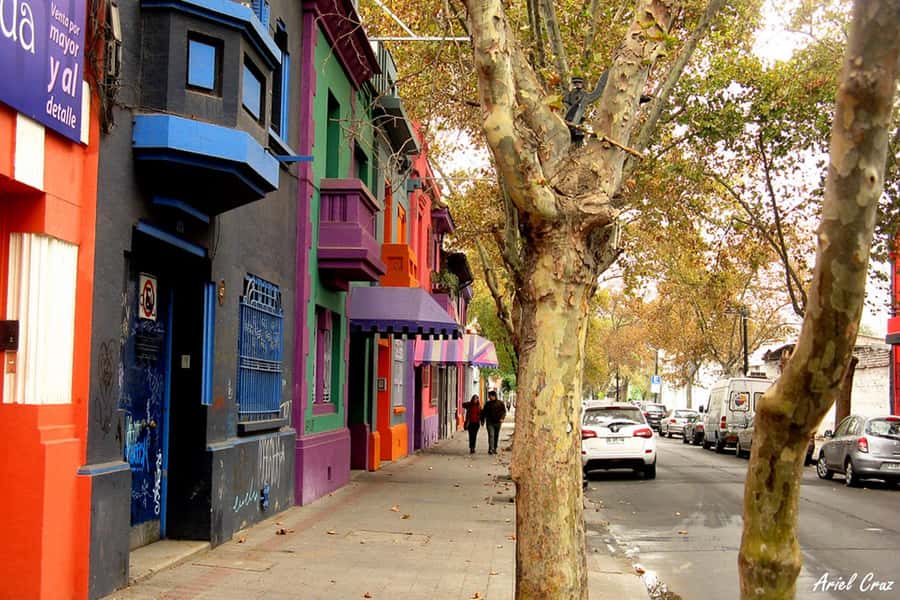
The minivan then passes through Bellavista, one of Santiago’s best-known cultural and nightlife districts. The area is associated with La Chascona, the former home of poet Pablo Neruda, now a museum. The house is not listed as a tour stop, so you should not count on entering it during this four-hour outing.
Still, Bellavista matters because it gives you a sense of Santiago after dark as well as during the day. Your guide can point out the district and explain its place in the city, while you decide if it deserves a return visit for dinner or the museum.
Forestal Park offers another short view from the route. This French-style park is home to Latin America’s first fine art museum. Its broad green space and central location connect the cultural quarter with the historic center, making it an important piece of Santiago’s urban design.
The pass-by format is the limitation here. You may see the park and museum from the vehicle, but this tour is not a substitute for an art museum visit. If fine art is a priority, you will want to return independently with more time.
San Francisco Church and the National Library
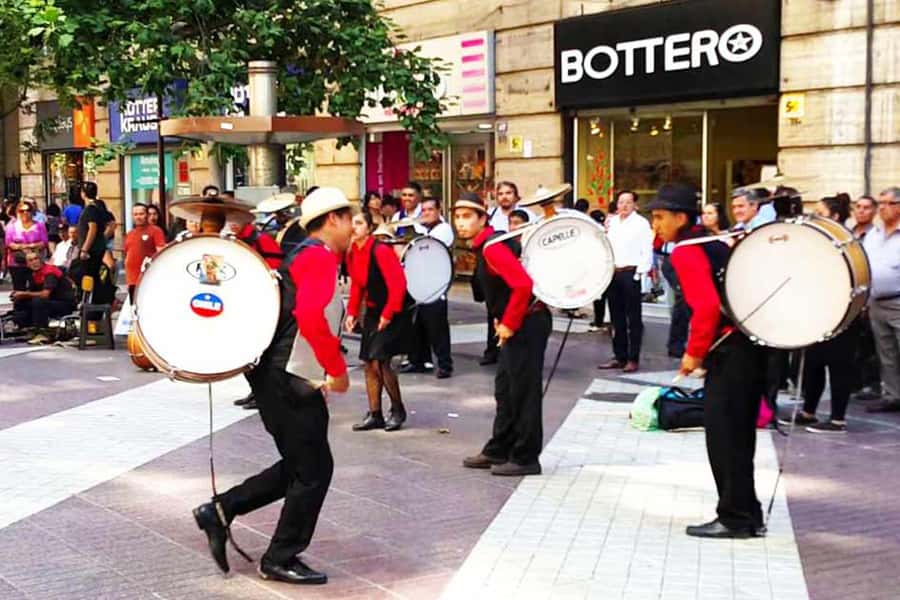
The route also passes San Francisco Church, described as the oldest building in Santiago. It has survived centuries of earthquakes, a fact that gives the stop real weight. In a city shaped by seismic activity, an old structure is not just an attractive façade. It tells you something about survival, repair, and the challenges of preserving the past.
The National Library follows as another drive-by landmark. It is Chile’s main bibliographic center and represents the country’s literary heritage. You will not be given an extended library visit, but the guide can place it within Santiago’s civic and cultural center.
These two sights show the limits and strengths of the tour. You receive useful historical framing while moving between neighborhoods, but you should choose a different visit if you want to spend time inside churches, libraries, or museums.
More historic sites:
- Santiago: Guided Walking Tour through the Historic Center
★ 4.4 · 7 reviews - Santa Rita Vineyard Tour: History, Wine, and Outdoor Picnic
★ 4.7 · 4 reviews - Santiago: Guided City Tour through the historic center of Santiago
★ 4.1 · 3 reviews - Walking Tour Valparaiso, History & Art – Private Optional
★ 4.5 · 59 reviews
Climbing Santa Lucia Hill for a city view
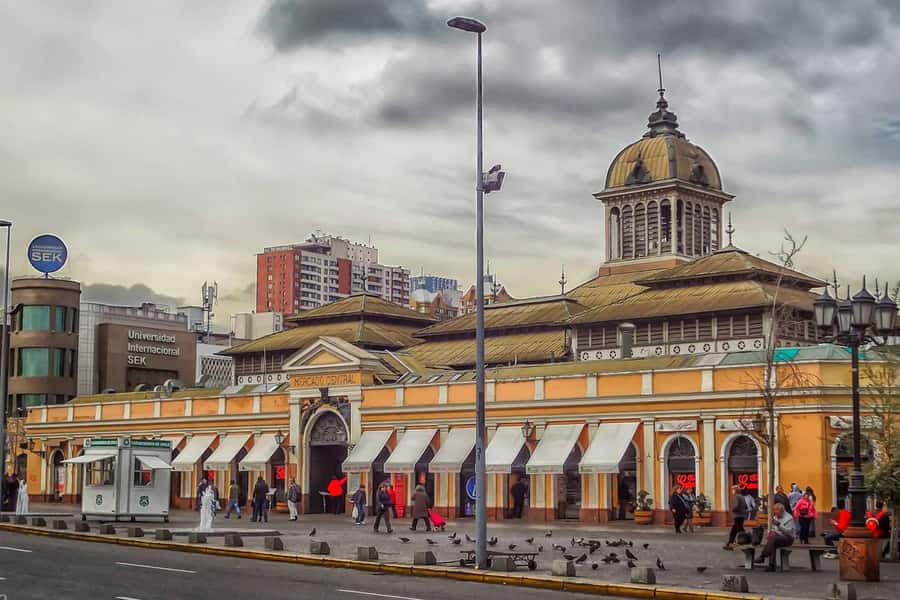
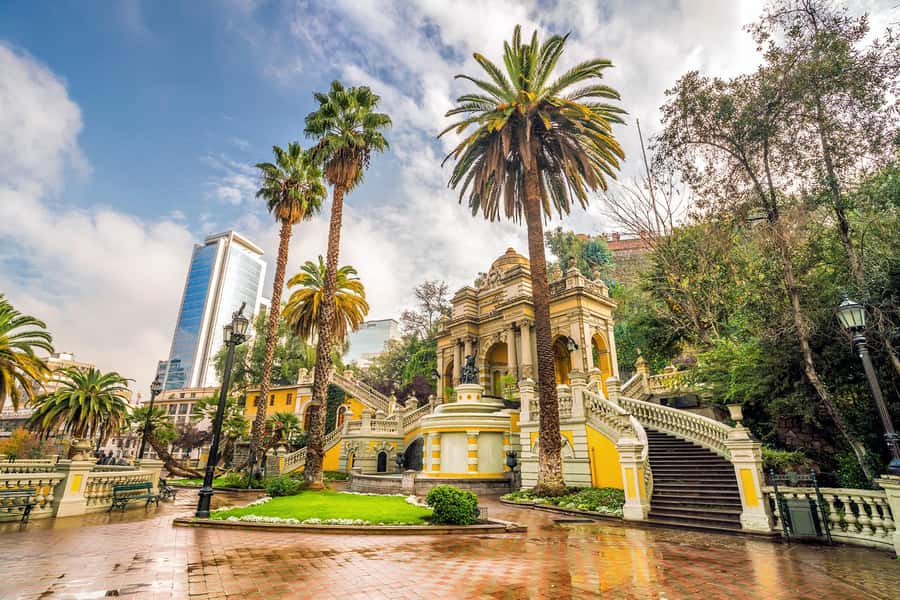
Santa Lucia Hill is one of the tour’s most worthwhile stops. You have about 30 minutes to climb on foot, look across the city, and hear about the hill’s past. It is also one of the few places on this route where you get a broad view rather than a street-level impression.
The climb is an important practical detail. The tour is listed as wheelchair accessible, but the hill portion is on foot and may not be suitable for every mobility level. The hill can also close for maintenance on some days, and the itinerary may change if that happens.
Plan on comfortable shoes and a willingness to move at a steady pace. Thirty minutes is enough for a taste of the hill and its outlook, but not a slow exploration of every path. If the view matters to you, this is the stop where timing and weather may affect what you get.
Lastarria and the former National Congress
After Santa Lucia Hill, you pass through Lastarria, known as Santiago’s museum district. The neighborhood is also a good area for restaurants and evening entertainment, so it is worth marking on your map for later.
Lastarria is especially useful as a recommendation from your guide. The tour only passes through, but you can return when you have time to browse, eat, or visit a museum at your own speed.
There is a brief five-minute stop at the former National Congress building. Chile’s Congress later moved to Valparaíso, leaving this elegant Santiago building with a role in the capital’s political past. Five minutes is enough to see it and take a picture, but not enough for an interior visit.
Plaza de Armas and the Metropolitan Cathedral
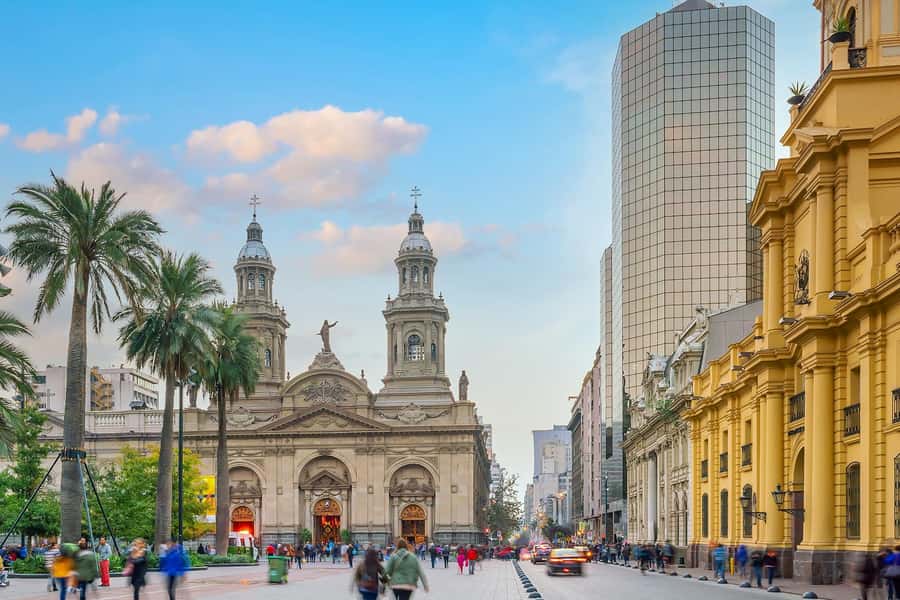
The historic center receives more attention. You stop at the Metropolitan Cathedral for about 15 minutes, then spend around 20 minutes at Plaza de Armas. The cathedral is Chile’s main Catholic church and is known for its detailed architecture.
Plaza de Armas is the civic heart of old Santiago, surrounded by colonial-era buildings and major public institutions. It is the sort of place where the guide’s explanation adds real value, because a quick look at the square alone will not tell you why it matters.
This is also a good point to meet local city life. The square and surrounding streets connect formal monuments with daily errands, street movement, and ordinary commerce. You are not being kept in an isolated sightseeing bubble.
The time here is useful but limited. If you want to study the cathedral interior, take careful architectural pictures, or explore nearby streets, plan to return later. The tour gives you orientation and context, not an exhaustive old-town visit.
The Stock Exchange and Paseo Ahumada
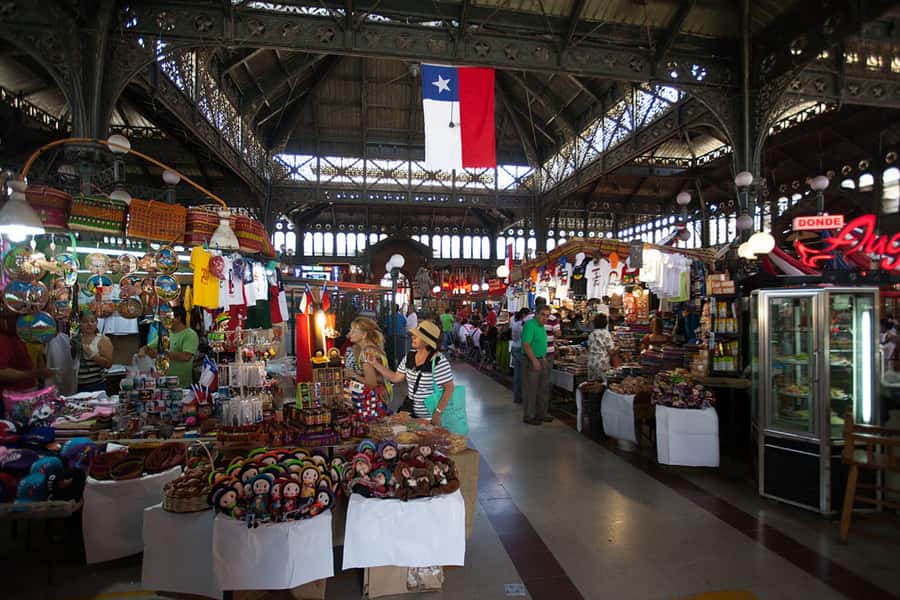
The Santiago Stock Exchange receives a quick five-minute stop. It is the center of Chile’s financial sector, and the visit helps balance the route’s focus on churches and government buildings with a look at the country’s business life.
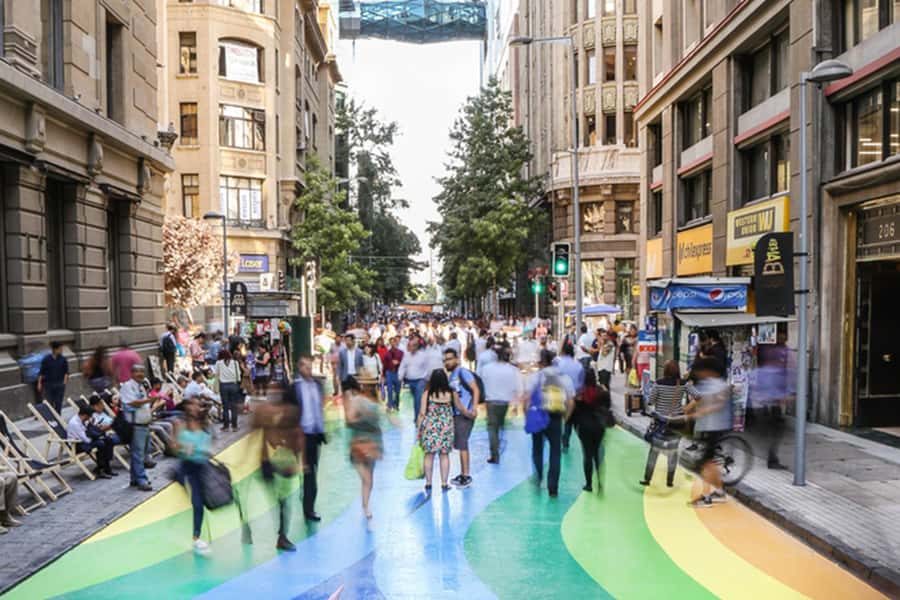
You then walk along Paseo Ahumada for about 15 minutes. This is Santiago’s main pedestrian street, lined with everyday commerce and steady foot traffic. It offers a more ordinary view of the capital than a formal plaza or palace.
I value this part because it gives you a sense of how the city works between the monuments. You can see the connection between the old center, retail streets, offices, and public transportation routes. Just keep your belongings secure in any crowded central area, as you would in any major city.
Fifteen minutes is enough for a short walk and explanation. It is not a shopping session, so save purchases for another visit if you want time to browse.
La Moneda and the 1973 turning point
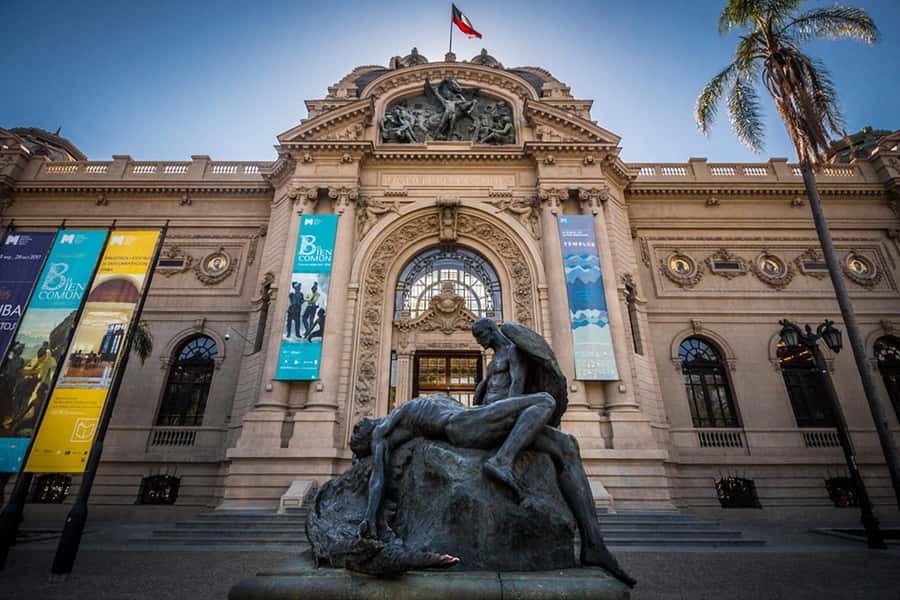
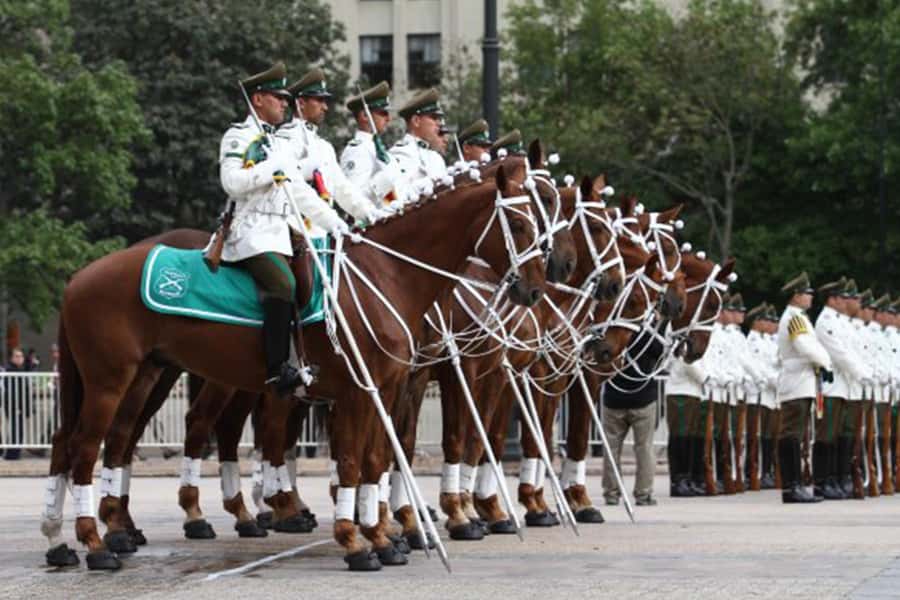
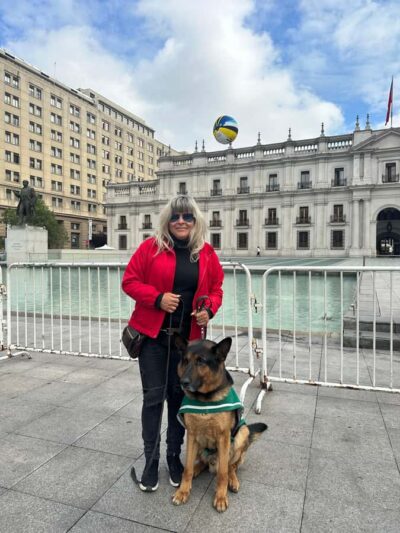
The final major section focuses on La Moneda, Chile’s presidential palace. You stop for about 15 minutes, then visit Plaza de la Constitución for another 15 minutes. The square is associated with the ceremonial changing of the guard at La Moneda.
La Moneda is more than a handsome government building. It was the site of the 1973 coup that began Chile’s military dictatorship, so this stop brings difficult modern history into the tour. A good guide can explain the event in a clear way and place it within the country’s political story without turning the visit into a dry lecture.
Because the changing of the guard is ceremonial, its timing may affect what you see. City events, street closures, and scheduling can also alter the route. The supplied information does not guarantee that the ceremony will take place on every departure, so treat it as a possible feature rather than the sole reason to book.
The tour finishes with drop-off at your original pickup point. That return transfer is valuable if you are staying in central Santiago and want a simple end to the afternoon.
What the guides add to the experience
The guide is the main reason to choose this tour over a self-guided drive around Santiago. The strongest praise has gone to guides who explain the city clearly, answer questions, and adjust the outing to the people in the minivan.
Carlos was praised for explaining Santiago and its past while also taking an interest in football. Rodrigo arrived on time, helped arrange a Teleférico visit when asked, and assisted with practical cruise-related matters. Cristian was described as attentive and well informed, while Julio was appreciated for his authentic way of presenting the city and its neighborhoods.
Juan made a three-person family group feel almost like a private tour, giving them room to explore at a comfortable pace. Mauricio was praised for his care and strong command of the city and its past. Daniel received especially warm attention for his broad education, enthusiasm for photography, and ability to make the group feel like friends walking through Santiago.
These comments point to an important benefit: the experience can feel personal when the group is small. The exact group size is not stated, so I would not assume a private tour, but smaller departures may allow more questions and easier adjustments.
The available languages are English, Spanish, and Portuguese. Tell the provider your preferred language when booking.
Price, timing, and practical value
At $60 per person, the tour offers a fair package for a first look at Santiago. You receive a local guide, air-conditioned minivan transport, pickup and drop-off, and visits to the city’s main cultural and historic points.
The price makes the most sense if you value time and structure. Hiring transport between Bicentenario Park, the financial district, Santa Lucia Hill, the old center, and La Moneda could be awkward on your own, especially during a short stay. The tour also saves you from piecing together the city’s history from disconnected stops.
It is less valuable if you prefer to spend an hour or more inside each museum, church, or neighborhood. Several locations are pass-by sights, and the stops are timed tightly. Lunch is not included, so plan a meal before or after the tour. Lastarria and Paseo Ahumada offer useful areas to continue your day, but the tour itself does not include food.
Pickup is available from most centrally located Santiago hotels and Airbnb locations. If your address is outside the service area, the provider offers the nearest meeting point. Give your exact location when booking so the pickup time can be confirmed.
Free cancellation is available up to 24 hours before departure, and you can reserve now and pay later. The tour requires a minimum number of passengers. If that minimum is not reached, a date change, another tour, or a full refund is offered.
Who should book this Santiago city tour?
I would choose this outing if you have four hours and want a clear introduction to Santiago before exploring alone. It is especially suitable for first-time visitors, cruise passengers, couples, families, and anyone who wants transport between distant parts of the city.
It also suits people who enjoy asking questions. The guides have shown a willingness to discuss personal interests, photography, football, neighborhood life, and practical travel needs. That flexibility can turn a standard route into a more useful introduction.
I would hesitate if your main goal is museum interiors, leisurely shopping, or a slow architectural study. The route covers a great deal, but it does so through short stops and drive-by views. Santa Lucia Hill also requires a climb, and the schedule can change because of maintenance, street closures, or city events.
Should you book it?
Book this tour if you want to get your bearings quickly and understand how Santiago’s historic center, government quarter, cultural districts, and modern financial core connect. The local guides are the strongest part, and the included transport makes $60 a reasonable price for a compact city introduction.
Skip it only if you already know Santiago well or prefer to explore a single neighborhood at a very slow pace. For most first visits, this is a practical half-day foundation, followed by your own return to Bellavista, Lastarria, the museums, or any sight that deserves more than 15 minutes.
FAQ
How long is the Santiago city tour?
The tour lasts four hours.
How much does the tour cost?
The price is $60 per person.
What languages are available?
The live guide is available in English, Spanish, and Portuguese.
Is hotel pickup included?
Yes. Pickup and drop-off are included from most centrally located Santiago hotels and Airbnb locations.
What happens if my accommodation is outside the pickup area?
The provider will offer the nearest meeting point from your hotel or Airbnb location.
Is lunch included?
No. Lunch is not included in the tour price.
Does the tour include Santa Lucia Hill?
Yes. Santa Lucia Hill is a 30-minute stop, and the climb is on foot. The hill may close on some days for maintenance.
Is the tour wheelchair accessible?
The activity is listed as wheelchair accessible, but the Santa Lucia Hill visit includes an on-foot climb.
Can I cancel the booking for a refund?
Yes. You can cancel up to 24 hours in advance for a full refund. You can also reserve now and pay later.
Just added around Santiago
- Portillo & Laguna del Inca with Lunch at the Hotel Portillo★ 5.0 · 3 reviews
- ISLA NEGRA AND ALGARROBO WITH VINICOLA UNDURRAGA – TOUR : CHILE★ 3.3 · 3 reviews
- Santiago: Guided City Tour through the historic center of Santiago★ 4.1 · 3 reviews
- Santiago de Chile: Half-Day City Tour with Local Cuisine★ 4.5 · 3 reviews
- From Santiago: Isla Negra, Pablo Neruda Museum & Winery Tour★ 5.0 · 3 reviews
- Valparaíso Tour with Funicular Ride and small groups★ 5.0 · 3 reviews
- Santiago: Private Half-Day City Tour★ 4.2 · 3 reviews
- Santiago: Sunset at Vinicola Alyan Family★ 5.0 · 4 reviews
Historical Tours, compared.

Walking Tour Valparaiso, History & Art – Private Optional
Read our review →
Essence of Santiago : History, Flavors and Panoramic Views
Read our review →
Private tour, historic center, high altitude viewpoint, cable car
Read our review →
Private tour: where the history of the Moai was born
Read our review →
Browse the lists this tour appears in