
Reviewed · ATACAMA STARGAZING & ASTRONOMY TOURS
Milky Way Sanctuary Stargazing Tour at Pangue Observatory
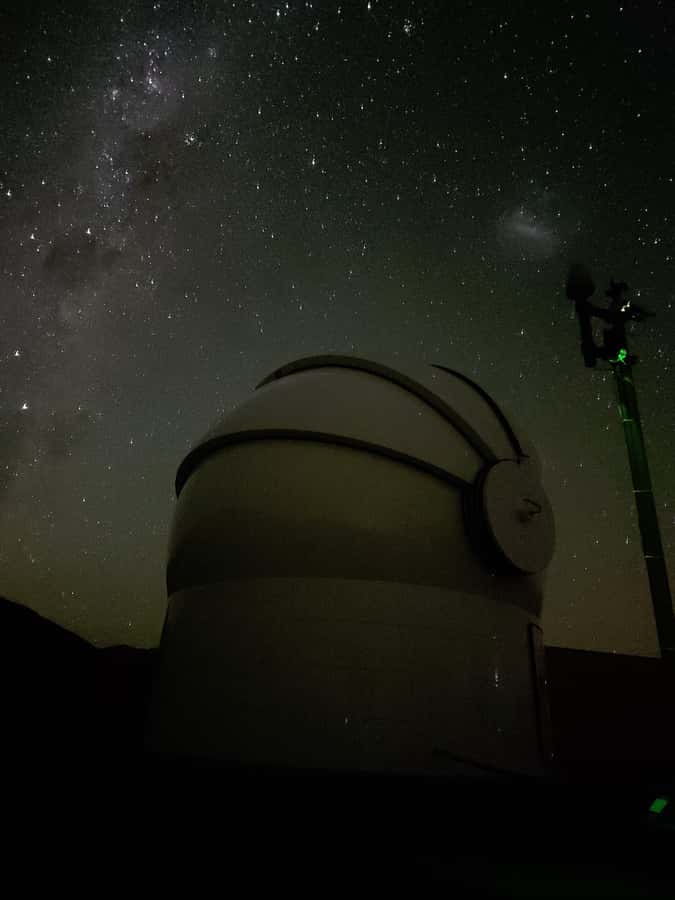
The best show begins after sunset. This six-hour trip from La Serena takes you into the Elqui Valley and the Gabriela Mistral Dark Sky Sanctuary, where dry air, high altitude, and very little artificial light create excellent conditions for viewing the southern sky. I especially like the small groups of no more than eight people and the chance to use serious 16-inch or 25-inch telescopes rather than simply looking up with the naked eye. I also like that the tour includes time in Vicuña and a sunset stop, so the evening is not just a long drive to a dark hillside.
The main drawback is the moon. Tours do not operate close to the full moon because its light weakens the view of faint objects, so you need to plan around the lunar calendar. The six-hour schedule also includes about two hours of driving from La Serena, making this a better choice for people who see the journey as part of the experience, not just transportation.
In This Review
- Key points about the Pangue Observatory night
- Why Pangue is such a strong place for stargazing
- The drive from La Serena to Vicuña
- Sunset and mountain views at Pangue
- Looking through 16-inch and 25-inch telescopes
- The guide makes the difference
- Coffee, tea, and a comfortable pause
- The return through Vicuña and back to La Serena
- Is $225 a fair price?
- Plan around the moon, not just your calendar
- Who should book this experience?
- Should you book Pangue Observatory?
- FAQ
- Where does the Pangue Observatory tour begin?
- How long does the experience last?
- How many people can join the tour?
- Which languages are available?
- What can I see through the telescopes?
- What should I bring?
- Why should I avoid nights near the full moon?
Key points about the Pangue Observatory night
- The sky is the star of the evening: Pangue sits about 1,500 meters above sea level in the pre-Andean range, under the Gabriela Mistral Dark Sky Sanctuary.
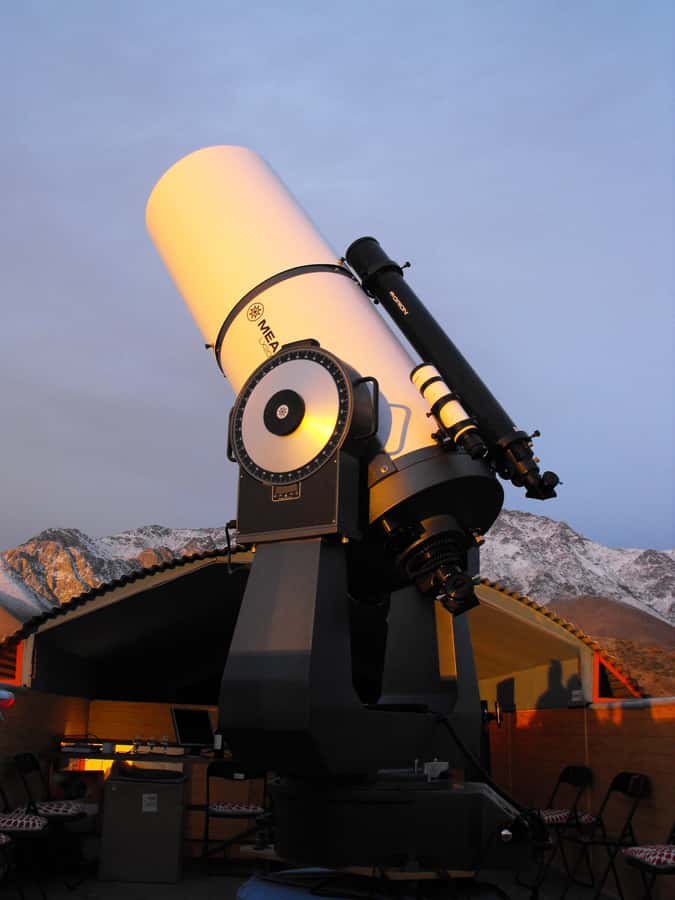
- You use large, advanced telescopes: Depending on the evening and conditions, observations use 16-inch or 25-inch telescopes with specialized eyepieces.
- Expect more than 10 celestial targets: The program can include planets, nebulae, clusters, galaxies, massive blue stars, red dwarfs, and supernova remnants.
- The group stays small: No more than eight participants allows time for questions and repeated turns at the eyepiece.
- Vicuña breaks up the drive: You have about 15 minutes there on the way, with time to visit and get your bearings.
- The tour is weather and moon dependent: Book at least 24 hours ahead, and avoid dates close to the full moon.
Why Pangue is such a strong place for stargazing
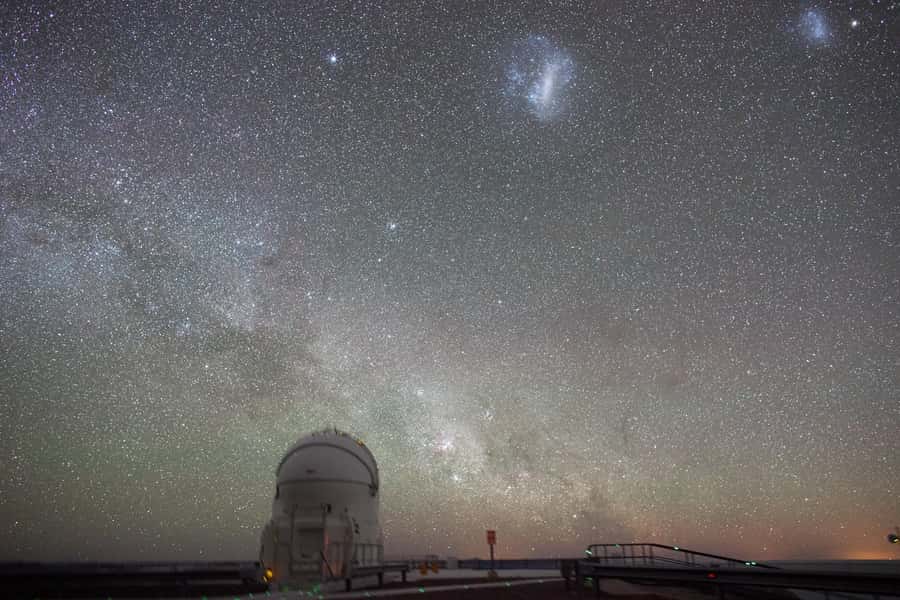
Chile is famous for astronomy, and Pangue gives you a chance to experience that setting without being part of a large observatory operation. The observatory is in the Elqui Valley, around 1,500 meters above sea level, in a dry mountain environment with clear, transparent skies.
Pangue is positioned in front of major research facilities including Tololo, SOAR, Gemini, and the Vera Rubin Observatory. The point is not that you will tour those scientific facilities. You will not. Their presence shows why this part of Chile matters to astronomers: the region offers the combination of altitude, dryness, and dark skies that modern telescopes need.
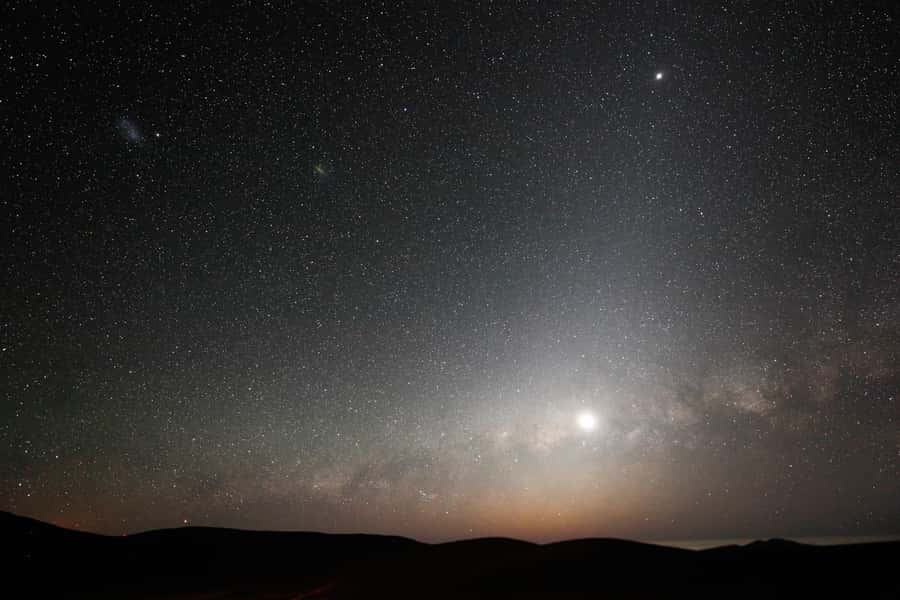
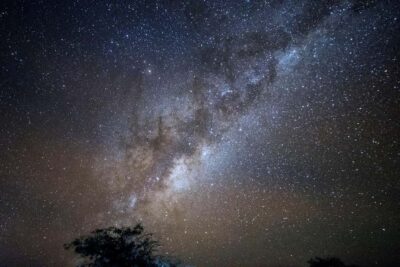
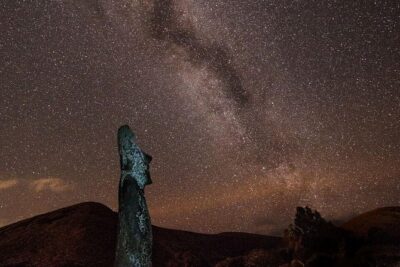
For you, that translates into a darker background behind the stars. Bright city lights can wash out faint nebulae and galaxies. At Pangue, the center of the Milky Way becomes a major part of the view, especially when the moon is not bright enough to compete with it.
The setting also gives the evening a sense of place. You are not stepping into a planetarium with a fixed ceiling and a programmed show. You travel into the mountains, watch the light fade, and then use telescopes pointed at objects that change with the season and the time of night.
More nights under the Atacama sky:
- San Pedro de Atacama: Etno-Stargazing Tour with Transfer
★ 4.8 · 629 reviews - San Pedro de Atacama: Stargazing Experience
★ 4.7 · 489 reviews - Astronomical Tour with Guide and Pick Up San Pedro de Atacama
★ 4.5 · 145 reviews
The drive from La Serena to Vicuña
Pickup is available at your accommodation in La Serena or nearby areas. You need to wait at the reception rather than at a roadside meeting point, which makes the start easier, especially if you are staying at a hotel with several entrances.
The first part of the trip is a scenic drive of about one hour. The route takes you toward Vicuña and the Elqui Valley, shifting the mood from coastal city to inland mountain country. The drive matters because Pangue is not a quick city excursion. You are going to a remote observing site, and the transfer is part of the price and the practical reason this tour can fit into one evening.
After reaching Vicuña, the group has about 15 minutes for a break and a short visit. That is not enough time for a full town tour, but it gives you a chance to stretch your legs, use facilities if needed, and see a little of one of the valley’s best-known towns.
I would treat Vicuña as a pleasant pause rather than the main attraction. If you want extensive time in town, plan a separate daytime visit. On this tour, the real aim is to reach Pangue before the sunset and observing session.
Sunset and mountain views at Pangue
The Pangue portion lasts about two and a half hours. This includes the visit, guided explanation, sunset, views along the way, and the astronomy program.
Arriving before full darkness is useful. You can see the mountain setting and the observatory surroundings before the night sky takes over. It also gives you time to settle in instead of arriving and immediately trying to find a telescope in the dark.
The sunset adds a simple but important rhythm to the evening. First, you get visible scenery. Then the color fades, the sky darkens, and the purpose of the visit becomes clear. A stargazing tour can feel abstract if it begins in total darkness. Pangue gives you a gradual transition from earthbound views to the night sky.
Bring comfortable clothing and a long-sleeved shirt. Even if La Serena feels mild at the start, mountain conditions after sunset can feel much cooler. The supplied information does not specify loaned blankets or warm clothing, so dress for a chilly outdoor evening rather than assuming the vehicle or coffee area will keep you warm.
Looking through 16-inch and 25-inch telescopes
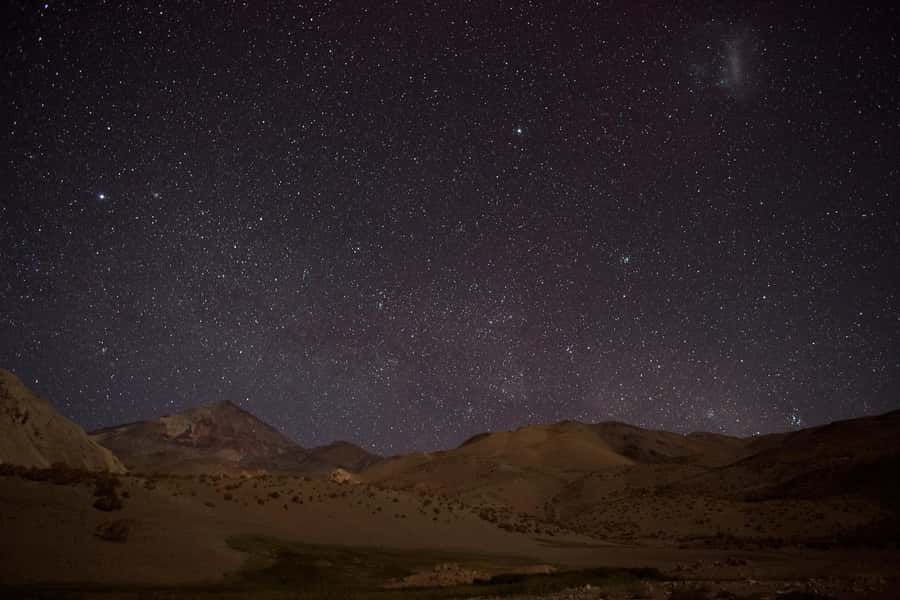
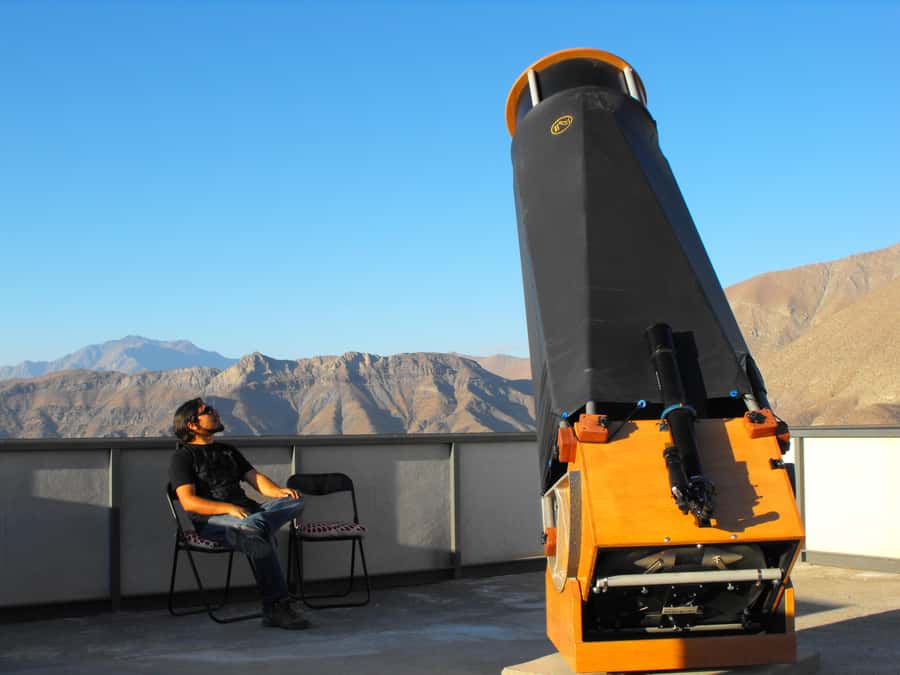
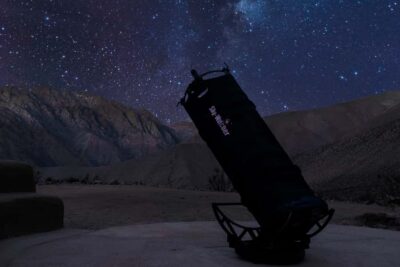
The equipment is one of the clearest reasons to consider this tour. Pangue uses advanced telescopes and eyepieces, including 16-inch and 25-inch instruments. A larger telescope gathers more light, which can help reveal faint objects and bring more detail into view.
That does not mean every target will look like a bright space photograph. Telescope views depend on the object, the night, the moon, and the observer’s eye. A galaxy may appear as a soft shape rather than a colorful spiral. A nebula may show as a pale cloud. The reward comes from seeing a real object far away with your own eyes, not from matching a processed image on a screen.
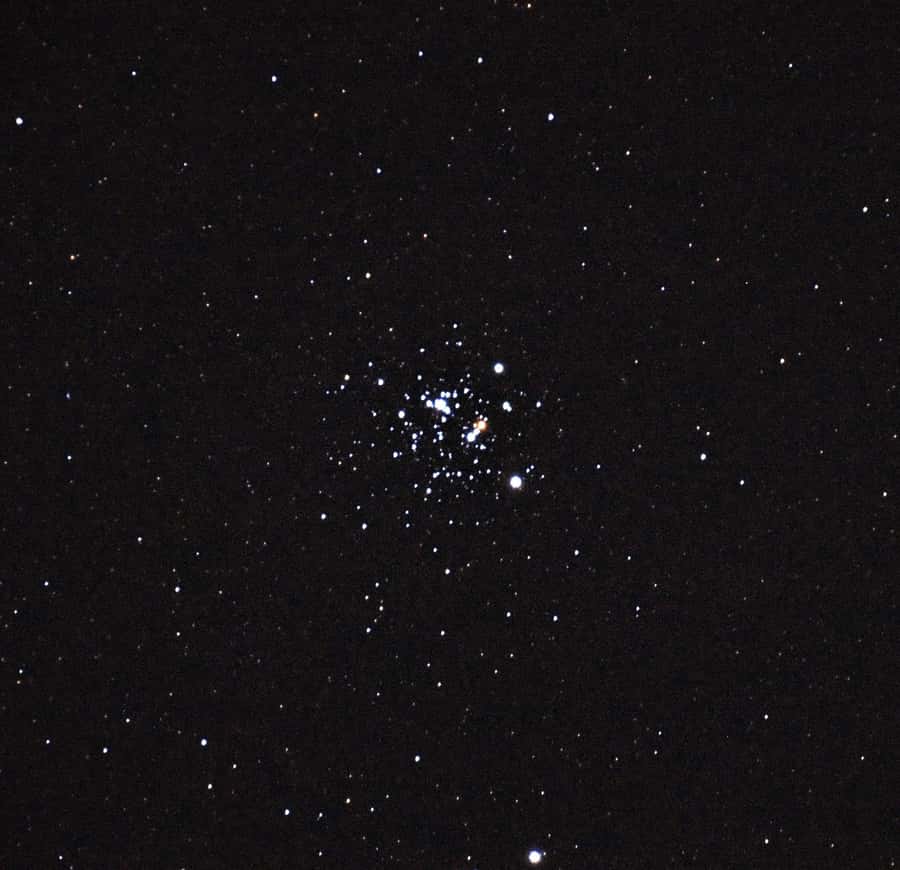
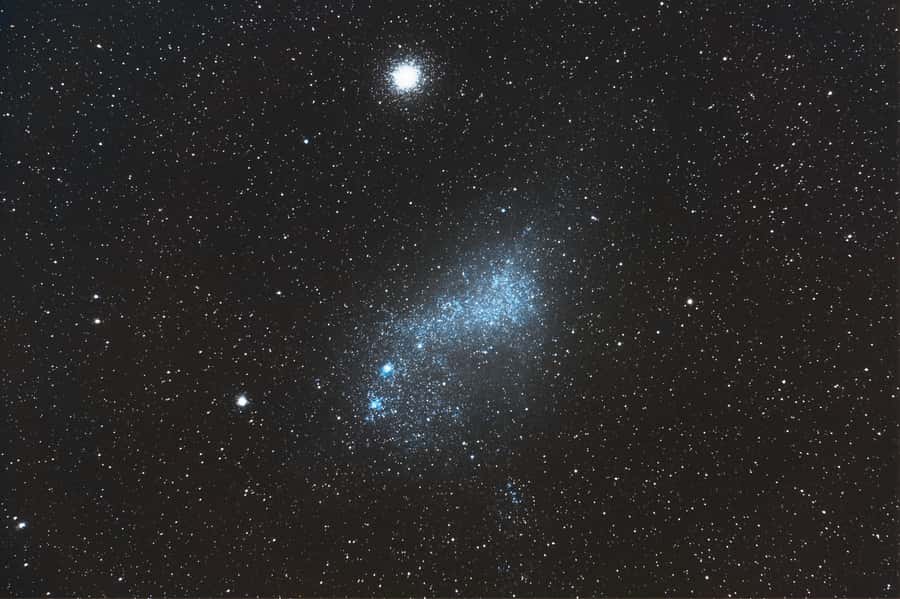
The program covers more than 10 stellar objects. Possible targets include planets, nebulae, star clusters, galaxies, massive blue stars, red dwarfs, and supernova remnants. The selection will vary, since not every object is visible at the same hour or time of year.
Planet viewing can be especially satisfying because the objects have recognizable forms. One recent participant described seeing Mars, Saturn, and Jupiter clearly, along with a supernova and a dying star. That combination gives the session range: nearby planets, distant star systems, and objects connected to the final stages of stellar life.
The advanced eyepieces matter, too. Good equipment is only useful if the guides explain what you are seeing and give everyone enough time at the telescope. A group capped at eight helps here. With six people, one participant reported having enough time to ask questions and view several objects through the telescope. That is the kind of small-group advantage you should look for in an astronomy tour.
A completely different sort of day out of Chile:
- Santiago: Cajon del Maipo/Embalse del Yeso Tour with Picnic
★ 4.3 · 3,789 reviews - Santiago: Vina Del Mar, Valparaiso, Casablanca & Reñaca Tour
★ 4.2 · 2,838 reviews - Small-Group Cajón del Maipo Full-Day Tour and Picnic
★ 4.5 · 2,277 reviews - Santiago: Cajon del Maipo & Embalse El Yeso Trip with Picnic
★ 4.5 · 1,859 reviews
The guide makes the difference
The tour is offered in English, French, and Spanish. A live guide leads the experience, and the observation is described as specialized and personalized rather than a simple telescope demonstration.
Cristobal is specifically named as one of the people involved with the experience. His help with questions, timing, and practical needs received particular praise, while the observatory guides were also described as clear and helpful. That matters because astronomy can quickly become a lesson filled with terms you do not know. A good guide turns the equipment into a story you can follow.
You should expect explanations of the objects being viewed and time to ask questions. You may hear about how stars differ, why some objects look brighter than others, and how a supernova remnant or dying star fits into the larger life of a star. The supplied details do not promise a fixed lecture or a guaranteed list of named objects, so keep your expectations flexible.
The small format also helps if you are new to astronomy. You do not need to arrive with technical knowledge. You only need patience, warm clothing, and a willingness to let your eyes adjust to darkness.
Coffee, tea, and a comfortable pause
Pangue has a small coffee area with comfortable seats. Free coffee, water, and tea are available.
This may sound minor, but it improves a six-hour evening. You are not standing beside a telescope without pause. You have somewhere to sit between observations, take a drink, and warm up. It also gives the group a natural place to continue talking with the guide.
Do not mistake the coffee area for a full meal stop. No meal is listed, so eat beforehand or plan accordingly. Alcoholic drinks are not allowed in the vehicle, and bringing alcohol is not a sensible match for a mountain drive and a focused astronomy session anyway.
The return through Vicuña and back to La Serena
After the observatory visit, the group travels by bus through Vicuña for about 30 minutes, then continues for about one hour back to La Serena. You arrive at the city after a long evening, so this is not the best plan if you have an early departure the next morning.
The return drive can be useful downtime after concentrating at the eyepiece. It also means you do not have to find your own way back from a remote mountain location after dark. Pickup and return transport are part of the practical value of the tour.
The timing is listed as six hours, though the individual portions add up to a little less when read as simple travel blocks. Start times depend on availability and sunset conditions. Confirm the exact pickup and return time when you book, especially if you have dinner reservations or another evening plan.
Is $225 a fair price?
At $225 per person, Pangue is not a budget night out. You are paying for private-style transport from La Serena, a small group, a multilingual guide, access to large telescopes, and a visit to a major astronomical region.
I think the value is strongest for people who specifically want telescope time. A cheaper outing that only drives you to a dark place for a short explanation may be enough if your goal is simply to see the Milky Way. Pangue makes more sense if you want to examine several objects and ask questions without standing in a large queue.
The group limit is important here. Eight people is still a group, but it is small enough to make individual telescope time realistic. If the group has six people, as reported during one visit, the experience should feel more relaxed than a crowded astronomy event.
The price is harder to justify if you are mainly interested in Vicuña. You only have around 15 minutes there on the way, so this is not a town sightseeing tour with stargazing added on. It is an astronomy trip with a short valley stop.
Plan around the moon, not just your calendar
The most important booking tip is to avoid nights close to the full moon. Moonlight creates natural light pollution and can hide the faint objects that make a dark-sky site special.
Check the lunar phase before choosing your date. A full moon is not a reason to avoid Chile, but it is a reason to choose another night for this particular activity. The operator also advises booking at least 24 hours ahead. Same-day availability can be limited, especially for a tour capped at eight people.
The program depends on clear enough skies for observing. The supplied information does not state a specific weather guarantee or replacement activity, so ask about the policy if the forecast looks poor. Free cancellation is available up to 24 hours before the tour, and you can reserve now and pay later, which gives you some planning flexibility.
Who should book this experience?
I would choose Pangue if you are staying in La Serena and want a serious introduction to astronomy without arranging your own transport into the mountains. It suits couples, families with older children, and curious beginners who appreciate a guide and do not mind a late return.
It is also a good fit for experienced stargazers who want access to large telescopes in the southern hemisphere. The range of possible targets, from planets to galaxies and stellar remnants, gives the evening more depth than a simple Milky Way photo stop.
You may want another plan if you use a wheelchair, since the experience is not suitable for wheelchair users. You should also think twice if you dislike long evening drives, need a full meal during the tour, or want a large amount of free time in Vicuña.
The strongest praise centers on the staff, the small group, and the variety of objects visible through the telescopes. The experience received a 4.2 rating from five ratings, with three detailed accounts giving it five stars. That is a small sample, but the pattern is useful: the people guiding the session and the amount of telescope time appear to be major strengths.
Should you book Pangue Observatory?
Book it if you want more than a pretty sky. The combination of the Gabriela Mistral Dark Sky Sanctuary, high mountain air, large telescopes, and a group of no more than eight gives you a real chance to study the southern heavens rather than simply photograph them.
Choose a date far from the full moon, reserve at least a day ahead, and wear a long-sleeved layer. If you can accept the $225 price and the two-hour-plus round trip from La Serena, Pangue offers a focused, personal astronomy evening with enough variety to keep both beginners and serious sky watchers interested.
FAQ
Where does the Pangue Observatory tour begin?
Pickup is provided from your accommodation in La Serena or nearby areas. You need to wait at the reception of your accommodation.
How long does the experience last?
The tour lasts about six hours, including transportation between La Serena, Vicuña, and Pangue Observatory.
How many people can join the tour?
The group is limited to eight participants.
Which languages are available?
The live tour guide service is available in English, French, and Spanish.
What can I see through the telescopes?
The program may include more than 10 objects, such as planets, nebulae, clusters, galaxies, massive blue stars, red dwarfs, and supernova remnants.
What should I bring?
Wear comfortable clothes and bring a long-sleeved shirt for cooler conditions after sunset.
Why should I avoid nights near the full moon?
Moonlight creates light pollution and can make faint astronomical objects harder to see. The stargazing tour is not operated on nights close to a full moon.
Just added around Chile
- Cejar & Tebenquiche Lagoons Tour with Ojos del Salar Atacama★ 3.4 · 3 reviews
- San Pedro de Atacama: Valle de la luna★ 3.0 · 3 reviews
- Atacama Desert: Floatation in Laguna Cejar and Sunset★ 3.1 · 3 reviews
- Valparaíso: city tour and ticket to the house of Pablo Neruda★ 5.0 · 3 reviews
- Astronomical Tour: San Pedro de Atacama – Chile★ 4.5 · 3 reviews
- Puerto Montt: Osorno Volcano Tour Shore Tour in Private★ 4.6 · 3 reviews
- San Pedro de Atacama: Astronomical Tour★ 3.9 · 3 reviews
- Valle de la Luna: A Moon-Like Escape in Atacama★ 5.0 · 3 reviews
Atacama Stargazing & Astronomy Tours, compared.
Astronomical Tour with Guide and Pick Up San Pedro de Atacama
Read our review →
“Astronomical Adventure in San Pedro de Atacama”
Read our review →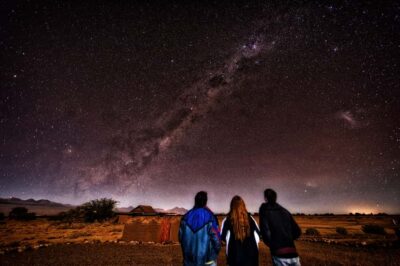
Pisco Elqui: Mountaintop Stargazing and Night Portrait
Read our review →Browse the lists this tour appears in