
Reviewed · ATACAMA STARGAZING & ASTRONOMY TOURS
San Pedro de Atacama: Astronomical Tour
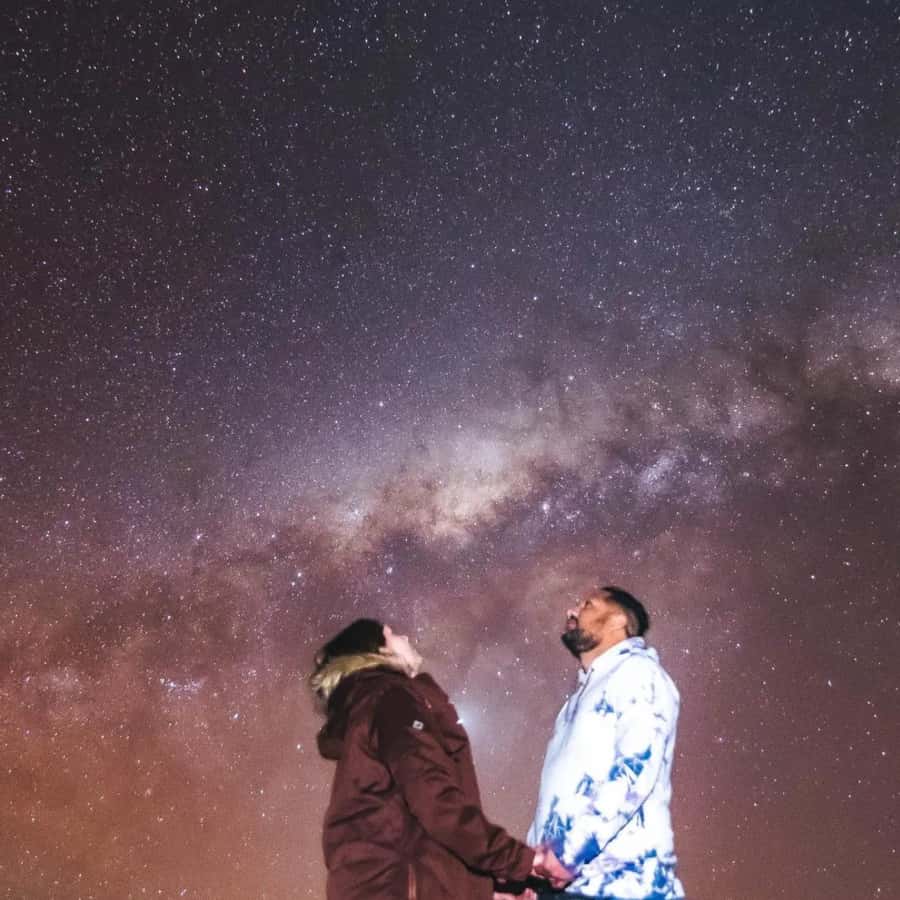
The desert saves its best show for dark. San Pedro de Atacama’s astronomical tour takes you away from town lights for a small-group night under the stars, with telescopes, hot drinks, and an introduction to Andean views of the sky. I like the included transfer from San Pedro and the chance to hear how local cultures understood constellations, not just how to point a telescope upward. The main caution is service follow-up: one verified booking from June 2024 reports delayed photos and poor agency communication.
At $65 per person for two hours, this is a fair buy if you want a guided introduction rather than a do-it-yourself look at the sky. The listed rating is 3.9 from three reviews, so I would treat this as a promising experience with a small but limited record of customer feedback. Bring patience, warm clothes, and realistic expectations about the short running time.
In This Review
- Key points at a glance
- Why San Pedro is a fine place to study the stars
- Meeting at Plaza Turistour and leaving San Pedro
- The desert night sky without city glare
- What the telescopes add to the evening
- Andean interpretations of stars and constellations
- Hot drinks and the practical reality of desert cold
- Is $65 a fair price for two hours?
- The photo issue you should know before booking
- Who will enjoy this astronomical tour most?
- Final call: book it for a guided first look
- FAQ
- Where does the astronomical tour begin?
- How long does the tour last?
- Is transportation included?
- Are telescopes provided?
- What languages are available?
- How many people can join the group?
- Are hot drinks included?
- Can I cancel for a refund?
Key points at a glance
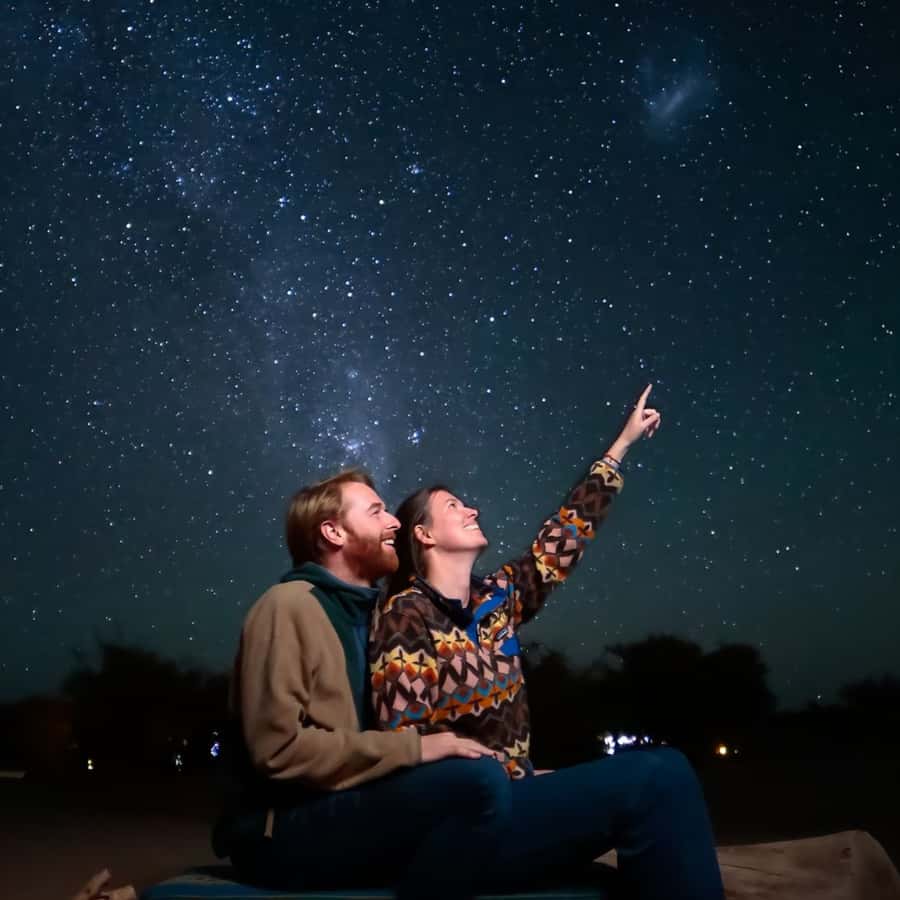
- Only two hours long: A compact evening activity that fits neatly around a full day of desert sightseeing.
- Limited to 10 people: The small group should make it easier to look through the telescopes and ask questions.
- Transport starts and ends in San Pedro: Meet at Plaza Turistour, then ride out to a darker site in the desert.
- Telescopes are included: You do not need to bring your own equipment to take part.
- Andean sky stories add local context: The tour covers traditional meanings attached to stars and constellations.
- Hot drinks are provided: A useful comfort on a cold desert night, especially while standing outdoors.
Why San Pedro is a fine place to study the stars
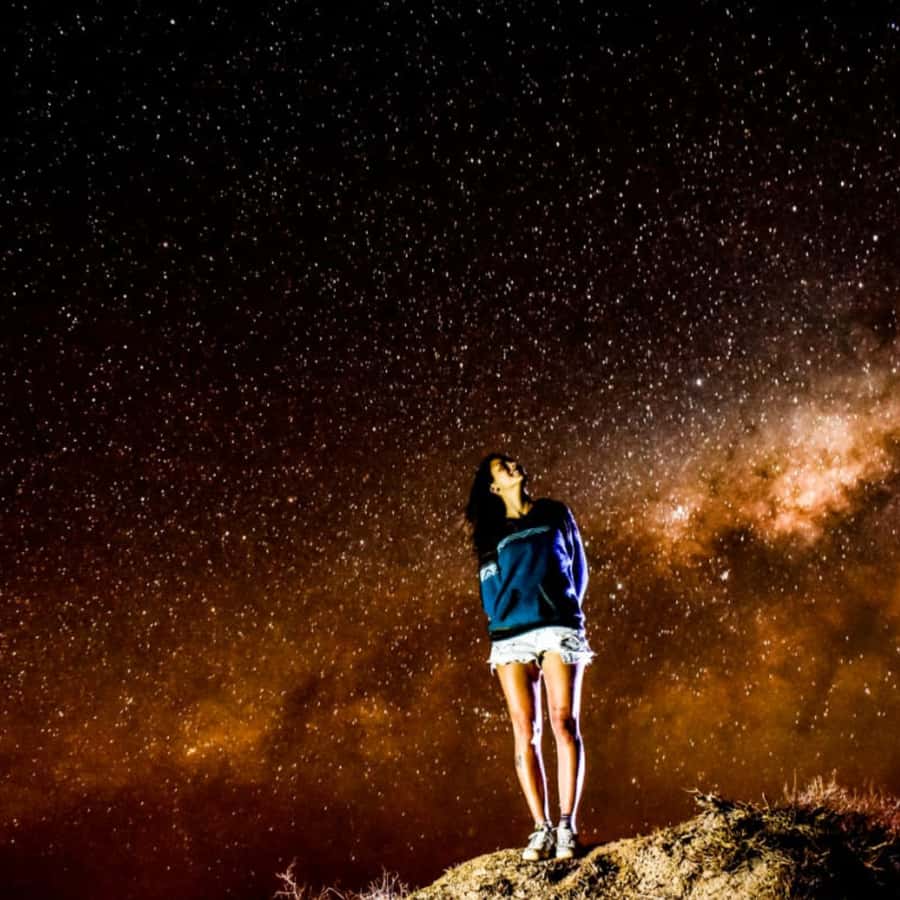
The Atacama Desert is famous for its dryness and clear nights. The tour information describes roughly 300 days without rain, and that arid climate is a major reason the region is so popular for astronomy. Less moisture in the air can mean cleaner views, while San Pedro’s desert setting offers much less artificial light than a city.
That does not mean every night will look identical. Clouds, moonlight, visibility, and weather can affect what you see. Still, the basic setting gives this activity a strong advantage before the guide even sets up the first telescope.
I like that the experience is built around the sky itself, not a large entertainment program. You are not being promised a stage show or a long list of attractions. The appeal is simple: leave town, look upward, and let the darkness do much of the work.
The tour also gives you a cultural frame. Andean communities have long attached meaning to stars and constellations, and the guide explains those traditional interpretations. That makes the night more memorable than a string of technical facts alone.
More nights under the Atacama sky:
- San Pedro de Atacama: Etno-Stargazing Tour with Transfer
★ 4.8 · 629 reviews - San Pedro de Atacama: Stargazing Experience
★ 4.7 · 489 reviews - Astronomical Tour with Guide and Pick Up San Pedro de Atacama
★ 4.5 · 145 reviews
Meeting at Plaza Turistour and leaving San Pedro
Your evening begins at Plaza Turistour in San Pedro de Atacama. A specialized guide receives the group there before the transfer into the desert. Since transport is included, you do not need to arrange a separate taxi or figure out how to reach the viewing site after dark.
That transfer is more important than it may first appear. San Pedro is a compact town, but the reason for leaving it is to get beyond its lights. The ride gives the group a clear change of setting, from town streets to an open desert site suited to night observation.
The precise road time and viewing location are not provided, so you should check the meeting instructions and starting time before booking. The activity lasts two hours in total, which includes the transfer and the observation program as part of one short outing.
The small-group limit is 10 people. That is a sensible number for a telescope-based activity. With too many people, each person gets only a quick turn at the eyepiece. A group of this size should give you a better chance to see clearly and ask the guide questions without competing with a crowd.
The desert night sky without city glare
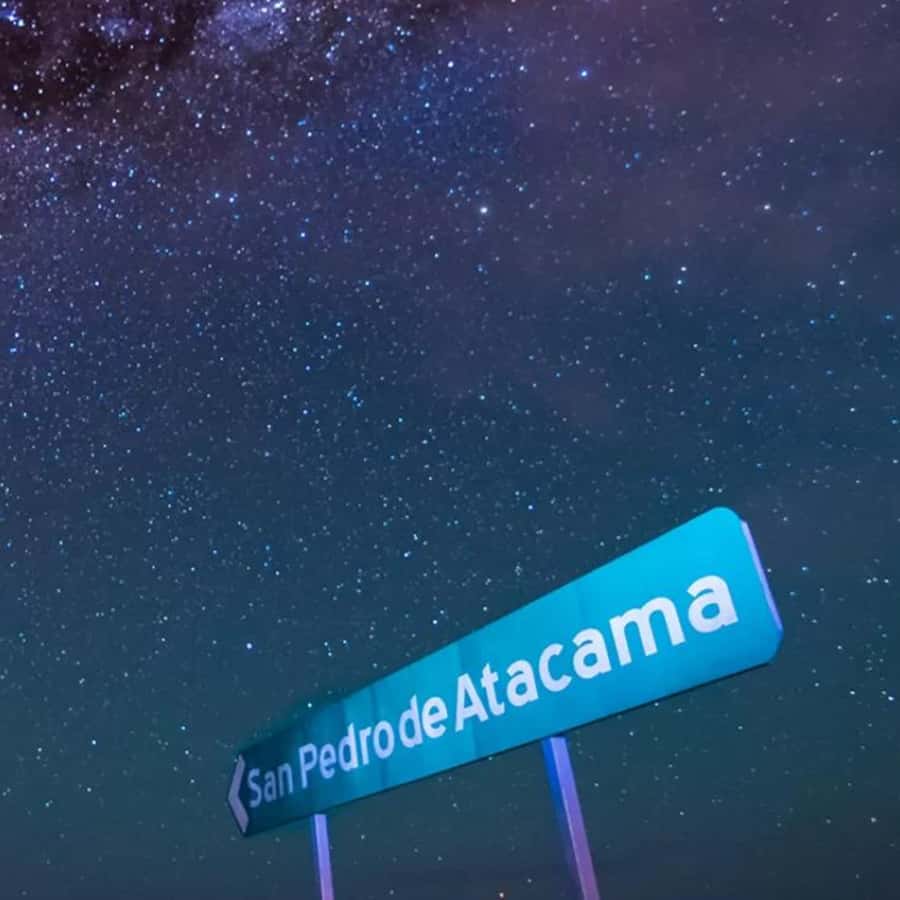
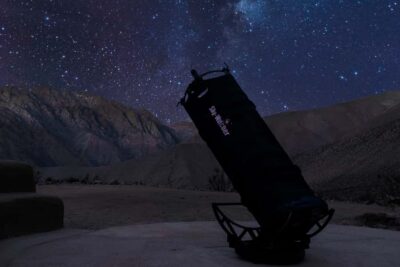
Once you reach the observation site, the central part of the evening begins. The tour presents the Atacama as a natural viewing room, with clean air, dry conditions, and little light pollution. You may see stars that are difficult or impossible to pick out from an urban area.
You do not need a telescope to appreciate the sky here. That is one of the tour’s more convincing points. The unaided view can already feel striking, especially for anyone used to city skies. The telescope then adds another layer by bringing selected objects closer and showing details that your eyes alone cannot resolve.
The exact objects you will see are not specified, so I would not book this expecting a guaranteed list of planets, galaxies, or nebulae. A good astronomy outing responds to what is visible that night. The guide’s job is to help you understand the sky that is actually overhead, rather than follow a fixed script at all costs.
The two-hour format keeps the activity manageable. You get a focused evening rather than a long overnight program. On the other hand, people who already know a lot about astronomy may find the outing too brief. This is best viewed as an accessible introduction, not an advanced observatory session.
What the telescopes add to the evening
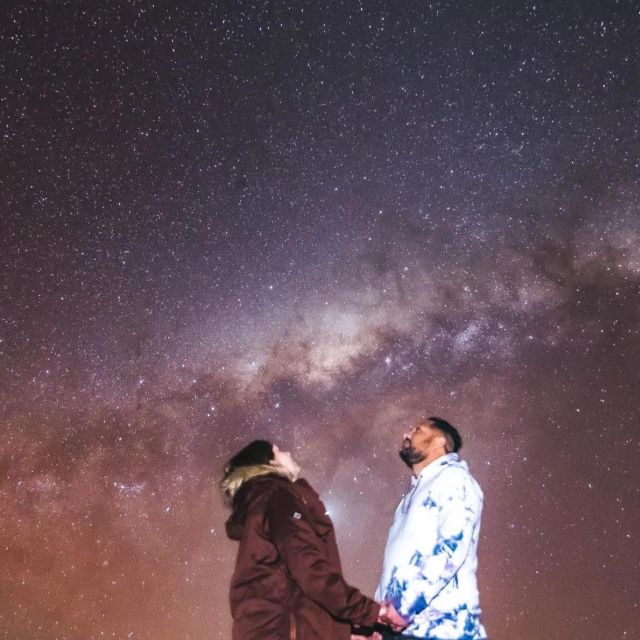
Telescopes are included, along with a local guide and a bilingual guide service. The equipment lets you examine the night sky in a more precise way than you can with your own eyes. For a first astronomy experience, having the guide handle the equipment is a real advantage.
I also like the social rhythm of a shared telescope. You look, step aside, listen, and compare what you saw with the next person. In a group capped at 10, that process should be more comfortable than it would be on a large coach outing.
Still, telescopes are not magic viewing machines. You may need to wait your turn, adjust your eye, or listen carefully to instructions. The quality of the experience depends partly on the guide’s explanations and on conditions that no operator controls.
If you wear glasses, you may need to adjust them at the eyepiece, depending on the equipment. That detail is not specified by the operator, so it is sensible to ask if you have particular visual needs. The tour is listed as wheelchair accessible, which is useful information for anyone planning around mobility concerns, though the exact accessibility of the desert viewing surface is not described.
A few more San Pedro de Atacama trips worth weighing up
- San Pedro de Atacama: El Tatio Geysers Tour
★ 4.7 · 943 reviews - Piedras Rojas, Altiplanics Lagoons & Salar Full-Day Tour
★ 4.7 · 592 reviews - San Pedro Atacama: Baltinache Lagoons
★ 4.6 · 359 reviews - San Pedro de Atacama: Valle de la Luna Guided Tour
★ 4.4 · 312 reviews
Andean interpretations of stars and constellations
The cultural side gives this tour more purpose. The guide explains how local cultures interpreted the night sky over many centuries, including traditional meanings linked to stars and constellations. You are not simply learning names from a modern chart. You are hearing how the sky formed part of an Andean worldview.
That distinction matters. Astronomy can be presented as a list of distances and measurements, but people have always used the stars to tell stories, mark time, and understand their place in the world. The Andean material connects the view above you with the people who have lived under it.
The information provided does not name the individual guides, so I cannot point you toward a particular person. The listed languages are English, Esperanto, and Portuguese. If you need one of those languages, confirm the language arrangement when checking availability, since the description also uses the term bilingual guide.
This part of the program may be especially valuable if you want a taste of northern Chilean culture alongside the scenery. It should also help younger visitors stay interested, since a constellation becomes easier to remember when it has a story attached to it.
Hot drinks and the practical reality of desert cold
Hot beverages are included. That may sound like a small extra, but it is welcome when you are outdoors at night in a dry desert setting. The drink gives you something warm to hold while the group listens and waits for turns at the telescope.
Dress for the night, not for San Pedro’s daytime heat. The supplied details do not specify temperatures or clothing rental, so I would bring warm layers and a jacket rather than assume the desert will feel mild after sunset. The tour description does not list snacks or a meal, so plan to eat beforehand if you need more than a hot drink.
There is an important rule about beverages. Alcohol is not allowed, and the additional information says drinks are not allowed. At the same time, hot beverages supplied by the tour are included. To avoid confusion, treat that rule as a ban on bringing or consuming your own drinks, and confirm the policy with the operator if you need a specific beverage.
The lack of alcohol is not a serious drawback for an astronomy activity. In fact, it helps keep the evening focused and avoids a safety problem in a dark outdoor setting. Just do not arrive expecting a nightcap under the stars.
Is $65 a fair price for two hours?
The price is $65 per person. That includes the transfer from San Pedro, a live guide, local interpretation, hot drinks, telescopic equipment, and the return to town. For someone who would otherwise need to arrange transport and find a safe dark viewing spot, that package has reasonable value.
You are paying for access and guidance as much as for the telescope. The Atacama sky is the star of the show, but the operator gets you away from town, supplies the equipment, and explains what you are seeing. The Andean material adds something that a basic self-guided stargazing stop would not provide.
The value is weaker if you already have access to a telescope, know the night sky well, or simply want to step outside and look up for a few minutes. Two hours is enough for a taste, but not enough for an extended astronomy session with many different targets.
The small group helps defend the price. A maximum of 10 participants gives the activity a more personal feel and should reduce long waits. I would consider $65 reasonable for a first-time visitor who wants an organized, low-hassle night outing, especially if the clear conditions cooperate.
The booking terms also reduce financial risk. You can cancel up to 24 hours in advance for a full refund, and you can reserve now and pay later. Those policies are useful in San Pedro, where changing plans around weather and other desert excursions is common.
The photo issue you should know before booking
The tour may include or produce photographs, but the available information does not clearly list photo delivery as an included service. One verified booking dated June 28, 2024 reports that photos had still not been provided four days after the outing, along with poor support and no clear delivery estimate.
That is the one concrete service warning attached to this experience. If photos matter to you, ask before departure whether they are included, how they will be delivered, and when you should expect them. I would not treat promised photos as guaranteed unless the operator confirms the arrangement in writing.
The report does not prove that every booking has the same problem. It does show why you should separate the value of the actual stargazing program from any photo promise. Enjoy the night for the sky, telescope, and explanations first. Consider pictures a bonus until the process is clear.
Who will enjoy this astronomical tour most?
I would recommend it most strongly to:
- First-time visitors who want an easy introduction to the Atacama sky
- Couples looking for a quiet evening activity
- Families who can manage a short outdoor program after dark
- Portuguese-speaking visitors who want a listed language option
- People who prefer a small group over a large bus outing
- Anyone curious about Andean ideas connected to stars and constellations
You may want something else if you are an experienced amateur astronomer seeking a long, technical session. The two-hour length and general introductory tone are better suited to curious beginners than serious sky-watchers.
It also suits an itinerary with busy daytime excursions. You can spend the day exploring the desert and reserve this for a compact night activity. Since the tour returns to San Pedro, it does not require an overnight stay away from town.
Final call: book it for a guided first look
Book this astronomical tour if you want a short, organized introduction to one of the world’s best-known stargazing regions. The strongest reasons are the dark desert setting, included telescopes, small group of up to 10, hot drinks, and Andean explanations that give the stars a local meaning.
I would pause only if you need a highly technical astronomy program or dependable photo delivery. Before paying, confirm the meeting details, language, current photo policy, and what the no-drinks rule means in practice.
For most first-time visitors to San Pedro de Atacama, $65 is a fair price for two hours of guided sky watching. Go for the stars and the stories, not for a guaranteed photograph.
FAQ
Where does the astronomical tour begin?
The meeting point is Plaza Turistour in San Pedro de Atacama.
How long does the tour last?
The tour lasts two hours.
Is transportation included?
Yes. Transfer from San Pedro to the desert viewing site and the return to San Pedro are included.
Are telescopes provided?
Yes. Telescopic equipment is included in the activity.
What languages are available?
The listed guide languages are English, Esperanto, and Portuguese.
How many people can join the group?
The tour is limited to 10 participants.
Are hot drinks included?
Yes. Hot beverages are included.
Can I cancel for a refund?
You can cancel up to 24 hours in advance for a full refund. You can also reserve now and pay later.
Just added around San Pedro de Atacama
- Cejar & Tebenquiche Lagoons Tour with Ojos del Salar Atacama★ 3.4 · 3 reviews
- San Pedro de Atacama: Valle de la luna★ 3.0 · 3 reviews
- Atacama Desert: Floatation in Laguna Cejar and Sunset★ 3.1 · 3 reviews
- Astronomical Tour: San Pedro de Atacama – Chile★ 4.5 · 3 reviews
- Valle de la Luna: A Moon-Like Escape in Atacama★ 5.0 · 3 reviews
- Piedras Rojas, Altiplanics Lagoons & Salar Full Day Tour★ 4.4 · 3 reviews
- Full Desert. The most complete program you will find★ 3.2 · 3 reviews
- San Pedro de Atacama: Rainbow Valley & Good Herbs Tour★ 4.3 · 3 reviews
Atacama Stargazing & Astronomy Tours, compared.
Astronomical Tour with Guide and Pick Up San Pedro de Atacama
Read our review →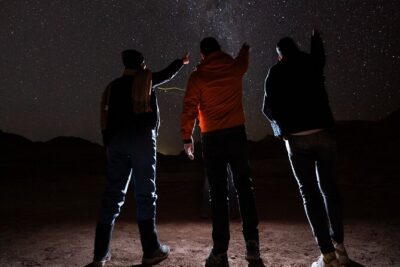
“Astronomical Adventure in San Pedro de Atacama”
Read our review →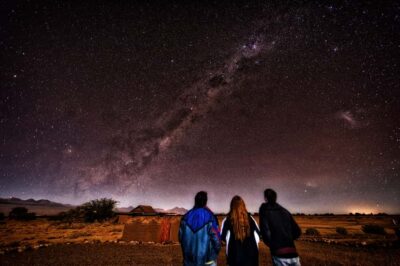
Pisco Elqui: Mountaintop Stargazing and Night Portrait
Read our review →Browse the lists this tour appears in