
Reviewed · ATACAMA STARGAZING & ASTRONOMY TOURS
Chile: Astronomical Tour in the Atacama Desert
Stars here are worth staying up for. This 150-minute night tour uses the Atacama Desert’s dry air, high altitude, and low light pollution to make the sky the main event. I especially like the enthusiastic bilingual guides and the chance to view the moon, Saturn, nebulae, and star clusters through a telescope. The included cocktail and two photographs also add a pleasant finish.
The main drawback is organization around pickup. The operator confirms collection between 9:00 and 9:30 p.m., yet one booking involved an extra 90-minute wait after incorrect timing and location details. I would confirm your hotel address and pickup time carefully on the day.
In This Review
- What makes this Atacama stargazing tour worth considering
- Why the Atacama sky matters
- Beginning the evening between 9:00 and 9:30 p.m.
- Meeting the guides and learning the celestial sphere
- What you can see through the telescopes
- Astrophotography, two photographs, and phone tips
- A cocktail under the stars
- How the 150 minutes feel
- Is $100 a fair price?
- Who should book this activity?
- Practical advice for a smoother night
- Should you book the Atacama astronomical tour?
- FAQ
- How much does the astronomical tour cost?
- How long does the tour last?
- What languages are available?
- What time is hotel pickup?
- Is transportation included?
- What is included in the price?
- Can I cancel or pay later?
What makes this Atacama stargazing tour worth considering
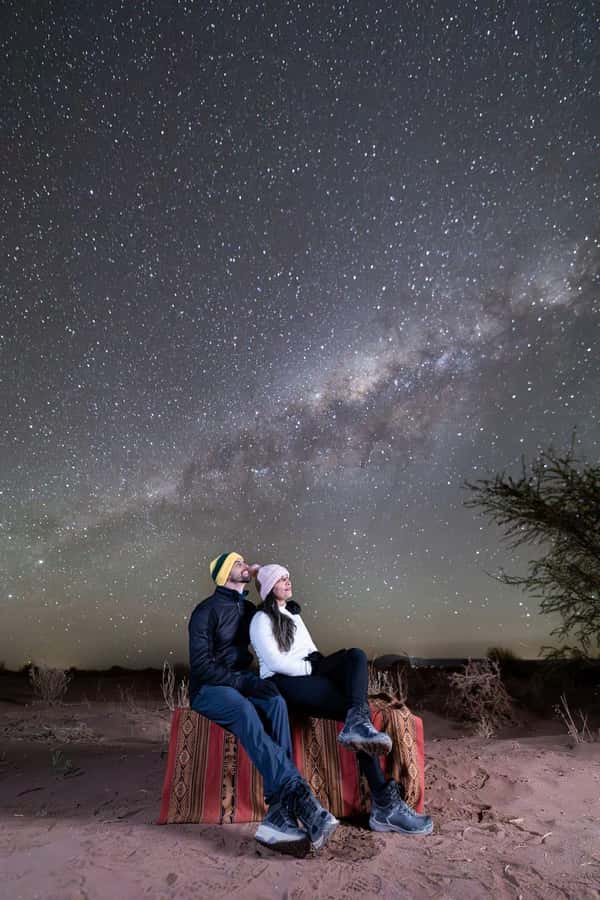
- The desert sky does most of the work: Dry air and little light pollution create sharp conditions for seeing stars and planets.
- Telescope time is central: You may view moon craters, Saturn’s rings, nebulae, and star clusters with the provided equipment.
- The guides earn the strongest praise: Their enthusiasm, personality, and clear explanations turn a sky-watching session into a proper astronomy lesson.
- You get a social night out: A cocktail and drinks bar make the waiting and viewing periods more relaxed.
- Astrophotography is part of the experience: Guidance is offered for cameras and smartphones, with two photographs included.
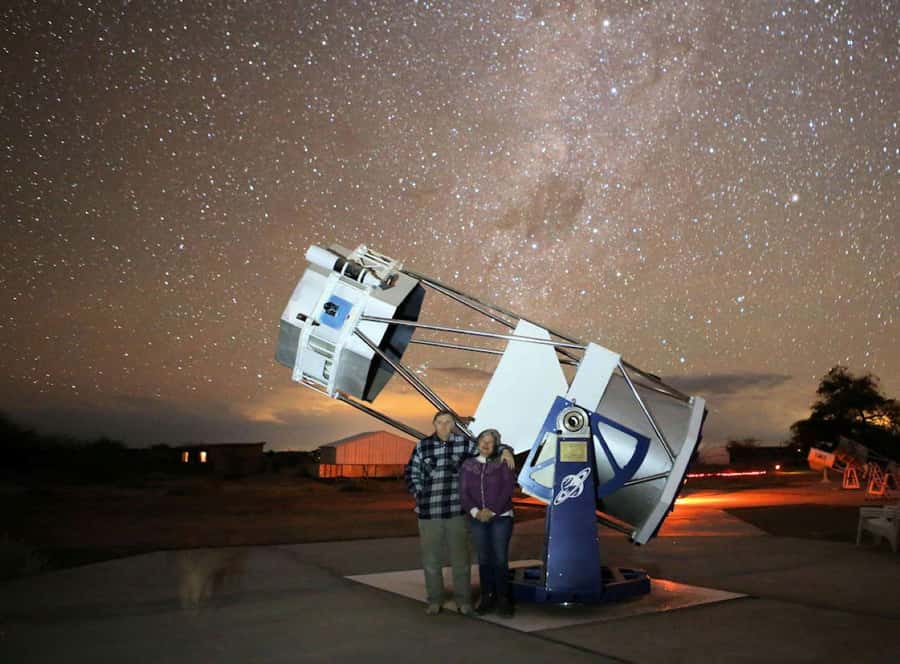
- Equipment may differ from the promotional image: One visitor expected a much larger telescope, though the newer equipment still supported a very good session.
Why the Atacama sky matters
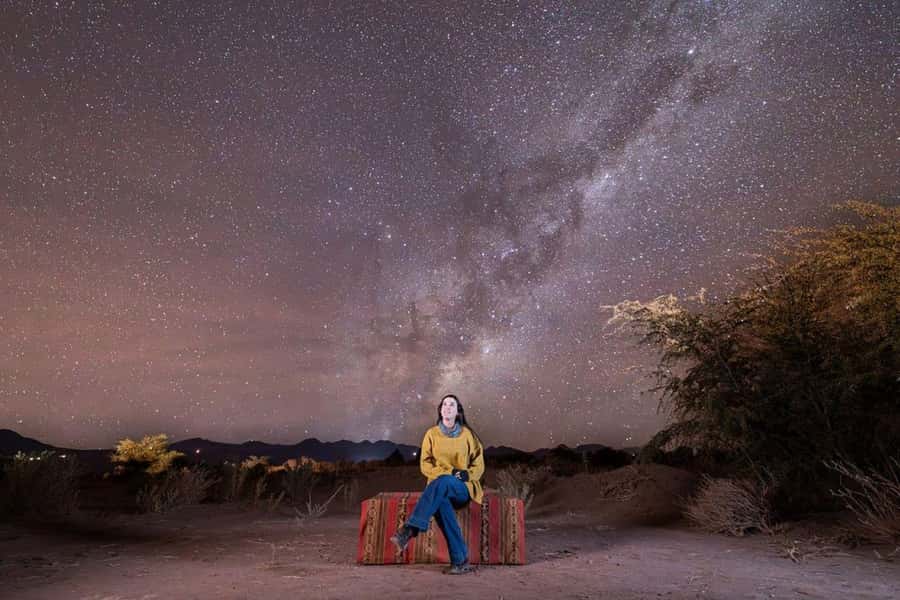
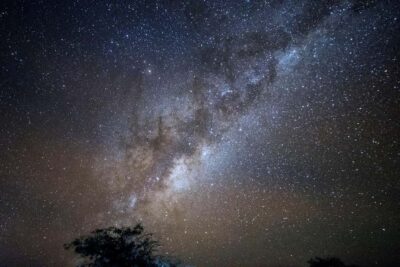
The Atacama Desert is a natural astronomy classroom. Its high altitude, dry climate, and limited light pollution reduce many of the conditions that make city stargazing frustrating. Instead of fighting streetlights and damp air, you can spend the evening looking upward with a much clearer view.
That does not mean every night will look identical. Moonlight, cloud cover, and the time of year affect what you see. One particularly useful point from the tour experience is that the telescopes can still produce good views when the moon is bright. A visit in a crescent-moon phase still delivered worthwhile images and observations.
I like that the tour does not treat astronomy as a silent exercise in pointing at stars. The guide explains what you are seeing and why it matters. You learn about the movement of celestial bodies, the life cycle of stars, and the stories attached to constellations.
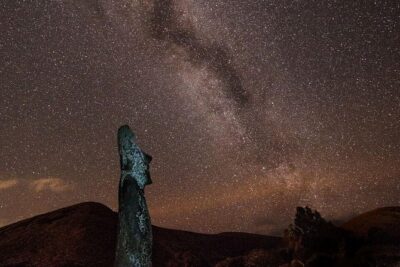
The cultural side adds welcome depth. You hear how earlier societies used the stars for navigation, farming, and storytelling, then connect those old habits with modern astronomy and current discoveries. That mix gives the evening more meaning than simply taking a few pictures of the Milky Way.
More nights under the Atacama sky:
- San Pedro de Atacama: Etno-Stargazing Tour with Transfer
★ 4.8 · 629 reviews - San Pedro de Atacama: Stargazing Experience
★ 4.7 · 489 reviews - Astronomical Tour with Guide and Pick Up San Pedro de Atacama
★ 4.5 · 145 reviews
Beginning the evening between 9:00 and 9:30 p.m.
Your evening begins with hotel collection, but this is the part that needs the most care. The stated pickup window is between 9:00 and 9:30 p.m., and the operator confirms the exact time on the day of the tour.
Enter your hotel name and full address when booking. Then keep your phone available for the confirmation. The return transfer to your hotel is included, while pickup is listed separately as not included, so check exactly what applies to your booking before paying.
The conflicting pickup information in one booking is not a minor issue. Waiting 90 extra minutes at night can sour the start of an otherwise excellent activity. I would contact the operator on the day, confirm the meeting point, and avoid assuming that the general time window is your exact collection time.
Once you are on the way, the transfer serves a useful purpose: it takes you away from the stronger lights around town. One person specifically appreciated moving a short distance from Atacama, where the sky looked better. That small change in location matters when you are trying to see faint stars and distant objects.
Meeting the guides and learning the celestial sphere
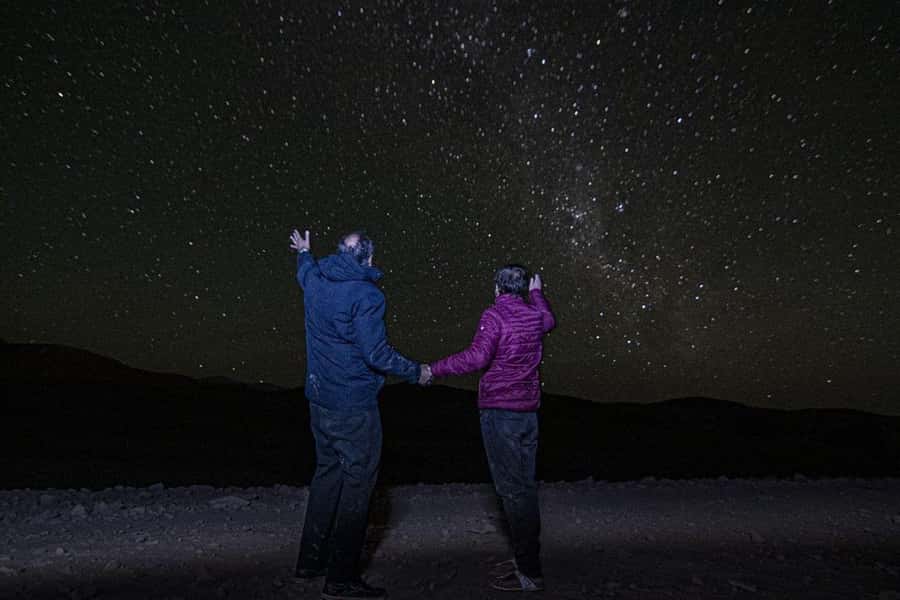
The guides are the heart of this activity. They speak Spanish and English, and their role goes well beyond operating a telescope. They explain the celestial sphere, point out constellations, and connect the stars to mythology and science.
I value this format because the night sky can feel confusing at first. A guide gives you a framework. Instead of seeing a mass of bright points, you learn how celestial bodies move and how people have interpreted them across time.
The strongest praise is directed at the guides’ enthusiasm and personality. That is important in a late-night activity. A dry lecture would be hard to enjoy after a full day in the desert, but an animated guide can keep the group interested while still teaching real astronomy.
The scientific explanations also make the tour useful for beginners. You do not need previous astronomy experience to take part. At the same time, someone already interested in the subject can ask questions about stars, planets, galaxies, and observation methods.
No individual guide names are provided, so I cannot tell you who will lead your session. The useful point is that the quality of the evening depends heavily on the guide assigned to your group. Based on the available feedback, this is the part that most consistently gives the experience its character.
What you can see through the telescopes
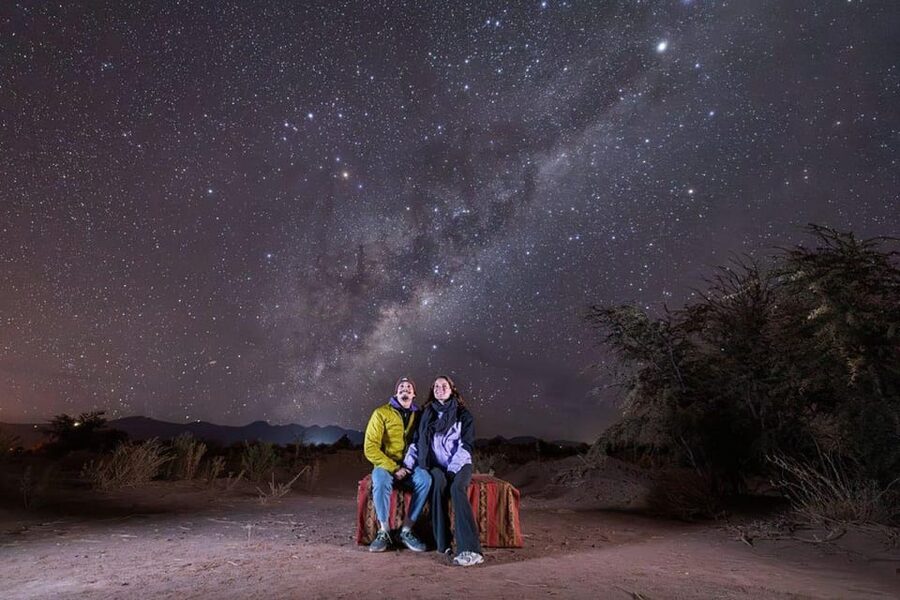
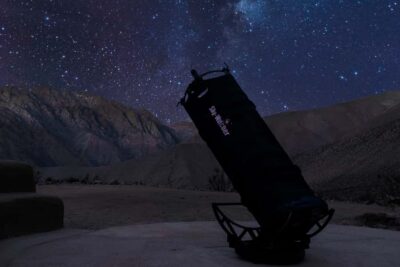
The telescope session is the practical center of the tour. You use large, high-quality equipment to bring distant objects closer, with the guide adjusting the viewing and explaining what appears in front of you.
The advertised viewing possibilities include:
- Craters on the moon
- Saturn’s rings
- Nebulae
- Star clusters
- Distant stars, planets, and galaxies
Exactly what appears depends on the night. A bright moon may reduce the visibility of some faint objects, but it can also make the lunar surface especially rewarding. One session took place with a crescent moon and still produced good telescope views and striking images.
Keep your expectations realistic about the equipment. A promotional photograph may show a very large telescope, but one person found that the exact oversized model pictured was not present. The equipment available was described as relatively new and still worked well.
That distinction is worth noting. You are paying for guided observation, not simply access to one specific telescope model. The guide’s skill, the darkness of the location, and the objects visible that night all affect the result.
The session should suit both serious sky-watchers and curious first-timers. You get a chance to look through the equipment yourself, but the explanations prevent the experience from becoming a long queue for a quick glance.
A few more San Pedro de Atacama trips worth weighing up
- San Pedro de Atacama: El Tatio Geysers Tour
★ 4.7 · 943 reviews - Piedras Rojas, Altiplanics Lagoons & Salar Full-Day Tour
★ 4.7 · 592 reviews - San Pedro Atacama: Baltinache Lagoons
★ 4.6 · 359 reviews - San Pedro de Atacama: Valle de la Luna Guided Tour
★ 4.4 · 312 reviews
Astrophotography, two photographs, and phone tips
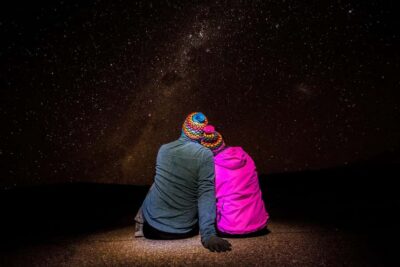
The Atacama is an excellent setting for night photography, and this tour includes help with taking pictures. The guides can offer advice for professional cameras and smartphones, which makes the activity more approachable for people who do not carry specialist equipment.
You should think of the photography help as an added skill-building moment rather than a guaranteed professional shoot. Your results depend on your device, the moon, the object being photographed, and your ability to keep the camera steady.
Two photographs are included. The supplied details do not specify the exact format or subjects, so ask the operator how and when you receive them. Even so, the included images give you something tangible to take home from a night that can otherwise remain difficult to capture.
I like the balance here. You can put the phone away and enjoy the sky, then make a focused attempt at a few images. The guide’s advice may also help you get better results than simply pointing a phone upward and tapping the shutter.
Do not let photography take over the whole night. The best part of the tour is seeing objects through the telescope and understanding them. A blurry but personal photo is a nice souvenir, not the reason to ignore the view in front of you.
A cocktail under the stars
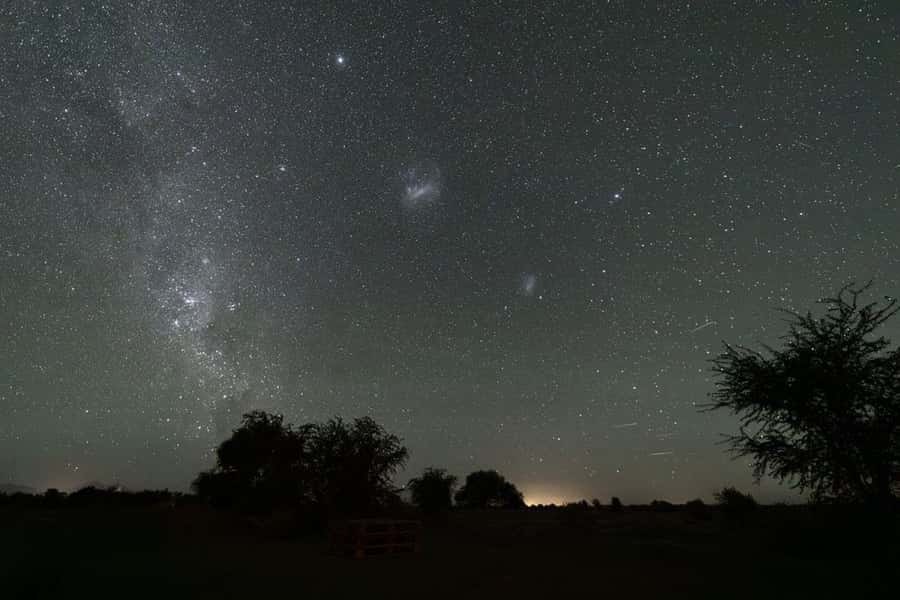
The included cocktail and drinks bar give the evening a relaxed social rhythm. After the explanations and telescope viewing, you can pause with a drink while looking across the dark desert and sky.
This is a small feature, but it matters during a 150-minute activity. It breaks up the technical information and gives you time to talk with the guide or the people in your group. The atmosphere should feel less like a formal observatory visit and more like a guided night out.
The drinks bar is not a substitute for dinner. The supplied details identify a cocktail and drinks, but do not mention a meal or substantial food. Eat beforehand if you need a full evening meal, especially since pickup starts late.
How the 150 minutes feel
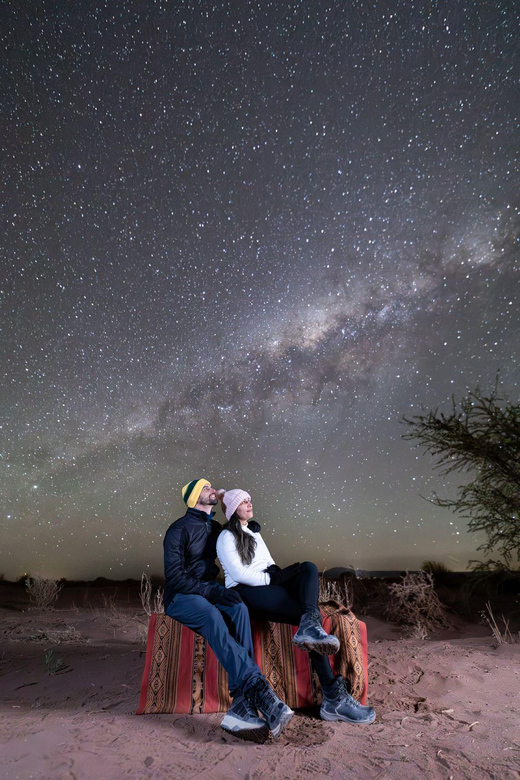
Two and a half hours is a sensible length for this kind of outing. It gives you enough time for an introduction, explanations, telescope use, photography, and a final moment under the stars without turning the night into an exhausting all-night program.
The timing also fits the Atacama schedule. Pickup begins around 9:00 p.m. to 9:30 p.m., so this is not an early-evening activity. You should plan to stay alert late and leave room in your next morning schedule if you want a relaxed start.
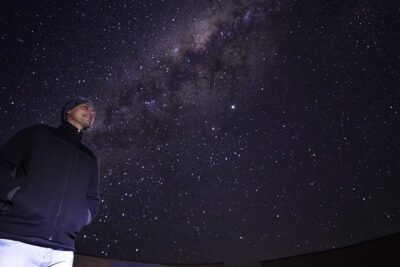
The tour closes with time for quiet observation. You may look at the Milky Way, spot a distant galaxy, or simply take in the scale of the sky. That final pause is valuable because astronomy is not only about collecting facts. It also gives you a rare sense of distance and scale.
Is $100 a fair price?
At $100 per person, this is not the cheapest way to spend a night in San Pedro de Atacama, but the price includes several elements that would otherwise add up: a bilingual guide, telescope use, a cocktail and drinks bar, two photographs, and return transfer to your hotel.
The value depends on what you want from stargazing. If you only need a dark place to look at the sky, you could find a simpler option. If you want explanations, organized telescope viewing, photography guidance, and transport back to your hotel, the price is easier to justify.
I also think the guide quality affects the value more than the drinks do. The most positive response focused on the guide’s enthusiasm, explanations, and ability to make the evening fun. That human element turns equipment into an experience.
The price becomes less attractive if pickup problems cost you a long wait or if you expect the exact giant telescope shown in an image. Confirming the logistics and setting sensible equipment expectations are the two best ways to protect your purchase.
Who should book this activity?
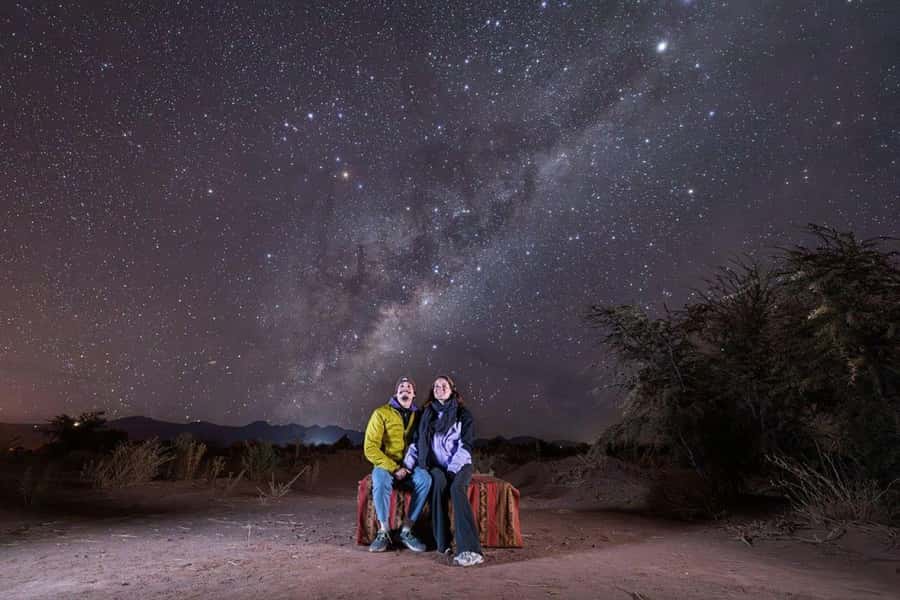
I would recommend it to you if you have a real interest in the night sky, even a beginner’s interest. The tour gives you context, equipment, and guidance, so you do not need to arrive knowing constellation names or telescope settings.
It is also a good choice for couples, families with older children, and anyone looking for a quieter evening after daytime desert excursions. The cocktail, storytelling, and photographs make it feel more varied than a straight astronomy lecture.
You may want to think twice if you dislike late nights, dislike waiting outdoors, or need highly precise pickup arrangements. The tour runs at night, and the available information does not describe seating, shelter, or accessibility features.
If your main goal is advanced astrophotography, ask what camera support and photograph delivery are provided before booking. The tour offers guidance, but it is not presented as a dedicated professional photography workshop.
Practical advice for a smoother night
- Enter your hotel name and complete address accurately.
- Confirm the exact pickup time on the day, not only the general 9:00 to 9:30 p.m. window.
- Ask where the return transfer leaves you and how the two included photographs are delivered.
- Eat before pickup because a cocktail and drinks are not described as a full meal.
- Bring your phone or camera if you want to try the photography guidance.
- Expect telescope equipment that may differ from the largest model shown in promotional images.
- Give yourself a free morning afterward if late nights affect your energy.
The cancellation policy is friendly: you can cancel up to 24 hours before the activity for a full refund. You can also reserve now and pay later, which helps if your Atacama plans are still shifting.
Should you book the Atacama astronomical tour?
Yes, if guided astronomy matters to you. The clearest strengths are the Atacama sky, the enthusiastic bilingual guides, the telescope viewing, and the chance to learn how science and culture meet above the desert.
Book with care around the pickup details. Confirm your hotel information, watch for the day-of-tour message, and do not assume the telescope will match the largest one in a photograph. With those points handled, $100 buys a well-rounded 150-minute night rather than a quick look through a scope.
I would choose this activity for the explanations and the sense of occasion. The stars are free, but seeing them clearly, understanding what you are looking at, and remembering the night with photographs is what gives this tour its value.
FAQ
How much does the astronomical tour cost?
The tour costs $100 per person.
How long does the tour last?
The activity lasts 150 minutes.
What languages are available?
The live guide speaks Spanish and English.
What time is hotel pickup?
Pickup takes place between 9:00 p.m. and 9:30 p.m. The operator confirms the exact time on the day of the tour.
Is transportation included?
Return transfer to your hotel is included. Pickup is listed separately as not included, so confirm the exact arrangement with the operator.
What is included in the price?
The price includes a bilingual guide, cocktail with drinks bar, two photographs, telescope use, and return transfer to your hotel.
Can I cancel or pay later?
You can cancel up to 24 hours in advance for a full refund. The activity also allows you to reserve now and pay later.
Just added around San Pedro de Atacama
- Cejar & Tebenquiche Lagoons Tour with Ojos del Salar Atacama★ 3.4 · 3 reviews
- San Pedro de Atacama: Valle de la luna★ 3.0 · 3 reviews
- Atacama Desert: Floatation in Laguna Cejar and Sunset★ 3.1 · 3 reviews
- Astronomical Tour: San Pedro de Atacama – Chile★ 4.5 · 3 reviews
- Valle de la Luna: A Moon-Like Escape in Atacama★ 5.0 · 3 reviews
- San Pedro de Atacama: Astronomical Tour★ 3.9 · 3 reviews
- Piedras Rojas, Altiplanics Lagoons & Salar Full Day Tour★ 4.4 · 3 reviews
- Full Desert. The most complete program you will find★ 3.2 · 3 reviews
Atacama Stargazing & Astronomy Tours, compared.
Astronomical Tour with Guide and Pick Up San Pedro de Atacama
Read our review →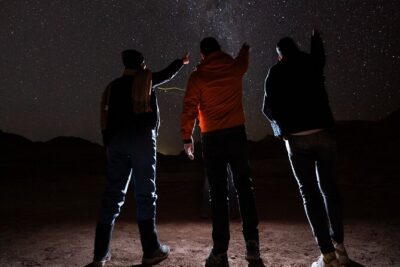
“Astronomical Adventure in San Pedro de Atacama”
Read our review →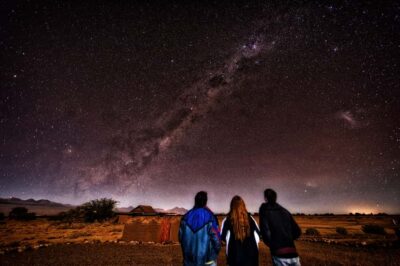
Pisco Elqui: Mountaintop Stargazing and Night Portrait
Read our review →Browse the lists this tour appears in