
Reviewed · SAN PEDRO DE ATACAMA TOURS
San Pedro de Atacama: Wildlife Safari and Photography Tour
Wildlife hides in plain sight here. This four-hour safari from San Pedro de Atacama combines expert animal spotting with wide views of volcanoes, wetlands, saltflats, and high desert scenery. I especially like the tiny group size, limited to four people, and the supplied spotting scopes, phone adaptors, binoculars, and field guides.
I also like that this is not just a drive-by sightseeing trip. You stop for a short walk at Machuca, spend time watching birds, and get help finding animals you could easily miss alone. The main consideration is the tour’s pace and setting: this is a mountain and wetland outing, not a soft urban excursion, and children under 12 cannot join.
In This Review
- Key points to know before booking
- From San Pedro to Quirquincho Pass
- Machuca wetlands and a short birding walk
- Putana Valley lookout and the 360-degree view
- What makes the photography setup useful
- The guide can make or break the outing
- How the four-hour format affects the experience
- Is $145 a fair price?
- Who should book this safari?
- Booking flexibility and practical details
- Should you book it?
- FAQ
- How long is the San Pedro de Atacama wildlife tour?
- What animals might I see?
- Is photography equipment included?
- Is hotel pickup included?
- What languages are available?
- Can children join the tour?
Key points to know before booking
- Three distinct wildlife areas: Search for guanacos and vizcachas at rocky Quirquincho Pass, walk among birdlife near Machuca, then look across the Putana wetlands.
- A guide who watches for the details: Juan Pablo, also called Juan by some participants, is praised for spotting animals that are almost invisible until he points them out.
- Useful photography equipment: Binoculars, spotting scopes, phone adaptors, and field guides are included, making the tour workable for beginners as well as serious photographers.
- Very small groups: With a maximum of four participants, you get more room for questions, quiet observation, and camera setup.
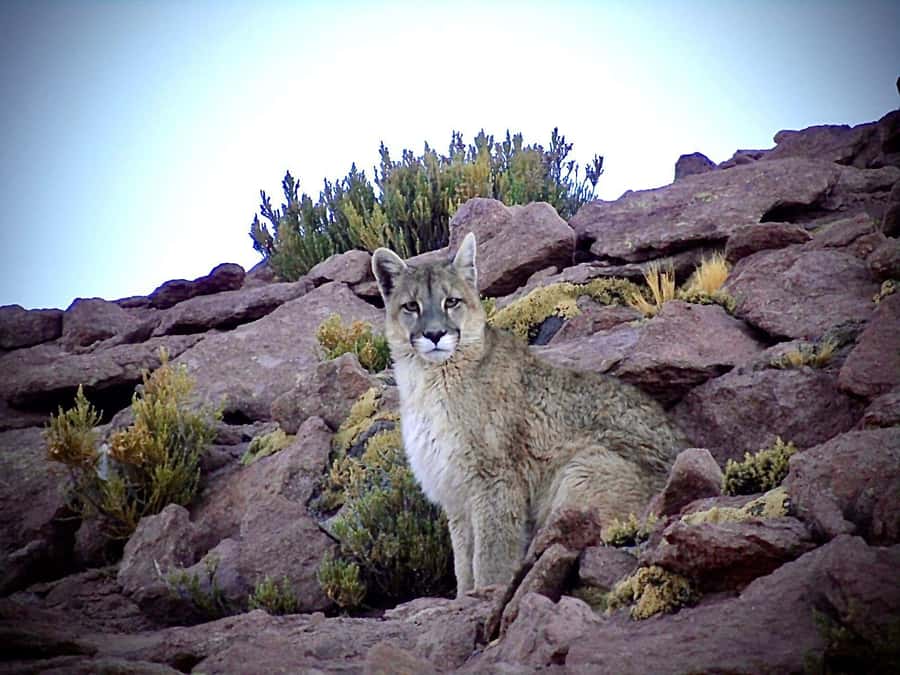
- A strong wildlife list: Vicuñas, guanacos, vizcachas, flamingos, and many other birds have been seen on this route.
- Good value for focused nature lovers: At $145 per person, the price is not bargain-level, but it covers transport, a bilingual fauna guide, optical gear, and a specialized four-hour outing.
From San Pedro to Quirquincho Pass
The outing begins with hotel pickup in San Pedro de Atacama. You then spend about 45 minutes driving toward the mountains before reaching rocky Quirquincho Pass. That first drive matters because the tour quickly leaves the town’s busy sightseeing circuit behind and moves into open country.
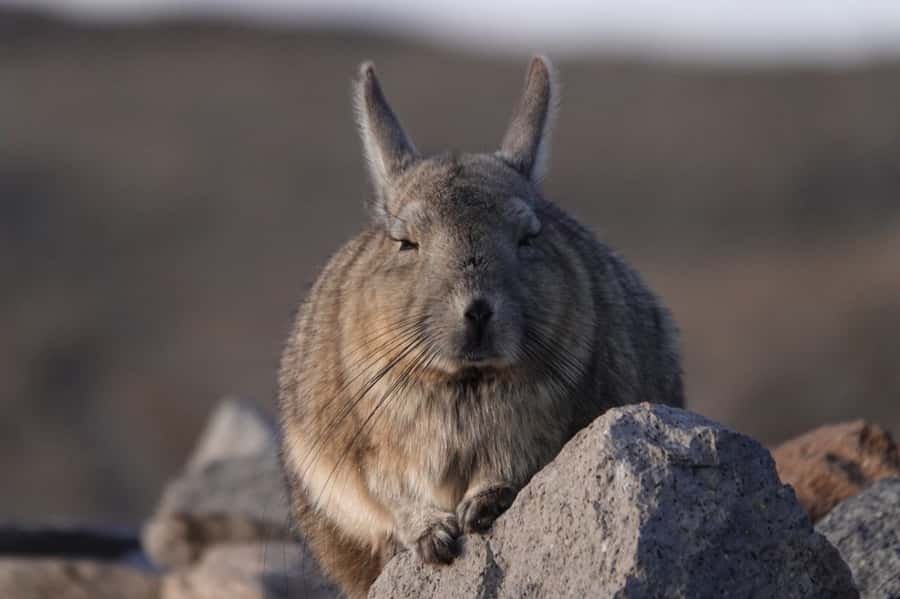
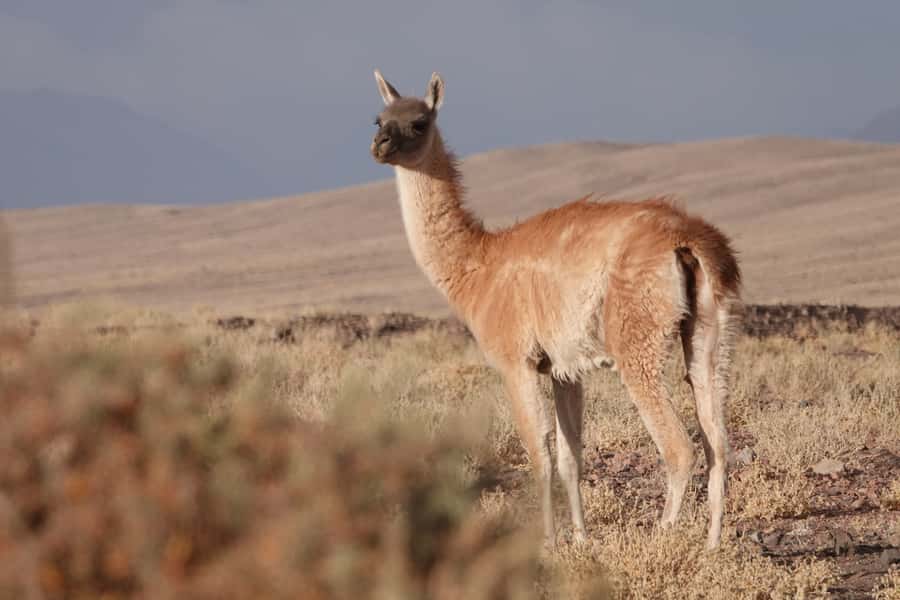
At Quirquincho Pass, the guide searches for guanacos and vizcachas. Guanacos are larger relatives of llamas, while vizcachas are small, rabbit-like rodents that blend into the rocks with remarkable skill. You may be looking directly at a stone slope and see nothing until the guide shows you the animal tucked into it.
That is where the small group helps. A guide can stop the vehicle, scan the rocks with a spotting scope, and give each person time to look without a line of people waiting behind them. One participant described being unable to see what Juan was pointing at until he explained exactly where to look. That is a useful warning for first-time wildlife watchers: the animals are there, but your eyes may need training.
The pass also gives you a taste of the Atacama’s stark mountain setting. The views are broad and uncluttered, with volcanic peaks and bare rock replacing city streets and tour buses. Still, animal sightings are never guaranteed. Wildlife moves on its own schedule, and the guide’s skill improves your chances rather than promising a particular photograph.
More wildlife runs:
- From Santiago: Safari Park, a wild experience
★ 4.5 · 20 reviews - SAFARI PARK-TOUR RANCAGUA : CHILE
★ 4.5 · 4 reviews
Machuca wetlands and a short birding walk
After Quirquincho Pass, the route continues toward the wetlands near Machuca Village. Here you leave the vehicle for a short hike, with the focus shifting from rocky mammals to birds and wetland life.
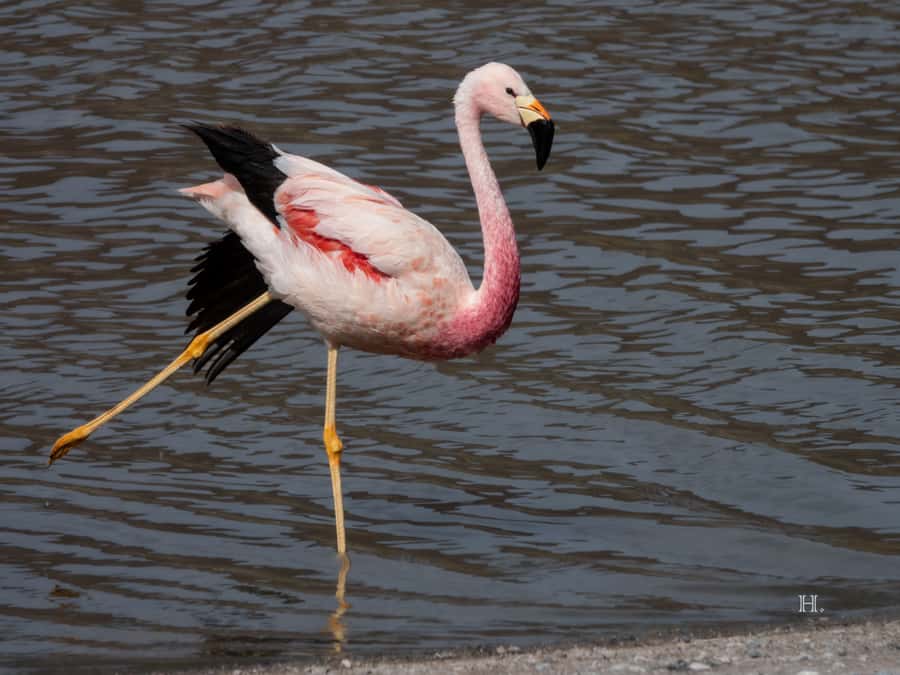
Flamingos are the headline attraction, and large groups have been seen here. Their pale bodies and pink coloring make a fine subject, but the real pleasure is watching several species share the same wetland. The tour can also reveal birds you may not recognize, which is why the field guides are more useful than they might first appear.
The walk is described as short, not a long trek. That makes it a good fit for visitors who want time outdoors without giving up most of the day. You should still wear comfortable shoes. Ground conditions are not described in detail, so sensible footwear is a better choice than sandals or fashion shoes.
Machuca itself adds a human touch to the route. You cross the beautiful village before continuing higher, giving you a quick look at a small settlement in this remote part of Chile. The village is part of the experience, but this tour is not built around a long cultural visit. Its purpose is wildlife, views, and patient observation.
I like this section because it slows the outing down. A traditional sightseeing route may pause just long enough for a quick photograph. Here, the point is to stand, scan, compare what you see through the binoculars and scope, and let the place reveal itself.
Putana Valley lookout and the 360-degree view
The final major stop is the Highland of Putana Valley lookout. From here, you get a 360-degree view across the region’s largest wetland, surrounded by high volcanoes.
This is the tour’s big scenic payoff. At Machuca, your attention is close to the birds and water. At Putana, it expands outward. You can relax, look across the wetland, and take in the scale of the high desert. The combination of open saltflats, water, volcanic peaks, and wildlife gives your camera plenty to work with.
The lookout is also a good place to stop chasing photographs for a moment. Put the phone down, use the binoculars, and notice how much of the view is moving. Flamingos and other birds may be small at a distance, but a spotting scope can bring them into clear view.
Some departures may line up with the golden light of late afternoon or sunset, a detail that has made this outing especially appealing for photography. Do not assume every start time will deliver that exact light. Check the available departure time when you book, particularly if warm evening color is important to you.
What makes the photography setup useful
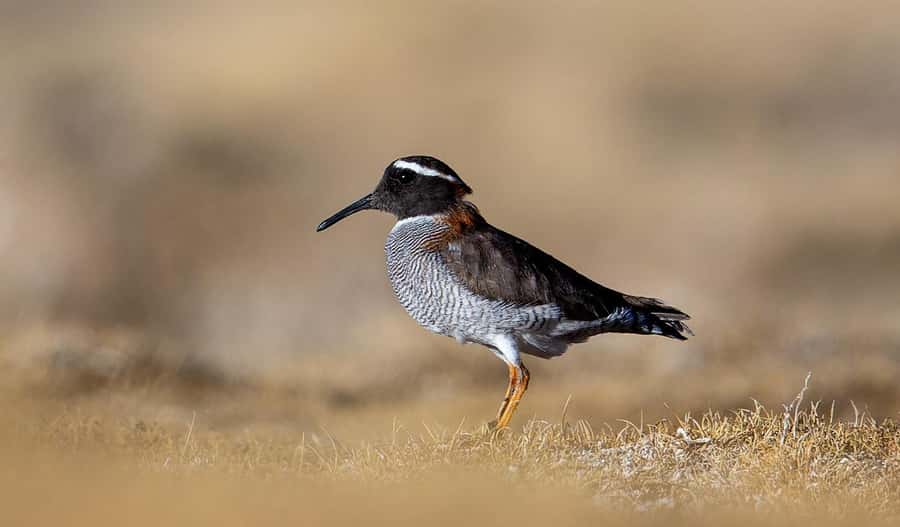
You do not need professional equipment to benefit from this tour. The guide provides spotting scopes with phone adaptors, binoculars, and field guides covering fauna and birds. That is a practical package for someone carrying only a phone or a basic camera.
The phone adaptor is especially handy. Wildlife may be too far away for a normal phone photograph, but the adaptor lets you try to record what you see through the spotting scope. Results will vary, yet it gives beginners a chance to take home more than a distant speck.
For experienced photographers, the value is less about equipment and more about access and timing. A guide who knows where animals are often found can save you from spending hours scanning empty slopes. You can also ask to pause when the light or position looks right, although the exact flexibility of the schedule is not stated.
The tour suits mixed ability levels because the experience is not built around technical camera instruction. You get help locating animals and time to observe them. If your main aim is a formal photography workshop with lessons on exposure, lenses, and composition, this may not be the right product. If you want better chances of seeing and photographing Atacama wildlife, it makes more sense.
A few more San Pedro de Atacama trips worth weighing up
- Punta Arenas: Dolphin & Wildlife Watching
★ 4.1 · 45 reviews - Punta Arenas: Austral Dolphin & Wildlife Watching Boat Tour
★ 5.0 · 4 reviews
The guide can make or break the outing
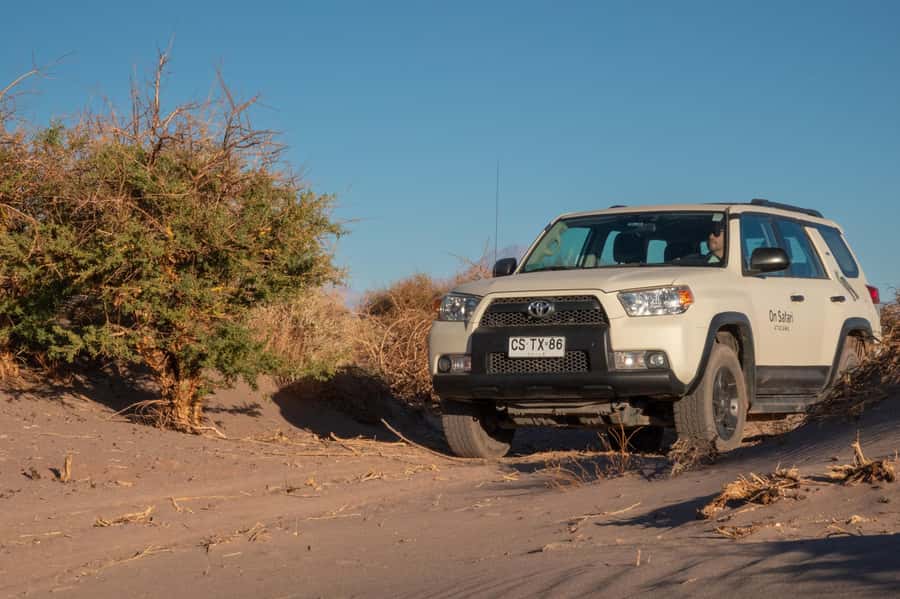
The guide is central to this experience. Juan Pablo is repeatedly praised for his ability to find birds and mammals, explain what you are seeing, and adjust the outing to personal interests. He is also described as friendly and well informed about San Pedro, the Atacama region, and Chile more broadly.
One particularly useful quality is his attention to individual goals. If you want a photograph of a vizcacha, for example, he may spend time helping you find one rather than rushing on after a quick sighting. That kind of patience is hard to get in a large coach group.
The guide also points out plants and smaller details beyond the headline animals. One solo participant received extra time and an outing that ran longer than planned. That should not be treated as a guaranteed extension, but it suggests the small format can allow room for conversation and personal interests.
Language support is available in English, Spanish, and Portuguese. The tour is described as having a live bilingual guide, so you should select or confirm the language that works best for you at booking.
How the four-hour format affects the experience
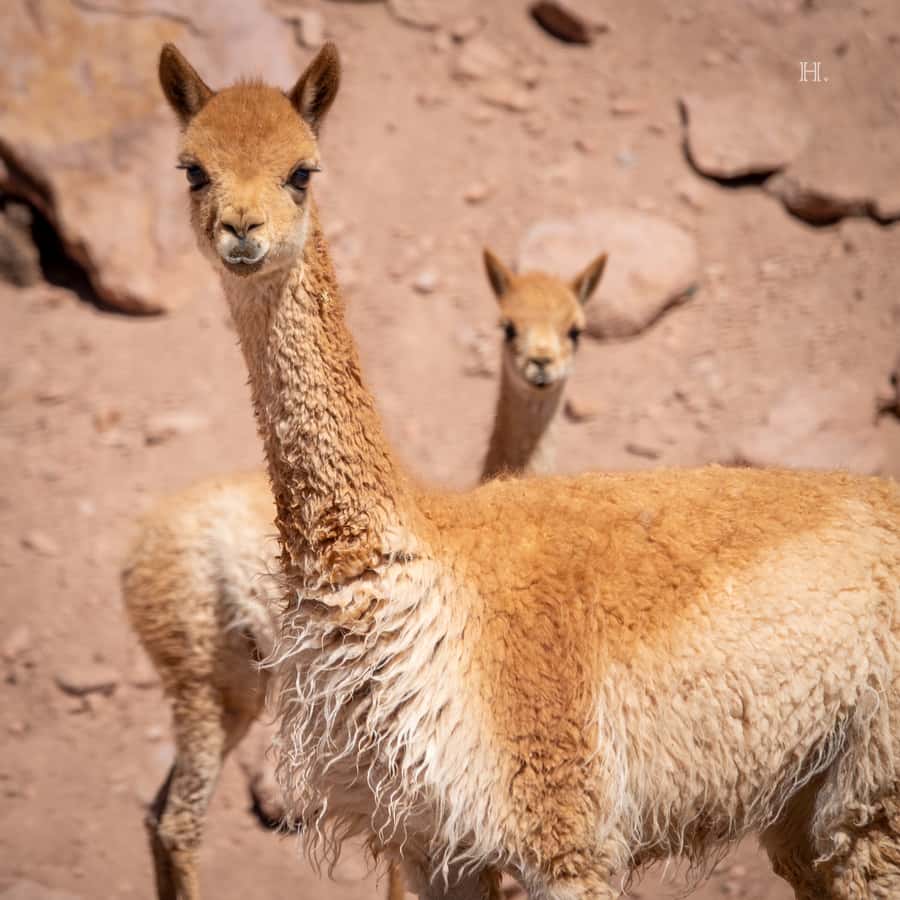
Four hours is long enough to reach several habitats without taking over your entire day in San Pedro. You get the mountain drive, Quirquincho Pass, the Machuca walk, the village crossing, and the Putana lookout in one compact outing.
The tradeoff is that each stop has to fit into a limited window. If you are the sort of photographer who wants to wait quietly for one animal to move into perfect light, four hours may feel short. The route covers ground, and some of your time is spent in the vehicle.
That said, the compact schedule works well as a first wildlife outing. You see how the high desert changes from rocky slopes to wetlands and then to a broad volcanic panorama. You also avoid giving up a full day that could be used for another San Pedro excursion.
A small group makes the timing feel less mechanical. With no more than four participants, the guide can explain sightings and manage the equipment without the usual crowd around a single scope. Solo booking may still operate, as one participant’s tour went ahead despite being alone, though availability and operating decisions can change.
Is $145 a fair price?
The cost is $145 per person. That is a significant price for four hours, but it covers more than a simple scenic transfer. Hotel pickup and drop-off, a specialized fauna guide, binoculars, spotting scopes, phone adaptors, and field guides are included.
For a couple or solo visitor who already values wildlife, I think the price can be justified. You are paying for local animal-finding skill, not just gasoline and a route to a viewpoint. The optical equipment also saves you from renting or carrying specialized gear.
The value is weaker if you only want a quick look at volcanoes or a general Atacama sightseeing trip. Other tours may cover famous scenery more directly. This one earns its price when you care about birds, mammals, patient viewing, and photography.
A current rating of 5 out of 5 from 17 ratings supports the idea that the experience has been reliable for its intended audience. The strongest praise focuses on the guide, the number of animals seen, the quiet setting, and the chance to take photographs without being hurried.
Who should book this safari?
I would recommend it most strongly to:
- Birdwatchers who want flamingos and other highland species
- Wildlife photographers using phones, compact cameras, or larger camera kits
- Visitors who prefer small groups to standard bus tours
- People who enjoy learning about animals, plants, and Chile from a local guide
- Anyone who wants a quieter outing away from heavily visited places
- Solo visitors who want a focused nature experience with included equipment
It is suitable for all photography levels, but it is not suitable for children under 12. You should also be comfortable with a mountain outing, a 45-minute drive to the first area, a short hike, and changing temperatures.
Bring comfortable shoes, warm clothing, a hat, and sunscreen. The warm clothing is important even if San Pedro feels hot when you leave. The tour reaches mountain and highland areas, and the supplied information specifically advises preparing for cooler conditions.
Booking flexibility and practical details
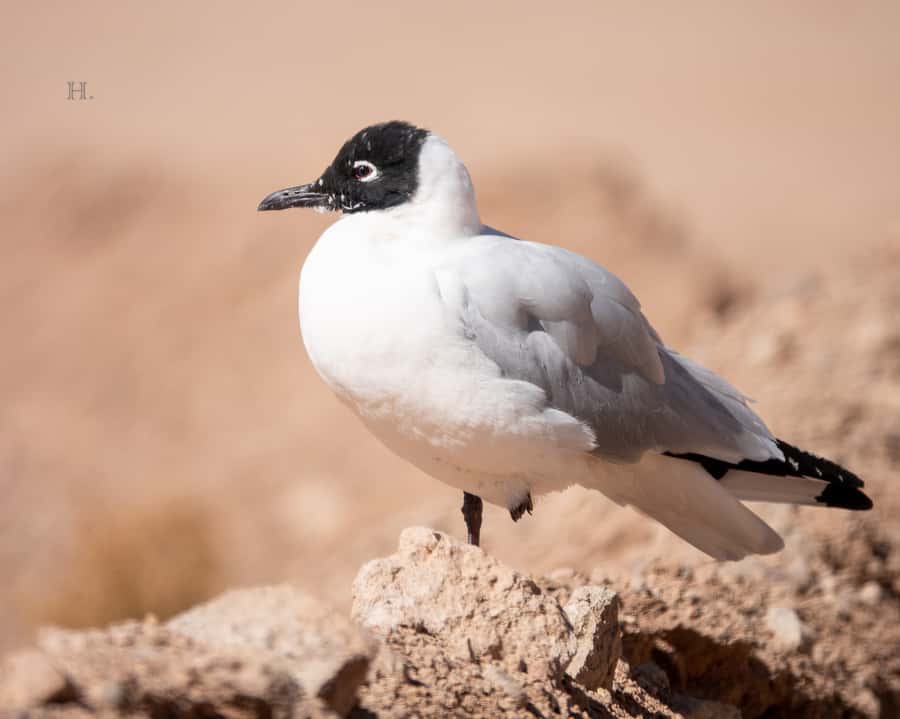
Hotel pickup and drop-off are included, with pickup handled by the car company. The activity lasts four hours, though the exact starting time depends on availability.
You can cancel up to 24 hours before departure for a full refund. You can also reserve now and pay later, which helps if your San Pedro schedule is still shifting. Those terms are useful in a destination where weather, altitude plans, and other day trips often compete for your time.
The tour runs in English, Spanish, and Portuguese. It is limited to four people, making it easier to hear the guide and share the viewing equipment. Confirm the pickup details and preferred language when reserving, since the available times and operating arrangements are not listed here.
Should you book it?
Book this wildlife safari if you want to see the Atacama through animals rather than only through famous viewpoints. The best reasons are Juan Pablo’s patient spotting, the strong chance of seeing vicuñas, guanacos, vizcachas, flamingos, and other birds, plus the excellent mix of borrowed optics and open scenery.
Skip it if you want a relaxed town-based activity, a full photography class, or a guaranteed list of animals. Nature does not take reservations, even when you do.
For most visitors who enjoy wildlife and have four hours to spare, I see this as a worthwhile specialist outing. The small group, quiet route, and hands-on viewing make it more personal than a standard sightseeing drive. It gives you a real chance to look closely at the Atacama, including the creatures that are easy to miss on your own.
FAQ
How long is the San Pedro de Atacama wildlife tour?
The tour lasts four hours. Availability determines the starting time.
What animals might I see?
Possible sightings include vicuñas, guanacos, vizcachas, flamingos, and many other bird species. Wildlife sightings cannot be guaranteed.
Is photography equipment included?
Yes. The tour includes spotting scopes with phone adaptors, binoculars, and field guides covering fauna and birds.
Is hotel pickup included?
Yes. Hotel pickup and drop-off are included, with pickup handled by the car company.
What languages are available?
The live guide service is available in English, Spanish, and Portuguese.
Can children join the tour?
No. The activity is not suitable for children under 12 years old.
Just added around San Pedro de Atacama
- Cejar & Tebenquiche Lagoons Tour with Ojos del Salar Atacama★ 3.4 · 3 reviews
- San Pedro de Atacama: Valle de la luna★ 3.0 · 3 reviews
- Atacama Desert: Floatation in Laguna Cejar and Sunset★ 3.1 · 3 reviews
- Astronomical Tour: San Pedro de Atacama – Chile★ 4.5 · 3 reviews
- San Pedro de Atacama: Astronomical Tour★ 3.9 · 3 reviews
- Valle de la Luna: A Moon-Like Escape in Atacama★ 5.0 · 3 reviews
- Piedras Rojas, Altiplanics Lagoons & Salar Full Day Tour★ 4.4 · 3 reviews
- Full Desert. The most complete program you will find★ 3.2 · 3 reviews
San Pedro de Atacama Tours, compared.
Piedras Rojas, Altiplanics Lagoons & Salar Full-Day Tour
Read our review →
Triple tour: Red stones, highland lagoons and Chaxa Lagoon
Read our review →Browse the lists this tour appears in