
Reviewed · CYCLING TOURS
San Pedro de Atacama: Volcano Downhill Bike Tour
The ride begins where the road ends. This six-hour Cerro Toco adventure gives you a rare chance to cycle from roughly 17,000 feet through open Andean terrain, with Licancabur Volcano and other high peaks in view. You get a private group, professional guides, a support vehicle, safety gear, snacks, photos, and transport from San Pedro de Atacama.
I like the dramatic altitude and scenery, which make this far more than a standard mountain-bike outing. I also like that the trail is manageable for a relative beginner, while still giving you plenty of speed and rough ground. The main drawback is the weather. High-altitude wind can force last-minute changes, and pickup times may shift more than once.
This is a serious day out, even though the cycling is not highly technical. You spend time at around 17,000 feet, where the thin air can affect how you feel before the ride even starts. Guides Gary and Sti have earned praise for checking riders throughout the descent, and that kind of attention matters here.
In This Review
- Key facts about the Cerro Toco ride
- Why this bike ride feels different
- From Casa Quitor to the high Andes
- The 12,800-foot breakfast stop
- Reaching Cerro Toco at 17,000 feet
- Fifteen miles over dirt, rock, and compact ground
- Safety, support, and the real altitude issue
- What the $250 price includes
- Photos, food, and the finish
- Who should book this Cerro Toco adventure?
- Is the Volcano Downhill Bike Tour worth booking?
- FAQ
- How long does the Cerro Toco bike tour last?
- How far do you ride?
- How high does the tour go?
- Is the ride suitable for beginners?
- What equipment and food are included?
- Can the tour be canceled or rescheduled because of weather?
Key facts about the Cerro Toco ride
- Start near 17,000 feet: You begin the main ride high on Cerro Toco, then descend toward San Pedro de Atacama.
- Fifteen miles downhill: The route covers dirt, rocks, and compact terrain over a long, mostly descending circuit.
- Licancabur in view: A first stop near 12,800 feet gives you time for photos, a light breakfast, and a hot drink.
- Beginner-friendly riding: The trail has been described as technically simple, around S0 and S1, though fitness and comfort at altitude still matter.
- Private guided outing: You ride with an English- and Spanish-speaking guide and a support vehicle carrying first-aid supplies.
- Weather controls the schedule: Wind and mountain conditions can change the departure time or affect whether the activity runs.
Why this bike ride feels different
San Pedro de Atacama has no shortage of desert excursions, but this one changes the scale of the day. You are not simply driving to a viewpoint, taking a few pictures, and returning to town. You are carried high into the Andes, fitted with a mountain bike, and given a long descent through open country.
The setting does much of the work. From the upper road and riding route, you can see Licancabur Volcano to one side and a spread of other peaks in the distance. The ride feels remote and exposed, yet you are not left to manage the route alone. A guide stays with the group, while a support vehicle provides backup and first-aid support.
The activity is also unusual because the effort comes in a different form than a normal mountain-bike climb. You are descending rather than pedaling uphill for miles. Still, the high altitude makes this demanding. A rider who is comfortable on a bicycle at sea level may find the thin air, cold, rough surface, and altitude more challenging than expected.
More bike days:
- Bike Tour in San Pedro de Atacama – Devil’s Throat
★ 5.0 · 95 reviews - From San Pedro de Atacama: Moon Valley E-Bike Tour
★ 5.0 · 10 reviews - Santiago: Markets Bike Tour
★ 4.8 · 107 reviews
From Casa Quitor to the high Andes
Pickup is included from Casa Quitor in San Pedro de Atacama. You travel by jeep or SUV toward the Paso Jama route, with the drive taking about 30 minutes before the first special stop.
The departure time is set according to Andean weather conditions. That flexibility is sensible, since wind and mountain conditions matter more here than a fixed clock. It can also be inconvenient. One rider had the pickup moved from 7:30 to 8:00 and then to 9:00 the evening before, after several calls about wind forecasts. The conditions later turned out to be calm, but mountain weather can be hard to read from town.
I suggest keeping the morning free and avoiding any tight plans after the tour. The ride is listed at six hours, but a weather-related change could alter your schedule. Ask for the final pickup time before bed, and keep your phone available.
The 12,800-foot breakfast stop
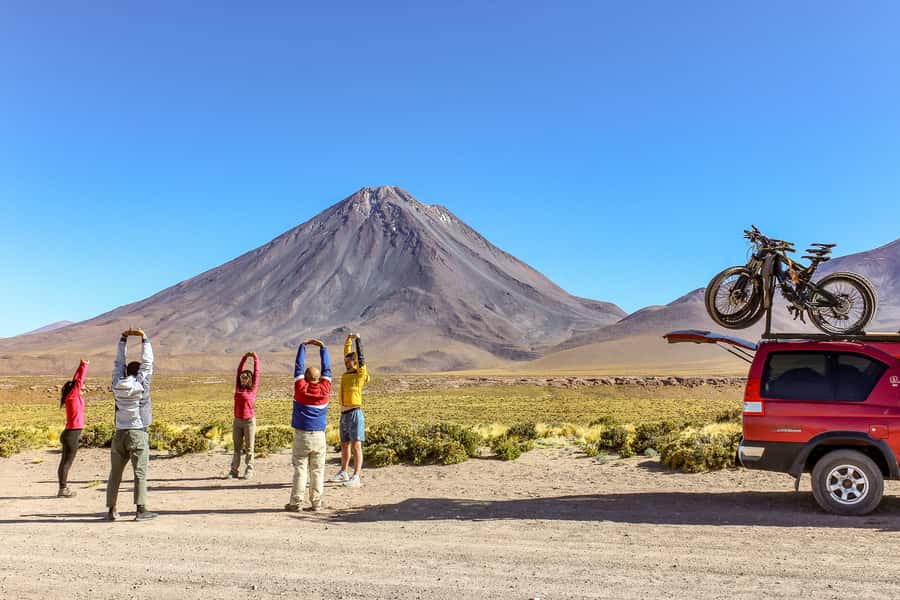
The first stop is a viewpoint close to Licancabur Volcano, at about 12,800 feet. You get time for photographs and a light breakfast with a hot drink after a 15-minute warm-up activity.
This stop has a practical purpose as well as a scenic one. It gives you a chance to see how your body responds before you go higher. If you already feel unwell here, the guides need to know before the group continues toward Cerro Toco.
The view is likely to be the first major reward of the day. Licancabur has a strong visual presence, and the surrounding peaks make a memorable backdrop for the included HD photos. You should not treat the breakfast as a full meal, though. It is described as light, and the tour also provides snacks and water in a backpack.
The warm-up is another useful touch. It helps you get moving after the vehicle ride and gives the guides a quick sense of how the group is handling the altitude. Follow their pace rather than trying to prove anything early in the morning.
Reaching Cerro Toco at 17,000 feet
After the viewpoint, the vehicle continues toward the top of Cerro Toco. The highest point is listed at around 17,000 feet, while one ride description records the starting point at about 5,300 meters. That is exceptionally high, so the altitude is the biggest physical factor in the experience.
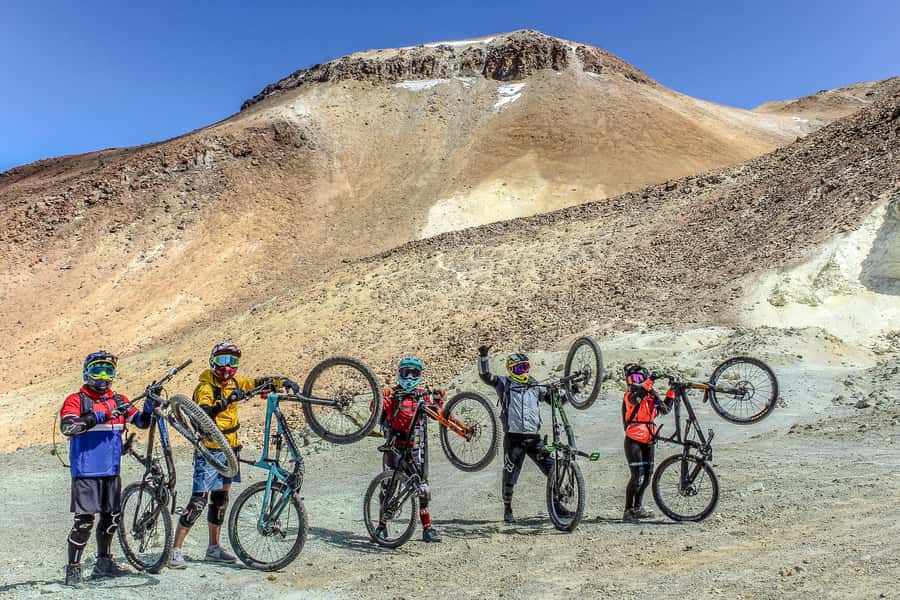
At the top, the guides give a safety briefing and adjust the professional mountain bike to your needs. You receive a helmet, gloves, elbow and forearm guards, and knee and shin guards. The equipment list also includes an integral helmet in the account of one rider, which offers extra protection on rocky ground.
The setup deserves your full attention. Tell the guide if the saddle, handlebars, or controls do not feel right. You do not want to discover an uncomfortable adjustment several miles into a descent. This is also the time to ask how the guide wants the group to handle stops, passing, rough patches, and any mechanical problem.
The guides are one of the strongest parts of the trip. Gary has been praised for giving useful information about the ride and local culture, while Gary and Sti were specifically noted for checking riders regularly at the high altitude. You get English and Spanish guiding, so you can ask questions and report discomfort clearly.
A completely different sort of day out of San Pedro de Atacama:
- San Pedro de Atacama: El Tatio Geysers Tour
★ 4.7 · 943 reviews - San Pedro de Atacama: Etno-Stargazing Tour with Transfer
★ 4.8 · 629 reviews - Piedras Rojas, Altiplanics Lagoons & Salar Full-Day Tour
★ 4.7 · 592 reviews - San Pedro de Atacama: Stargazing Experience
★ 4.7 · 489 reviews
Fifteen miles over dirt, rock, and compact ground
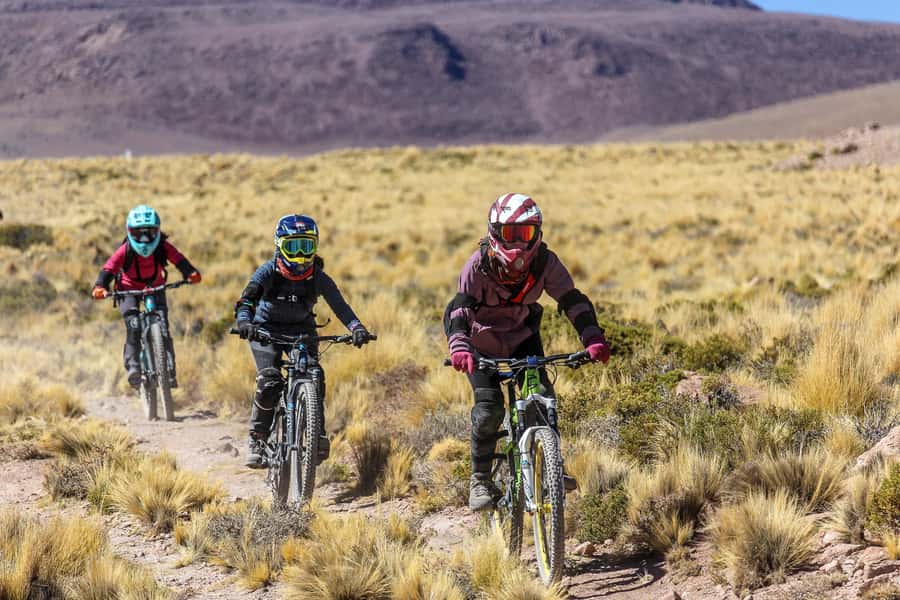
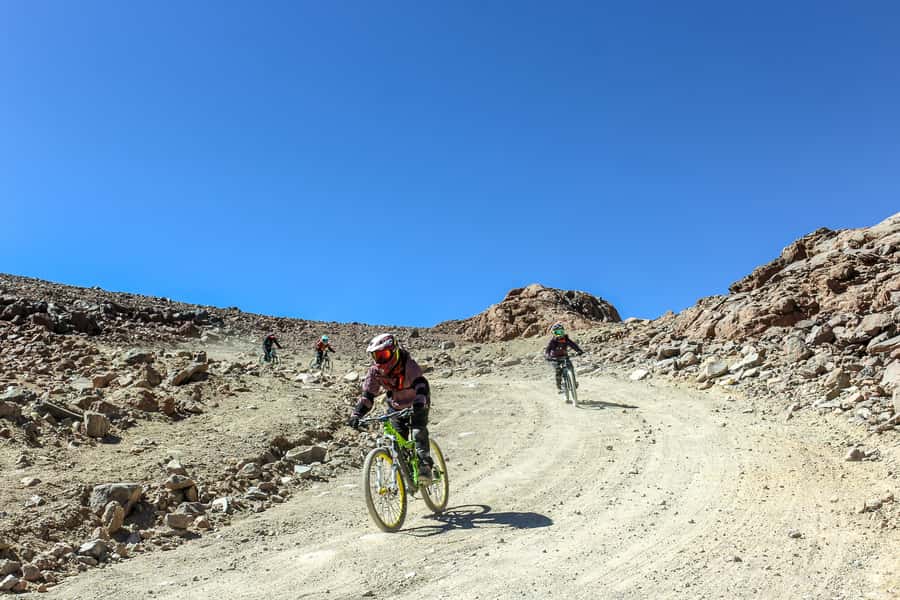
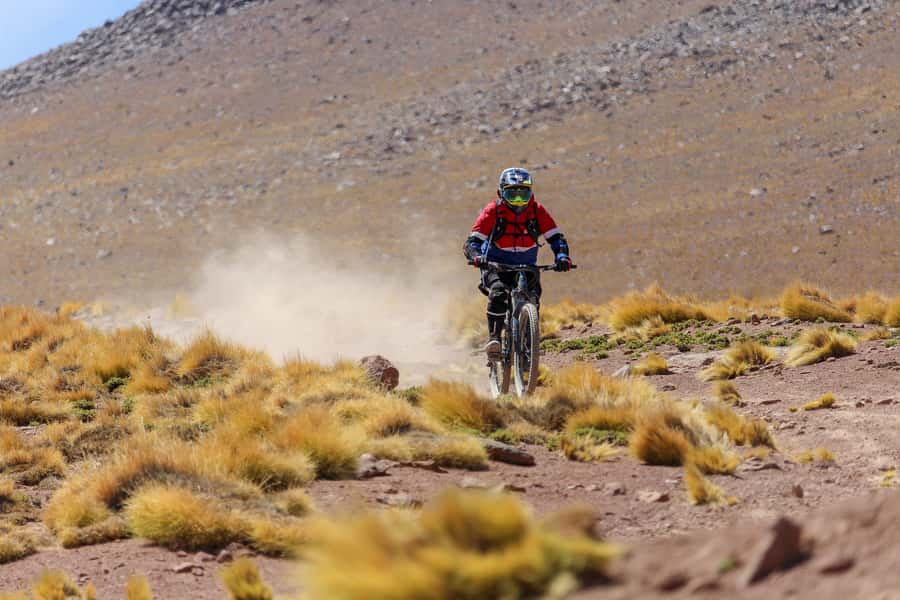
The main ride covers about 15 miles on mixed terrain. Expect dirt, rocks, and compact sections rather than a smooth cycling path. The route is downhill, but it is not effortless. You still need to control your speed, absorb bumps, and keep your attention on the surface ahead.
The trail has been rated around S0 and S1 on the Singletrack Scale, which means it is technically simple. That matches the experience described by a rider with just over a year of mountain-bike experience, who found the route enjoyable and not overly technical. You do not need expert downhill skills, but you should be comfortable riding a bike over uneven ground.
The safest approach is to ride within your ability. If the bike begins to feel fast, use the brakes early and ask for a pause. The support vehicle and guides are there to help with first aid and technical support, but good judgment still starts with you.
The views give the descent its character. Look toward Licancabur when the route opens up, then scan the other side for the unnamed peaks and broad Andean spaces. The ride can feel like cycling across another planet, partly because of the volcanic surroundings and partly because there are few familiar visual cues.
You can stop to catch your breath or take in the scenery. These pauses are not wasted time. At this altitude, a short break can help you settle your breathing, drink water, and enjoy the setting instead of rushing through it.
Safety, support, and the real altitude issue
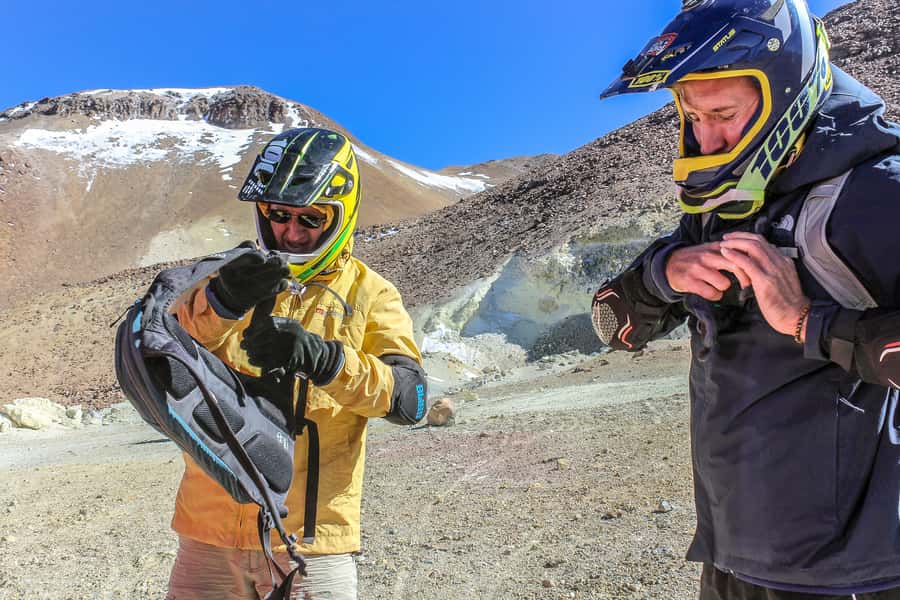
The tour is designed to keep the adrenaline under control. You have a professional guide, a fitted mountain bike, protective gear, a support vehicle with first-aid supplies, water, snacks, and a private group. That is a strong package for a remote downhill ride.
The key point is that safe does not mean easy. The route may be technically simple, but starting near 17,000 feet is no small matter. One rider described the altitude at about 5,200 meters as no joke, even while praising the guides for repeatedly checking how the ride felt.
You should be in good physical condition and honest about how you feel. The activity is not suitable for children under 12 or people with impaired mobility. The information provided does not list a formal altitude-acclimatization requirement, so ask the operator directly if you have concerns about high-altitude activity or your health.
I also appreciate the weather policy, even though it can cause frustration. A strong wind at Cerro Toco is not a minor nuisance. It can affect comfort, control, and safety. A guide who changes plans because of mountain conditions is making the right call, even if the communication feels inconvenient.
What the $250 price includes
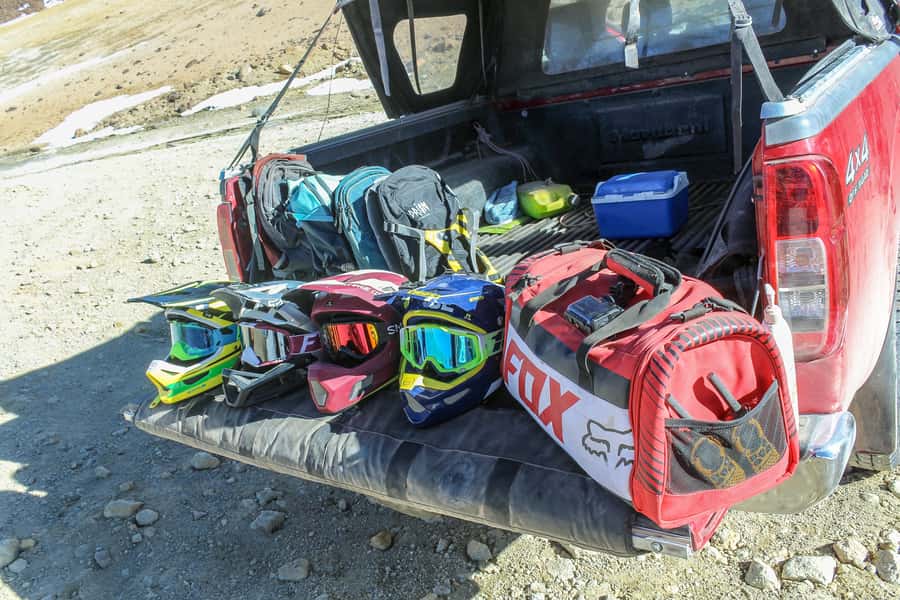
At $250 per person, this is an expensive half-day activity by San Pedro standards. The value depends on what you want from the outing. You are paying for more than bike rental: hotel pickup, a 4×4 transfer toward the Andes, a private group, bilingual guiding, a professional bike, full protective equipment, a support vehicle, first-aid capability, breakfast, snacks, water, and HD photos.
The vehicle support is especially important. A remote downhill route would be less appealing if you had to deal with a damaged bike or a rider who felt ill without help nearby. The guide’s presence also lets you focus on the ride instead of route-finding.
The private-group format may be worth the extra cost if you want a more personal pace. You can ask for breaks, receive bike adjustments, and discuss the local culture without being lost in a large crowd. If you are comparing this with a basic cycling excursion, the price will feel high. If you are comparing it with a specialized volcano adventure that includes transport and equipment, the package is easier to justify.
There is one practical value issue to watch. One solo rider felt they paid twice the expected price because they were alone in the booking. If you are traveling by yourself, confirm how the private-group rate works before paying.
Photos, food, and the finish
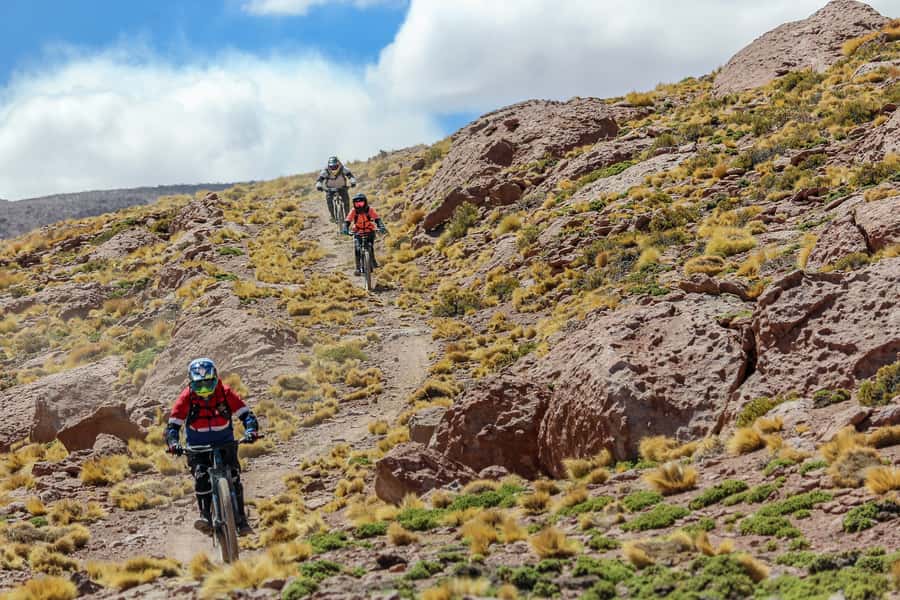
The tour includes a light breakfast at the viewpoint, plus a backpack with snacks and water. That is helpful because the day begins with a long transfer and continues at high altitude. Still, the breakfast is light, so do not assume it replaces a substantial meal.
At the end, you receive a cold Chilean drink before returning to Casa Quitor. After five hours around the ride portion of the itinerary, that small finish should feel welcome. You return by vehicle rather than needing to cycle back uphill, which is exactly what you want after a long descent.
HD pictures are included, allowing you to focus more on riding than on taking photos. Delivery may not be immediate. One rider was still waiting for the promised photos three days after the tour, so ask the guide when and how the images will arrive if they matter to you.
Who should book this Cerro Toco adventure?
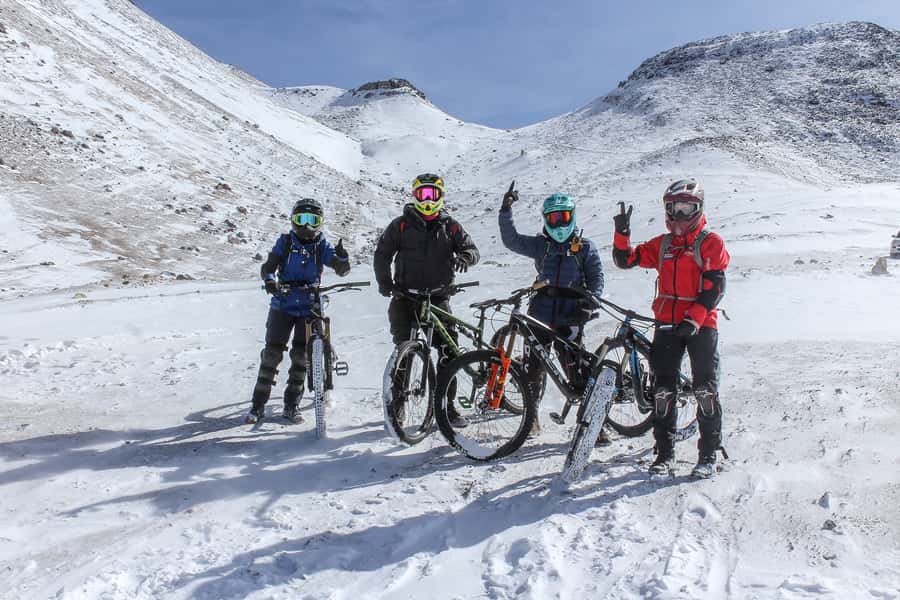
I would recommend this to you if you:
- Ride a bicycle comfortably on dirt or uneven ground.
- Want a high-altitude experience with real movement, not only a viewpoint.
- Like guided adventure but do not need an intensely technical downhill route.
- Can handle a six-hour outing with a long vehicle transfer.
- Appreciate volcano views, open mountain scenery, and a small private group.
- Are willing to let weather control the schedule.
I would hesitate if you dislike rough surfaces, feel uneasy on a mountain bike, or need a firm departure time. The ride is not aimed at young children, people with mobility impairments, or anyone who cannot tolerate strenuous activity at high altitude.
You also need to accept that the experience may be physically demanding even if the trail itself is simple. Beginner mountain bikers can enjoy it, but beginners should not confuse a low technical rating with a low physical challenge.
Is the Volcano Downhill Bike Tour worth booking?
Yes, if you want one of San Pedro de Atacama’s most unusual active outings and you are comfortable with the altitude. The combination of a 15-mile descent, volcano views, professional equipment, private guiding, and vehicle support gives the $250 price a clear purpose.
Book it for the setting and the sense of motion, not just for the word downhill. The trail is not described as highly technical, so expert riders may want more difficult riding. For a competent beginner or intermediate rider, though, the route offers a strong mix of speed, scenery, and support.
My main advice is to keep your schedule flexible, ask about the latest weather forecast, and take the altitude seriously. If the guides are checking on you as closely as Gary and Sti have done for other groups, you can enjoy the ride with confidence. If you want a carefully managed adventure that still feels wild, this is a good choice.
FAQ
How long does the Cerro Toco bike tour last?
The activity lasts about six hours. The itinerary includes vehicle transfers, a viewpoint stop, the mountain-bike descent, and the return to Casa Quitor.
How far do you ride?
The downhill route covers about 15 miles. It begins near the top of Cerro Toco and continues over dirt, rocks, and compact terrain.
How high does the tour go?
The highest point is around 17,000 feet. The first viewpoint near Licancabur Volcano is about 12,800 feet above sea level.
Is the ride suitable for beginners?
The route is technically simple, around S0 and S1, and a rider with about a year of mountain-bike experience found it manageable. You should still be in good physical condition and comfortable riding on uneven ground.
What equipment and food are included?
The tour includes a professional mountain bike, helmet, gloves, elbow and forearm guards, knee and shin guards, water, snacks, a backpack, and a light breakfast with a hot drink. A cold Chilean drink is provided at the end.
Can the tour be canceled or rescheduled because of weather?
The activity is subject to weather conditions, including conditions in the Andes mountain range. You can cancel up to 24 hours in advance for a full refund, and the provider may adjust the schedule when mountain weather requires it.
Just added around San Pedro de Atacama
- Cejar & Tebenquiche Lagoons Tour with Ojos del Salar Atacama★ 3.4 · 3 reviews
- San Pedro de Atacama: Valle de la luna★ 3.0 · 3 reviews
- Atacama Desert: Floatation in Laguna Cejar and Sunset★ 3.1 · 3 reviews
- Astronomical Tour: San Pedro de Atacama – Chile★ 4.5 · 3 reviews
- Valle de la Luna: A Moon-Like Escape in Atacama★ 5.0 · 3 reviews
- San Pedro de Atacama: Astronomical Tour★ 3.9 · 3 reviews
- Piedras Rojas, Altiplanics Lagoons & Salar Full Day Tour★ 4.4 · 3 reviews
- Full Desert. The most complete program you will find★ 3.2 · 3 reviews
Cycling Tours, compared.
Bike Tour in San Pedro de Atacama – Devil’s Throat
Read our review →
Private Full-Day Bike Tour of Santiago Cultural 5-6 hrs
Read our review →
Private San Cristobal Hill & Metropolitan Park Santiago Bike Tour
Read our review →Browse the lists this tour appears in