
Reviewed · PENGUIN COLONY TOURS
Whales & Humboldt Penguins: Chañaral or Damas island hiking
Whales can turn a long day into a great story. This $280 trip from La Serena combines Humboldt penguins and whale watching with old fishing coves, desert coast, cactus, and local food. I like the comfortable air-conditioned transport and the guides who bring the road journey to life, especially guides such as Christopher and Martin, who received warm praise for their care and information.
I also like the unusual mix of scenery: you move from Coquimbo’s greener northern coast toward the edge of the Atacama, then trade the highway for a boat near Punta de Choros. The main caution is time. The day lasts 10 hours, and some stops can make the journey feel stretched, while lunch may feel rushed if the group is late getting seated.
In This Review
- Key details that shape the day
- From La Serena to the old Juan Soldado crossing
- Caleta Los Hornos and La Higuera add local context
- Quebrada de los Choros marks the desert edge
- Punta de Choros is the gateway to the boat
- Isla Choros brings the best chance of wildlife
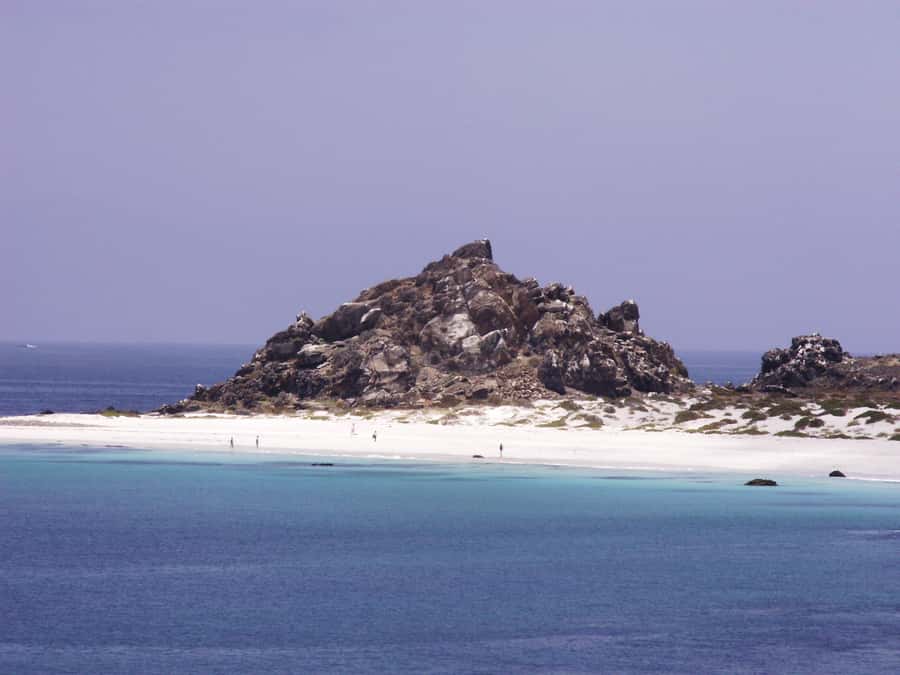
- Isla Damas provides a short hike and beach views
- Los Choros serves lunch, but watch the clock
- Is $280 a fair price?
- Who will enjoy this day most?
- Final call: book it for the whole coast, not only the whales
- FAQ
- Where does the tour begin and end?
- How long does the experience last?
- What languages are available?
- Is transportation included?
- Which islands do you visit?
- What wildlife might I see?
- Is lunch included?
- What should I bring?
Key details that shape the day
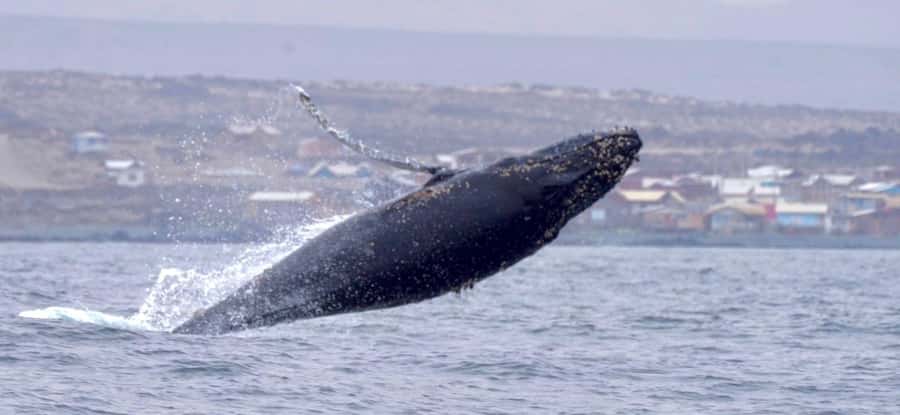
- Whales are possible, not guaranteed: Recent sightings included several whales, but sea conditions and animal behavior control the show.
- Isla Choros is the wildlife focus: Look for Humboldt penguins, sea lions, sea otters, seabirds, dolphins, and possibly whales.
- Isla Damas adds land time: You get about an hour for walking, views, wildlife watching, and photos.
- The road journey has a purpose: Stops at Punta Teatinos, Juan Soldado, Caleta Los Hornos, La Higuera, and Quebrada de los Choros explain the people and places behind the coast.
- Lunch is included: Expect a starter, main course, dessert, and a drink such as wine, water, or a soft drink.
- The sea sets the schedule: Wind, tides, waves, and weather can force changes, with conditions checked two days before departure.
From La Serena to the old Juan Soldado crossing
Your day begins with pickup at your La Serena accommodation. The air-conditioned vehicle matters here because the route is long, and the coast, desert edge, and rural settlements unfold over several hours. English and Spanish guiding is included, so you can follow the stories even if you do not speak Spanish.
The first short stop is Punta Teatinos, reached after roughly five minutes of scenic driving. It is a quick introduction to the coast rather than a major visit, but it gives you early views before the road turns toward smaller settlements.
At Antiguo Puente Juan Soldado, you stop for photographs and a guided look at an old coastal crossing. The stop lasts about 10 minutes, so think of it as a brief place-based story, not a long walk. This is one reason the guide matters. The route is not simply transport to a boat. It passes through places tied to shepherds, miners, farmers, Indigenous fishing communities, and people connected with coastal trade and piracy.
More penguin colony crossings:
- Punta Arenas: Walk with Penguins on Magdalena & Marta Island
★ 4.6 · 611 reviews - Punta Arenas: Full-Day Whales, Penguins, and Glaciers Tour
★ 4.9 · 325 reviews - Punta Arenas: Full Day Tierra del Fuego & King Penguins
★ 4.3 · 179 reviews
Caleta Los Hornos and La Higuera add local context
Caleta Los Hornos brings you to a working fishing settlement. You get about 10 minutes for sightseeing and a short explanation of the area. The coast here is not polished for mass tourism. Its appeal comes from seeing the relationship between small communities and the sea.
The route continues through La Higuera, where the guided visit lasts around 20 minutes. The setting marks the shift from the greener north of Coquimbo toward the dry country associated with the Atacama. That change is one of the best parts of the drive. You see the vegetation thin out, while cactus and hardier plants begin to make more sense as part of the setting.
Guides have been praised for stopping when something interesting appears along the road. Guanacos, wild donkeys, foxes, and birds have all been seen during the wider journey, although none should be treated as a promise. One guide, Martin, was especially appreciated for sharing roadside sightings instead of rushing past them. Christopher also received strong praise for both driving and the wildlife experience.
Quebrada de los Choros marks the desert edge
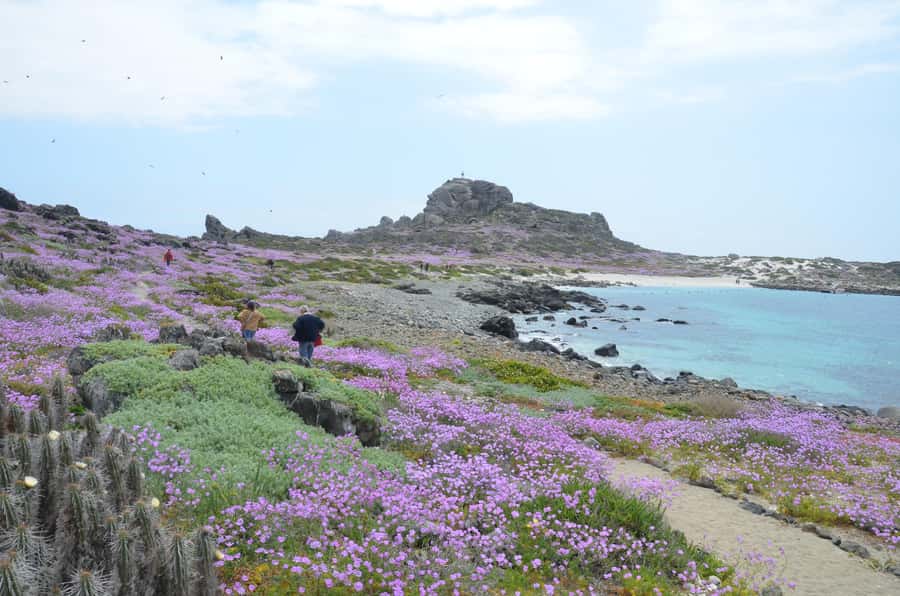
The stop at Quebrada de los Choros lasts about 20 minutes and includes photographs, free time, scenic views, and the chance to watch for wildlife. This is where the geography becomes especially striking. The dry ravines and open coastal country show how close the northern green belt is to one of the driest regions on Earth.
The route also carries a strong human story. The area is linked with the Choros and Camanchacas, along with the older Changos fishing culture. These communities used the coast with skill and persistence, including distinctive fishing rafts made from sea lion skin. You do not get a museum visit devoted to every part of that story, but a good guide can make the road stops feel connected rather than random.
Keep your expectations sensible. This is a full-day outing, and each roadside stop is fairly short. If you prefer spending hours at one archaeological or cultural site, the pacing may feel scattered. If you enjoy seeing how geography, work, and settlement fit together, the variety is a major strength.
Punta de Choros is the gateway to the boat
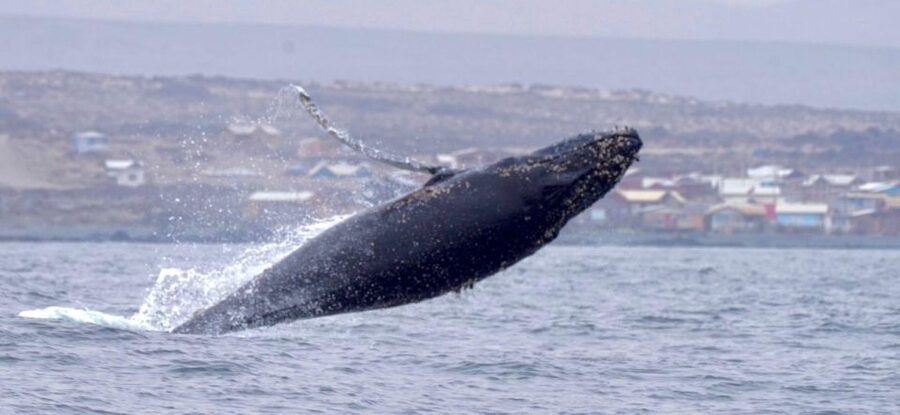
At Punta de Choros, the group has a break, a safety briefing, photographs, and time to prepare for the boat. The port is linked with long-standing artisanal fishing, seaweed collecting, and marine work. It is a useful contrast to a city marina because the place feels tied to daily life on this coast.
The sea trip is the core of the experience. The route passes around the islands of Seagulls, Choros, and Damas, with views of beaches, rock formations, cactus, and seabirds. The water can also bring sea lions, sea otters, dolphins, penguins, and whales into view.
Conditions rule the day. Wind, tides, and waves affect both comfort and safety, so the operator checks the forecast two days ahead. This is not a minor note. A calm day can make the boat ride magical, while rough water can reduce sightings and make the trip uncomfortable, especially if you are prone to seasickness.
Bring warm clothing even if La Serena feels mild. Outdoor clothes and weather-appropriate layers are the right choice because the boat can feel colder than the road vehicle. I would also avoid treating the whale sighting as a guarantee. Some departures have produced remarkable encounters, while another outing saw only one penguin and a few seals.
A completely different sort of day out of Chile:
- Santiago: Cajon del Maipo/Embalse del Yeso Tour with Picnic
★ 4.3 · 3,789 reviews - Santiago: Vina Del Mar, Valparaiso, Casablanca & Reñaca Tour
★ 4.2 · 2,838 reviews - Small-Group Cajón del Maipo Full-Day Tour and Picnic
★ 4.5 · 2,277 reviews - Santiago: Cajon del Maipo & Embalse El Yeso Trip with Picnic
★ 4.5 · 1,859 reviews
Isla Choros brings the best chance of wildlife
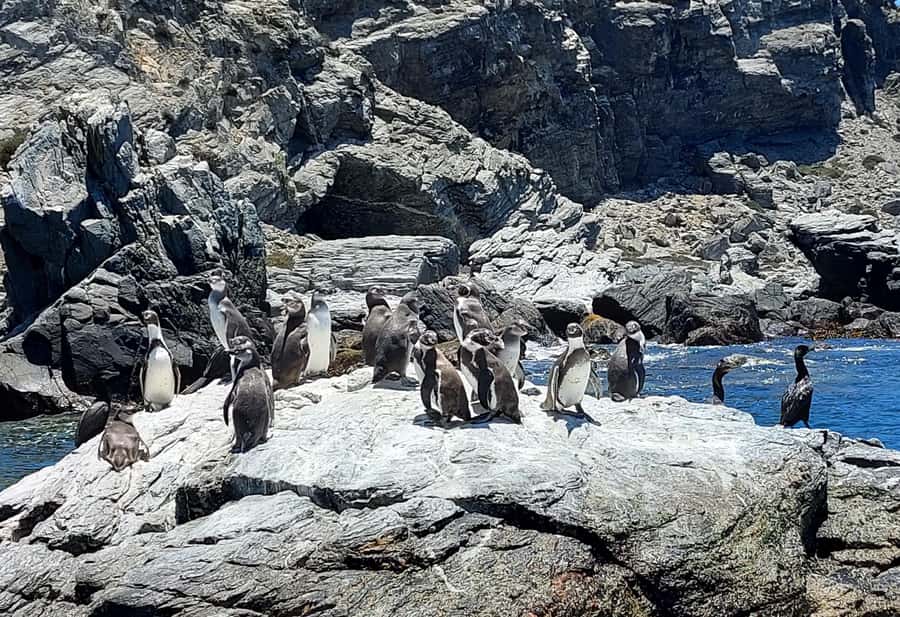
The boat reaches Isla Choros for about an hour of guided viewing. This is the most wildlife-focused part of the day, and the possible list is impressive: Humboldt penguins, sea lions, sea otters, dolphins, whales, birds of prey, and fishing birds.
Humboldt penguins are the signature animal here. One departure recorded five penguins, while another produced only one. That difference tells you exactly how to approach the trip: the reserve offers a strong chance to see marine life, but nature does not run on the printed timetable.
Whales can change the entire mood of the outing. Recent departures included sightings that passengers described as extraordinary, including one report of five whales. Other boat trips were quieter. Dolphins are also possible rather than certain.
The boat route gives you more than animal spotting. You see islands shaped by wind and water, beaches backed by dry terrain, and rock formations that local stories connect with stone gods and mythological forms. Cactus growing close to the sea is another memorable contrast. The coast looks spare, but it supports a surprisingly broad mix of plants and animals.
If you care most about wildlife, the boat portion deserves your full attention. Keep your camera ready, but do not spend the whole ride looking through a screen. Animals can appear briefly, and the guide’s call may be your best chance to find them.
Isla Damas provides a short hike and beach views
Isla Damas gives you roughly an hour for a guided visit, photographs, walking, hiking, and free time. It is the land-based counterpoint to Isla Choros. Instead of watching the shore from a moving boat, you get time to walk and take in the beaches, vegetation, cactus, and open sea.
This section suits you if you want more than a boat safari. The walk is also why the tour is not a good fit for people with mobility impairments, serious back problems, or epilepsy. The activity information specifically advises against it for those conditions.
The island stop is not a long trek. It is a compact visit within a demanding day, so do not expect a full-day hike or a slow beach stay. You will get a taste of the island’s natural setting, then return to the mainland for the meal.
Los Choros serves lunch, but watch the clock
Back in Los Choros, the group has about 70 minutes for lunch and free time. The meal includes a choice of starter, main course, and dessert, plus a glass of wine, water, or a soft drink. That gives the $280 price more weight than a simple transport-and-boat package.
The food has been described as good, and the inclusion of regional seafood and drinks adds a local touch. Still, the schedule can be tight. One departure left the last person with only about 10 minutes to finish after the meal arrived late. If you are seated promptly, 70 minutes should be workable. If the group arrives behind schedule, the meal may feel hurried.
I would treat lunch as a pleasant included break, not the main reason to book. The value is in the complete day: hotel transfers, transport, bilingual guide, reserve access, boat ride, island visits, and food. If you would rather choose your own restaurant and spend more time on the islands, the fixed schedule may not suit you.
Is $280 a fair price?
At $280 per person, this is not a budget excursion. The price makes more sense for someone who wants one organized day from La Serena and does not want to arrange a long transfer, boat booking, park access, guide, and meal separately.
You are paying for:
- Pickup and return to your accommodation in La Serena
- Air-conditioned transport
- An English and Spanish speaking guide
- The marine reserve admission
- Boat navigation around the islands
- Guided island visits
- Lunch with several menu choices
- A drink, including wine, water, or a soft drink
The strongest value comes from the guide and the transport. The road journey covers a wide area, and a good guide turns ordinary roadside stops into useful context. The weakest value appears if your boat trip has poor visibility, limited wildlife, or long delays. The price cannot purchase a whale sighting.
The average rating is 4.3 from 10 ratings, which fits the mixed nature of the experience. The best days produce whales, penguins, sea lions, otters, seabirds, and strong guiding. Less successful days can feel like a long drive for a short wildlife encounter.
Who will enjoy this day most?
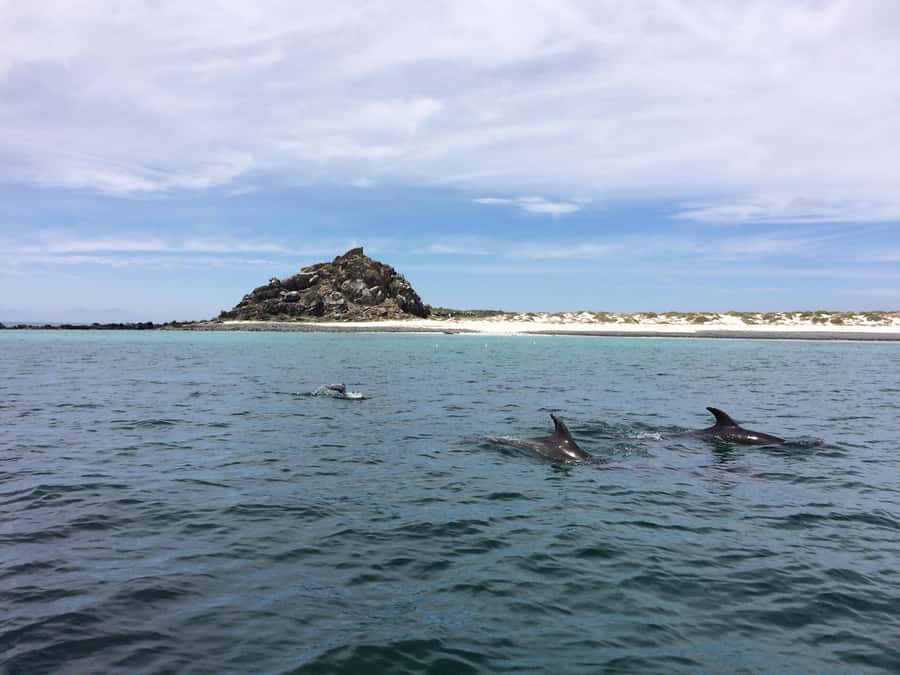
I would recommend this tour to you if you want a broad introduction to northern coastal Chile in one outing. It suits people who enjoy wildlife, local geography, coastal communities, photography, and guided road trips.
It is especially useful if your time in La Serena is limited. You can see the coast, the desert edge, fishing settlements, islands, and marine life without arranging several separate services.
You should think twice if you dislike long days, boats, fixed meal times, or uncertain wildlife. Seasickness is a specific concern, and the activity is not suitable for people prone to it. The walk and boat access also make it unsuitable for people with mobility limitations, back problems, or epilepsy.
The best practical move is to keep the day after this excursion fairly light. The schedule begins and ends in La Serena, but the route includes many stops and a boat ride. Give yourself room to enjoy the day rather than worrying about a dinner reservation later.
Final call: book it for the whole coast, not only the whales
I would book this tour if you want the full story of the area: desert meeting ocean, fishing communities, cactus-covered islands, unusual food, and a real chance at Humboldt penguins and whales. The strongest guides add real value, and the comfortable transport makes a long route easier.
I would not book it if your only goal is guaranteed whale watching. Sightings vary sharply, and one quiet boat trip can make $280 feel steep. Check the weather update two days before departure, bring warm layers, accept that lunch may run on a tight schedule, and choose the tour for its complete coastal experience.
FAQ
Where does the tour begin and end?
Pickup and drop-off are provided at your accommodation in La Serena.
How long does the experience last?
The excursion lasts about 10 hours.
What languages are available?
The live guide service is available in English and Spanish.
Is transportation included?
Yes. The tour includes pickup, return transfer, and air-conditioned transport.
Which islands do you visit?
The route includes boat navigation around Seagulls, Choros, and Damas islands. Isla Choros and Isla Damas are listed as guided stops.
What wildlife might I see?
Possible sightings include Humboldt penguins, sea lions, sea otters, dolphins, whales, seabirds, birds of prey, and other marine life. Sightings depend on conditions and animal activity.
Is lunch included?
Yes. Lunch includes different starter, main course, and dessert options, along with wine, water, or a soft drink.
What should I bring?
Bring warm clothing, outdoor clothing, and clothing suited to the weather. The tour depends on wind, tides, waves, and suitable climate conditions, so the operator checks conditions two days before departure.
More Hiking Tours
- Puerto Natales: Base of the Towers Day Hike
★ 4.8 · 727 reviews - From Santiago: Cajón del Maipo and Volcán San José Hike 8K
★ 4.9 · 418 reviews - Puerto Natales: Base of the Towers Trekking Experience
★ 4.8 · 191 reviews - Puerto Natales: Base Torres Small Group Trekking
★ 4.9 · 106 reviews
Just added around Chile
- Cejar & Tebenquiche Lagoons Tour with Ojos del Salar Atacama★ 3.4 · 3 reviews
- San Pedro de Atacama: Valle de la luna★ 3.0 · 3 reviews
- Atacama Desert: Floatation in Laguna Cejar and Sunset★ 3.1 · 3 reviews
- Valparaíso: city tour and ticket to the house of Pablo Neruda★ 5.0 · 3 reviews
- Astronomical Tour: San Pedro de Atacama – Chile★ 4.5 · 3 reviews
- Puerto Montt: Osorno Volcano Tour Shore Tour in Private★ 4.6 · 3 reviews
- San Pedro de Atacama: Astronomical Tour★ 3.9 · 3 reviews
- Valle de la Luna: A Moon-Like Escape in Atacama★ 5.0 · 3 reviews
Penguin Colony Tours, compared.
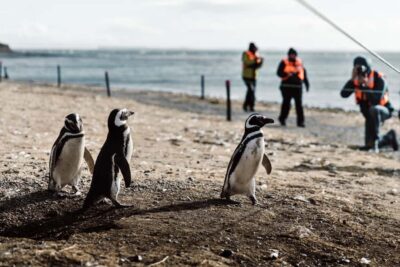
Walk with Penguins on Magdalena & Marta Island
Read our review →
Walk alongside Penguins on Magdalene Island and navigate Marta Island
Read our review →
Falkland Islands Shared Tour Sightseeing with Penguins
Read our review →
Magdalena Island Penguin Tour by Boat from Punta Arenas
Read our review →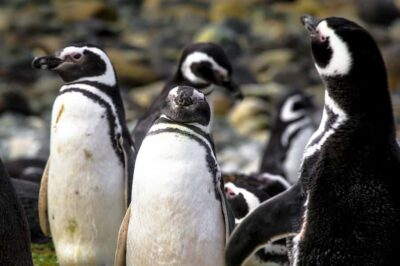
Browse the lists this tour appears in