
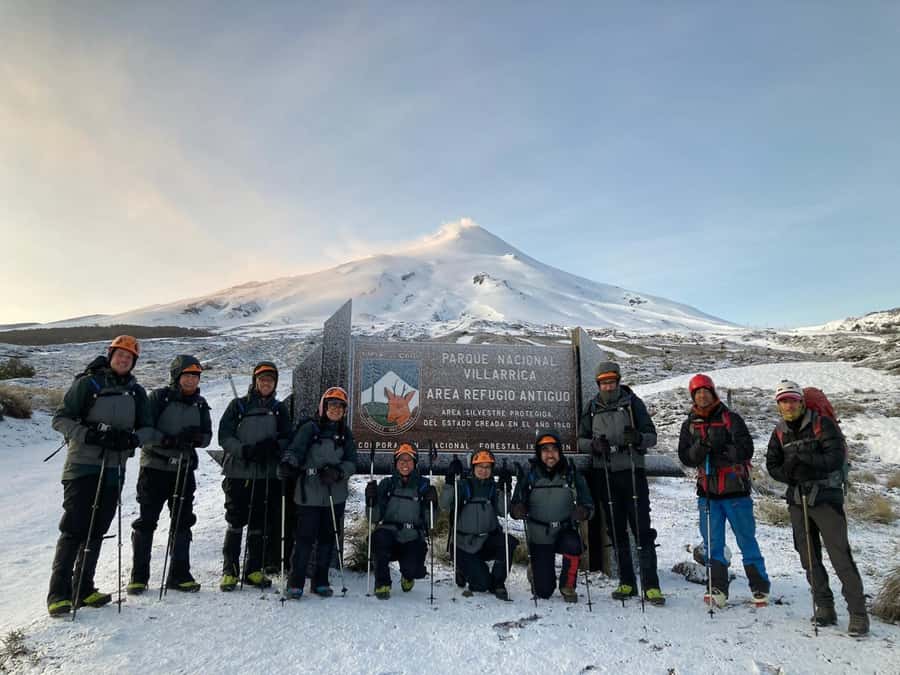
Reviewed · VILLARRICA VOLCANO & PUCóN TOURS
Pucón: Villarrica Volcano Climb
Volcano days are rarely ordinary. This 9-hour ascent from Pucón gives you a serious mountain challenge, close views into an active crater, and the memorable thrill of sliding back down snowy slopes. I especially like the excellent guide-to-climber ratio, with one certified guide for every three participants, and the fact that mountain boots, crampons, ice axe, helmet, clothing, and other key gear are supplied. The main catch is simple: this is a hard, weather-dependent climb, not a relaxed outing, and the summit may be closed because of wind, volcanic activity, or poor visibility.
You meet Zenit Travel in central Pucón, complete an equipment check the day before, then leave early for Villarrica National Park. Guides such as Nacho, Osiel, Raul, Felipe, Sebastian, and Luisa have earned strong praise for clear instruction, patience, and safety. Still, ask about the ski lift, summit access, group size, and the required food and clothing before you commit.
In This Review
- Key points to know before climbing
- Why Villarrica makes such a memorable climb
- The 6:00 a.m. start in central Pucón
- Equipment check and what you still need to bring
- The first 1,200 meters: steady hiking before the ice
- Crampons, ice axes, and the final climb
- Reaching 2,847 meters and looking into the crater
- The snow-slide descent is half the fun
- How hard is the Villarrica climb?
- Weather, volcanic activity, and the possibility of stopping early
- Is $190 good value?
- Who should book this experience?
- Should you book the Villarrica Volcano Climb?
- FAQ
- Where does the Villarrica volcano climb begin?
- What time should I arrive?
- How long does the full experience last?
- How long does the climb to the summit take?
- How high is the summit?
- Do I need previous climbing experience?
- Is the summit always reached?
- What equipment is provided?
- What do I need to bring?
- Is the ski lift included?
Key points to know before climbing
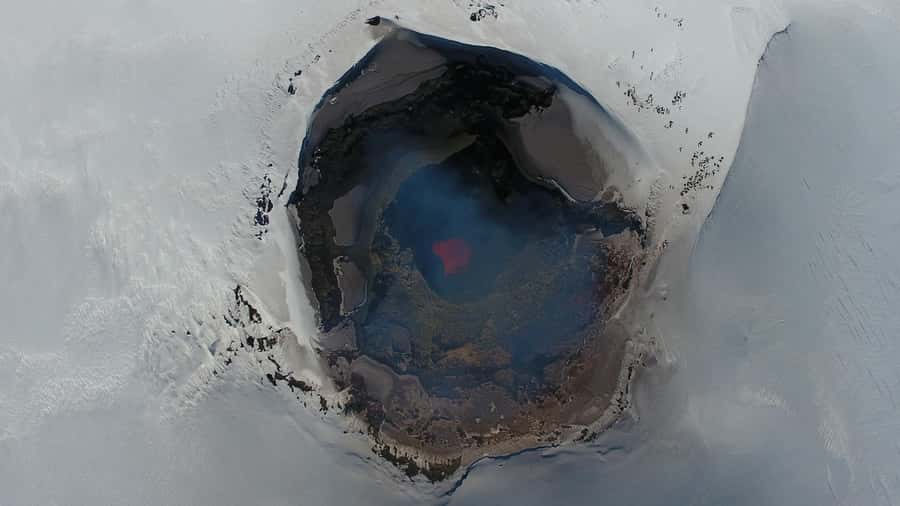
- The summit reaches 2,847 meters, with views across volcanoes, lagoons, forests, and the crater itself when conditions allow.
- The ascent takes five to six hours, followed by a descent that can take about half that time.
- Snow sliding makes the descent special, but you may get wet and cold, and poor weather can cancel the sliding section.
- Most of the technical equipment is supplied, including boots, crampons, ice axe, helmet, jacket, trousers, gloves, gaiters, poles, and backpack.
- You need reasonable fitness, not previous mountaineering experience, though the climb is steeper and more tiring than many first-time hikers expect.
- Weather and volcanic conditions control the day, so reaching the crater rim is never guaranteed.
Why Villarrica makes such a memorable climb
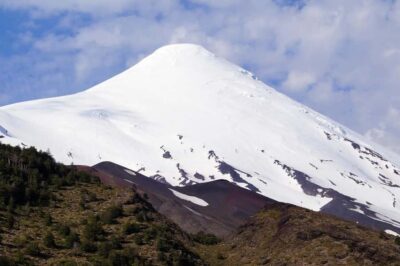
Villarrica is one of the most recognizable active volcanoes in Chile. It belongs to the Pacific Ring of Fire, and the point of the trip is not simply to reach a high summit. You are walking toward a live geological system, with fumaroles, volcanic gases, and, at times, a glimpse of lava inside the crater.
That active status gives the day a different feel from a standard mountain hike. The guides monitor the volcano’s seismic activity each day, and the route can change if conditions become unsafe. You may climb with the expectation of reaching the top, only to stop lower down or switch to another plan. That uncertainty is part of the bargain.
At the summit, you get about half an hour to look into the crater and take in the wide views. On a clear day, the reward includes surrounding volcanoes, lagoons, and forests. Several people found the view alone worth the hard work, while others said the journey itself, especially the snow descent, was the best part.
I would treat the crater as a bonus rather than a promise. That mindset will help you enjoy the day even if wind, cloud, or volcanic restrictions prevent a full ascent.
More Villarrica and Pucon days:
- From Puerto Varas: Osorno Volcano & Petrohue Falls Day Tour
★ 4.6 · 121 reviews - Villarrica Volcano Ascent – Zenit
★ 5.0 · 111 reviews - Puerto Montt: Osorno Volcano and Petrohué Falls Guided Tour
★ 4.5 · 104 reviews
The 6:00 a.m. start in central Pucón
The meeting point is the Zenit Travel office at Pedro de Valdivia 205. You should arrive at about 6:15 a.m., although the planned meeting time is listed as 6:00 a.m. Look for Zenit Travel under the arch.
The early start serves two purposes. It gives the group more time on the mountain, and it may help you avoid some of the congestion that can form on the route. One participant found that a large group moved slowly and encountered queues on the ascent, suggesting that an earlier departure or smaller group can make a real difference.
Transportation from the office to the volcano takes about 30 minutes. Hotel pickup and drop-off are not included, so you need to reach the office yourself. That is easy enough if you are staying in central Pucón, but allow time to find the entrance and arrive with your food, water, and personal clothing ready.
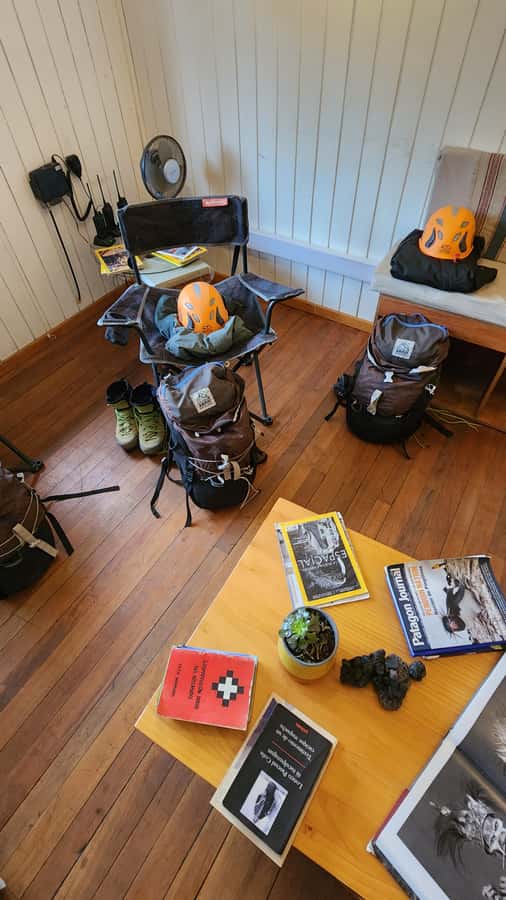
The day before, you visit the office for a boot fitting and equipment check. Do not skip this step. A poor boot fit can lead to blisters, and one participant had a painful experience after the boots caused trouble during the climb. Try on everything carefully, walk around in the boots, and tell the staff at once if anything feels wrong.
Equipment check and what you still need to bring
Zenit Travel supplies an impressive amount of mountain equipment:
- Mountain boots
- Poles
- Crampons
- Ice axe
- Helmet
- Backpack
- Trekking trousers
- Jacket
- Gloves
- Gaiters
This saves you from packing or renting bulky technical equipment for one day. It also adds real value to the $190 price, especially if you are visiting Chile without your own alpine gear.
You still need to bring food and drinks, sunscreen, sunglasses, and suitable personal trekking clothes. The supplied jacket and trousers do not remove the need for layers. Conditions shift as you gain height, and you can feel warm while climbing but cold during rest stops or at the summit.
A buff is a smart extra. One climber specifically wished they had brought one, and it can help with wind, cold, sun, and volcanic dust. Pack enough water for a long day and food that you can eat without much fuss. The company suggests eating pasta or another carbohydrate-heavy meal the night before and staying well hydrated. Avoid alcohol before the climb.
The ski resort may offer a lift for the first section of the approach, but the ticket is not included. The lift was not always clearly explained during the equipment fitting, and you may need cash to pay for it. Ask about the lift, price, operating conditions, and whether it is useful for your group before leaving the office.
The first 1,200 meters: steady hiking before the ice
The route begins at roughly 1,200 meters above sea level in Villarrica National Park. The first stage is traditional uphill hiking, with the guides setting an easy pace to help you adjust to the height.
Do not read easy pace as easy climb. The route continues upward with few genuinely flat sections, and several people found the steady incline harder than expected. You need a reasonable level of fitness and the ability to walk uphill for hours. Previous climbing experience is not required, but regular exercise will help.
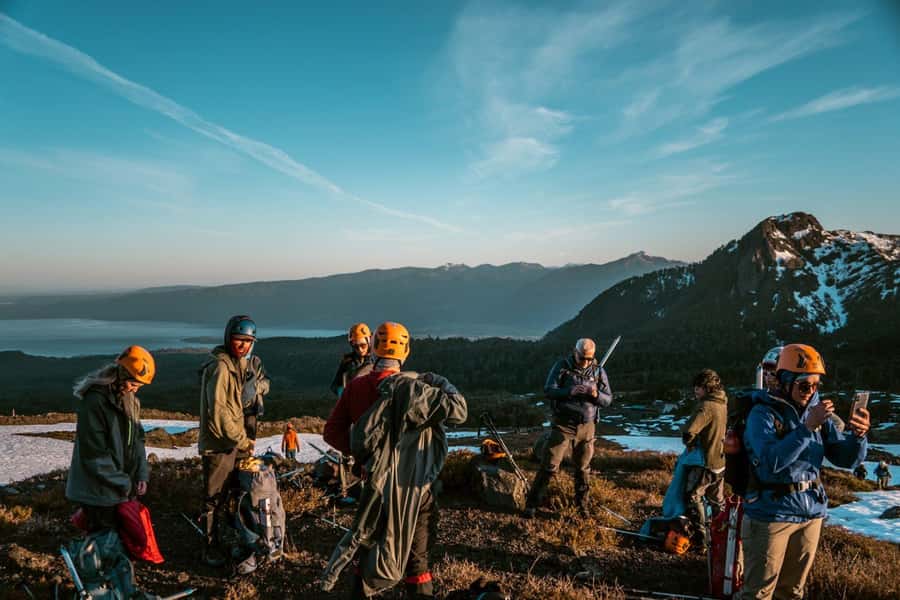
The guide team is one of the strongest parts of this outing. Groups can split by pace when enough guides are present, and the staff keep in contact by radio. That allows a faster group to continue without abandoning slower climbers, while those who need more breaks can move at a safer rhythm.
This matters more than it may sound. A long uphill day can become miserable if you feel rushed or embarrassed about your pace. Here, the guides are praised for patience, encouragement, and close attention to each person. Guides including Osiel, Nacho, Raul, Felipe, Sebastian, and Luisa have been singled out for safety, humor, clear communication, and personal support.
The guides also talk about Andean Indigenous peoples, their relationship with the mountains, and basic volcanology. The quality of the geological explanation can depend on the guide and the day, so if you are curious, ask questions as you climb. It is a better way to understand the volcano than simply staring at your boots for hours.
A few more Chile trips worth weighing up
- Guided Kayak Trip on Liucura River
★ 5.0 · 87 reviews - Full Day Mountaineering to Villarrica Volcano from Pucón
★ 5.0 · 62 reviews - Horseback Trailride Excursion
★ 5.0 · 48 reviews - Trekking Mirador el volcano + Geometric hot springs
★ 5.0 · 38 reviews
Crampons, ice axes, and the final climb
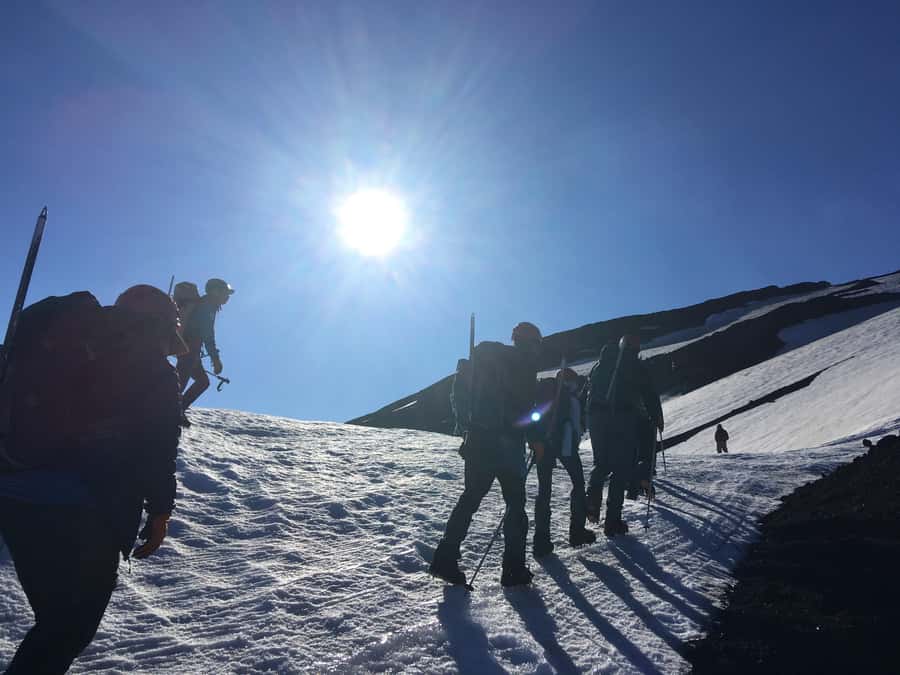
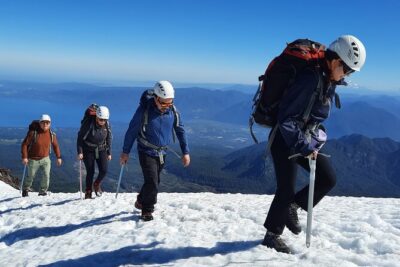
As you approach the glacier and snow, the character of the hike changes. The guides explain how to use crampons and ice axes, then help you move across the steeper snow sections.
For a first-time alpine ascent, this is a valuable part of the experience. You learn enough technique to move safely under supervision, without needing to buy a full set of equipment or take a separate mountaineering course. The guides explain procedures clearly and check that everyone understands them.
The climb can feel intense here. You are working uphill at altitude, carrying a backpack, and concentrating on your footing. One participant in good athletic condition still found the effort tougher than expected. Another described the route as having almost no flat sections. Take the breaks seriously, drink regularly, and let your guide know early if your feet, ankles, back, or breathing are causing trouble.
The route and equipment may vary with conditions. Some groups have climbed sections without crampons when guides judged that it was faster, while other groups used them for the snowy ascent. Follow the instructions given to you on the day rather than copying another group.
Reaching 2,847 meters and looking into the crater
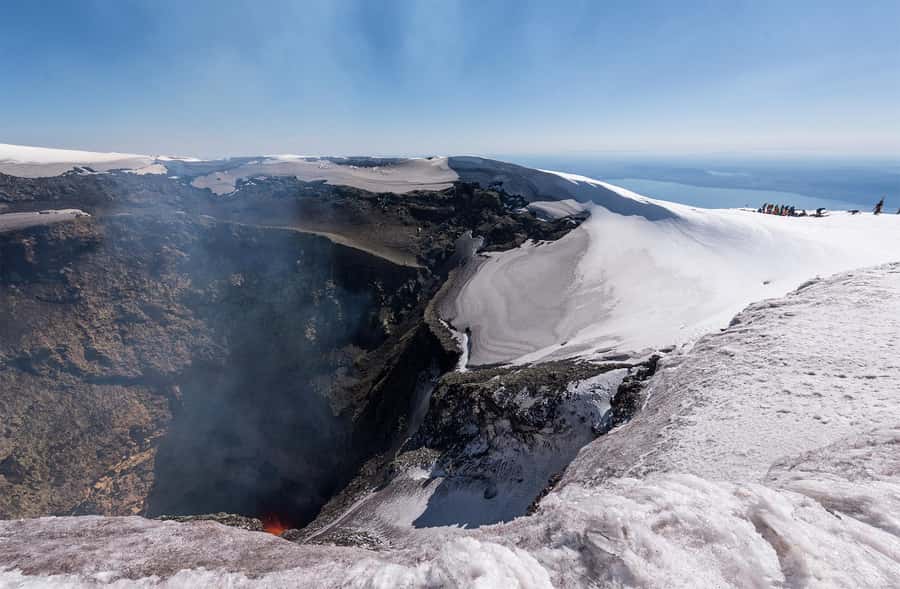
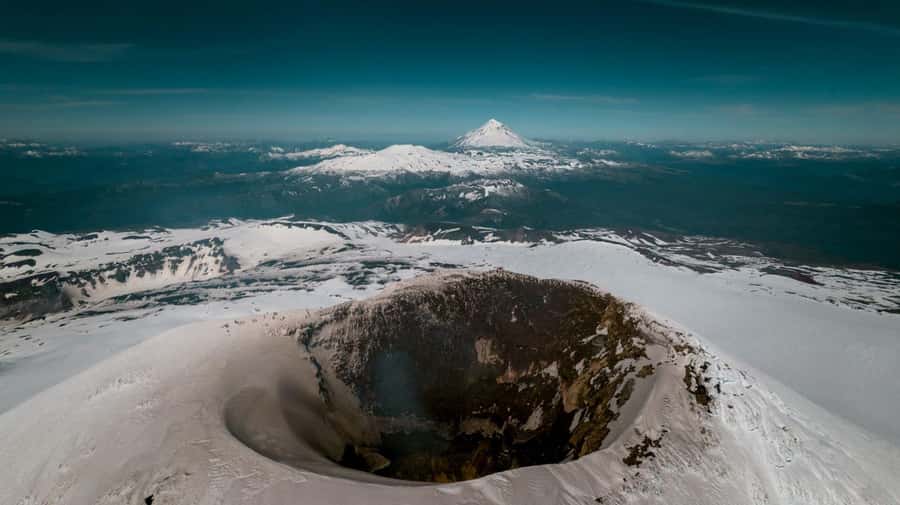
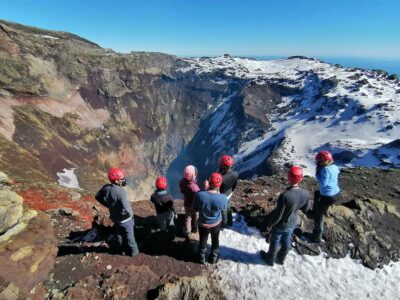
After around five to six hours of climbing, you may reach Villarrica’s 2,847-meter summit. The payoff is direct and dramatic: you can look into the crater and see its geological formation, with fumaroles and possibly lava if volcanic conditions allow.
This is not a quiet, gentle summit. The volcano’s activity, gases, and wind all matter. You need to listen carefully to the guides and respect any decision to stop short. On some days, summit access has been restricted because of a yellow warning level or recent volcanic activity. On others, high winds or poor visibility have ended the climb early.
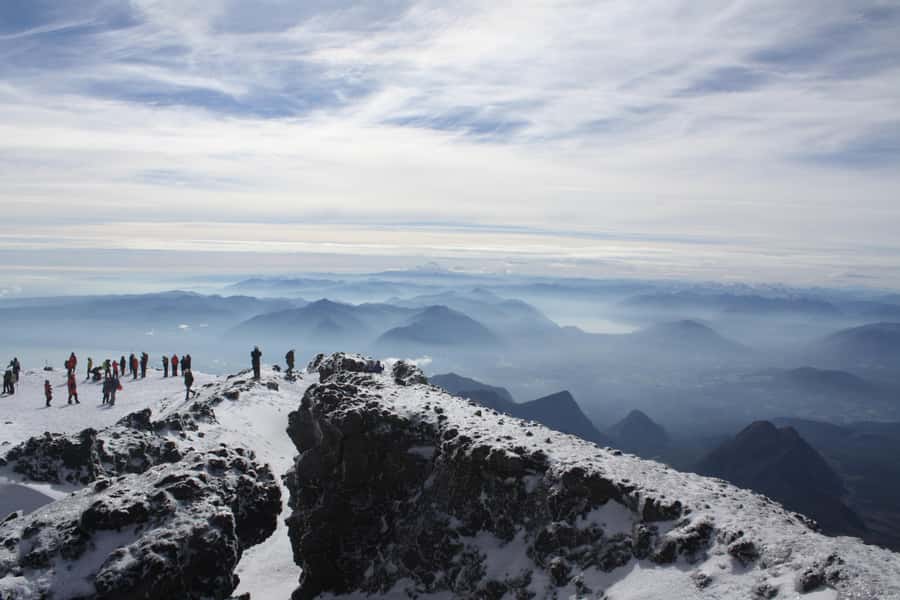
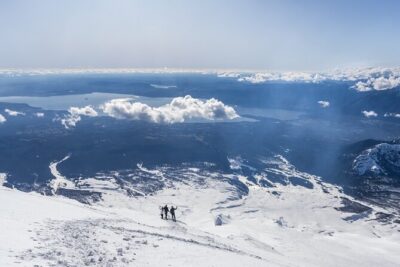
When the weather cooperates, the views extend across forests, lagoons, and other volcanoes. An early start can also bring fine morning light and sunrise views. The group normally spends about 30 minutes near the top, which is enough time to enjoy the crater, take photographs, and recover before descending.
Do not expect the summit stop to feel leisurely. You have already climbed for hours, and the wind can make the top feel cold. Keep a layer handy and protect your eyes and skin from strong sun.
The snow-slide descent is half the fun
The return takes about half as long as the ascent, but it is not simply a downhill walk. Where snow conditions permit, you combine walking with controlled sliding on the snow.
This is the feature that turns a demanding climb into a playful adventure. You sit and slide down prepared snowy sections, often descending much faster than you climbed. Several people described this as the highlight of the whole day, and it can be especially welcome if your knees dislike long downhill walking.
You may get wet and cold, so keep spare warmth in mind. The sliding is controlled and guided, but it still requires attention. Listen closely to instructions about how to brake, steer, and use your equipment. Poor weather may remove this part of the experience altogether.
The final descent can be tiring in a different way. Your legs are already worn out, and snow conditions may change as you lose height. The guides continue to watch the group, and their willingness to adjust the pace is important here.
Once you reach the base, the vehicle takes you back to the office in Pucón. The full day lasts about nine hours, though the exact return time depends on weather, group pace, route conditions, and whether you reach the summit.
How hard is the Villarrica climb?
The company says no previous experience is needed, and that is fair. You do not need to arrive as a trained mountaineer. The technical instruction is provided, and the guides supply the necessary equipment.
You do need decent physical condition. This is a sustained uphill effort lasting five to six hours, followed by a demanding descent. The route can feel relentless because there are few flat stretches. If you exercise regularly and are comfortable with long uphill walks, it is likely manageable. If you rarely exercise, you may find it very difficult.
The age limit is 18, and the activity is not suitable for children. You should also think carefully about existing foot, ankle, knee, or back problems. One participant developed blisters and ankle pain, while another found that looking down for long periods caused back discomfort.
Tell the guides about problems early. The group system allows the pace to change, and the staff have shown they will stop or turn around when safety requires it. A summit is never worth ignoring your body or the mountain conditions.
Weather, volcanic activity, and the possibility of stopping early
Weather is the biggest variable. Wind can be fierce and unpredictable, and clouds can erase the views. Some groups have reached the top through a brief weather window, while others have stopped short because the conditions were not safe.
Volcanic activity also affects the route. Daily seismic monitoring helps the guiding team make decisions, but it cannot guarantee summit access. The crater may be closed even when the lower slopes are open. You may still have a strong day of mountain walking, but you should not book this expecting a guaranteed crater visit.
The company has offered alternatives or discussed different options when conditions changed. That transparency is important. Before you go, ask what happens if the summit is closed, what part of the route remains available, and whether rescheduling is possible for your date.
The cancellation terms allow a full refund if you cancel at least 24 hours ahead. You can also reserve now and pay later, which helps if your Pucón schedule depends on several outdoor activities. Keep checking the forecast and volcano status rather than assuming the trip will run exactly as planned.
Is $190 good value?
At $190 per person, this is not a cheap day hike. It is a fair price if you need equipment and want a guided ascent of an active volcano.
The fee covers transportation from the central office, the Villarrica National Park entrance, and a long list of technical gear. The one-guide-for-three-participants arrangement is especially important. You are paying not just for a walk, but for route management, equipment instruction, safety checks, and support during a demanding alpine day.
Food, drinks, sunscreen, sunglasses, personal trekking clothes, and the optional ski lift cost extra. The lift can save energy early in the route, but you need to ask about it and bring the required cash if you want to use it.
I would compare the price with the cost of renting boots, crampons, an ice axe, helmet, clothing, and transport separately. For most visitors without mountain equipment, the package offers solid value. If you already own everything and prefer hiking independently, the price may feel higher, but an active volcano is not the place to cut corners on guidance.
Who should book this experience?
You should consider it if you want a physically demanding day, enjoy high mountain views, and like the idea of combining real effort with a playful descent. It suits fit adults who are comfortable starting early, carrying a pack, and spending most of the day outdoors.
It is also a good choice for first-time alpine hikers who want structured instruction and supplied equipment. The guides have a strong record of helping slower climbers and dividing groups by pace when possible.
Think twice if you want a relaxed excursion, dislike uncertain plans, or have current foot, ankle, knee, or back problems. You should also be comfortable paying for a day that might stop below the crater because of conditions. The climb is rewarding, but it asks a lot from you.
Should you book the Villarrica Volcano Climb?
I would book this with realistic expectations. The best reasons are the close encounter with an active volcano, the strong guide support, the supplied technical gear, and the thrilling snow-slide descent. The experience has earned a 4.8 rating from 191 reviews, with the guide team receiving the most consistent praise.
Before booking, contact Zenit Travel and confirm four things: current summit access, the expected group size, the ski-lift option, and exactly what clothing and cash you need. Visit for the equipment fitting the day before, test your boots properly, eat well, hydrate, and arrive ready for a long uphill effort.
If you accept that weather controls the mountain, this can be one of Pucón’s most memorable days. If you need a guaranteed summit and an easy pace, choose a lower-impact activity instead.
FAQ
Where does the Villarrica volcano climb begin?
You meet at the Zenit Travel office at Pedro de Valdivia 205 in central Pucón. Look for Zenit Travel under the arch.
What time should I arrive?
You should arrive at about 6:15 a.m. on the activity day. The planned meeting time is listed as 6:00 a.m., so arriving early is sensible.
How long does the full experience last?
The activity lasts about nine hours, including the 30-minute drive each way between Pucón and Villarrica National Park.
How long does the climb to the summit take?
The ascent usually takes about five to six hours. The descent takes roughly half as long, depending on conditions and group pace.
How high is the summit?
The summit reaches 2,847 meters above sea level.
Do I need previous climbing experience?
No previous experience is required. You do need a minimum level of physical condition because the climb is long and consistently uphill.
Is the summit always reached?
No. The program depends on weather, wind, visibility, volcanic activity, and daily seismic monitoring. The group may stop below the summit when conditions are unsafe.
What equipment is provided?
The tour provides mountain boots, poles, crampons, an ice axe, helmet, backpack, trekking trousers, jacket, gloves, and gaiters.
What do I need to bring?
Bring food, drinks, sunscreen, sunglasses, and your own trekking clothing. Layers and a buff are useful because conditions can change during the climb.
Is the ski lift included?
No. The ski resort towing ticket is not included. Ask about the lift during your equipment fitting, since it may require separate payment and can help save energy on the lower approach.
Just added around Chile
- Cejar & Tebenquiche Lagoons Tour with Ojos del Salar Atacama★ 3.4 · 3 reviews
- San Pedro de Atacama: Valle de la luna★ 3.0 · 3 reviews
- Atacama Desert: Floatation in Laguna Cejar and Sunset★ 3.1 · 3 reviews
- Valparaíso: city tour and ticket to the house of Pablo Neruda★ 5.0 · 3 reviews
- Astronomical Tour: San Pedro de Atacama – Chile★ 4.5 · 3 reviews
- Puerto Montt: Osorno Volcano Tour Shore Tour in Private★ 4.6 · 3 reviews
- San Pedro de Atacama: Astronomical Tour★ 3.9 · 3 reviews
- Valle de la Luna: A Moon-Like Escape in Atacama★ 5.0 · 3 reviews
Villarrica Volcano & Pucón Tours, compared.
Full Day Mountaineering to Villarrica Volcano from Pucón
Read our review →
Ascent to Villarrica volcano 2,847masl, from Pucón
Read our review →
Browse the lists this tour appears in