
Reviewed · TICKETS
Museo Chileno de Arte Precolombino Admission Ticket
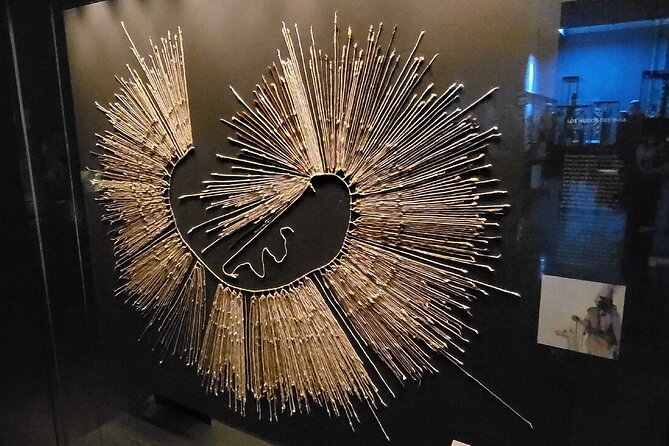
Ancient art tells Chile’s story. The Museo Chileno de Arte Precolombino brings together objects from South and Central America in a beautifully restored 1805 colonial building, making it an easy and worthwhile cultural stop in central Santiago. I like the carefully presented collection and the Spanish and English explanations, which make the visit useful even if your knowledge of Indigenous American cultures is limited. The cafe and small gift shop are welcome extras.
The main caution is scale. This is not a huge museum, and one exhibition area may be closed when you visit. Some lower-level rooms are dark, and the signs can be harder to read there. Still, the $17 admission is fair for a self-guided visit, especially if you want a quiet two-hour break from Santiago’s streets.
In This Review
- Key points to know before you go
- Why this museum belongs in a Santiago sightseeing plan
- Entering the former Royal Customs House
- Chile before Chile, the main exhibition
- South and Central American art beyond Chile
- How to plan the two-hour visit
- Reading the displays and handling the darker lower level
- The cafe and gift shop add real value
- Is the $17 ticket good value?
- Who will enjoy this stop most?
- Booking, arrival, and cancellation advice
- Should you book the Museo Chileno de Arte Precolombino?
- FAQ
- Where is the Museo Chileno de Arte Precolombino?
- How much does admission cost?
- How long does the visit take?
- When is the museum open?
- What does the ticket include?
- Are discounted tickets available?
- Can children visit the museum?
- Can I cancel for a refund?
Key points to know before you go
- A 1805 colonial setting: The museum occupies Santiago’s former Royal Customs House, built in neoclassical style.
- Chile before Chile: The permanent exhibition traces human life in the territory now called Chile from more than 14,000 years ago to present-day Indigenous communities.
- Spanish and English text: Explanations in both languages make the displays easier to follow.
- A self-guided cultural stop: You set your own pace, with the listed visit taking about 30 minutes and the full experience often allowing about two hours.
- Useful extras inside: A cafe and gift shop give you a place to pause after the galleries.
- Good central-city value: The museum is near public transportation, and the $17 ticket includes admission without adding food or transport costs.
Why this museum belongs in a Santiago sightseeing plan
Santiago can fill your days with plazas, viewpoints, markets, and grand civic buildings. This museum gives those sights a broader frame. It asks you to consider who lived in this part of the world long before modern Chile took shape.
The permanent exhibition, Chile before Chile, begins more than 14,000 years ago. Its focus is not simply on old objects behind glass. It connects ancient inhabitants with the Indigenous people of Chile today, pointing to continuing links in genes, artistic expression, and epic stories.
That makes the museum more useful than a quick display of attractive pottery. You get a better sense of how Chilean identity has been formed by many communities across very different parts of South America. The exhibits also show similarities and differences in regional craft and culture, so you can compare styles rather than viewing each object in isolation.
I especially like this approach for a first visit to Chile. You do not need to know the names of every culture or period before entering. The museum gives you a starting map, then lets the objects carry much of the story.
A few more Santiago trips worth weighing up
- Santiago: Cajon del Maipo/Embalse del Yeso Tour with Picnic
★ 4.3 · 3,789 reviews - Santiago: Vina Del Mar, Valparaiso, Casablanca & Reñaca Tour
★ 4.2 · 2,838 reviews - Small-Group Cajón del Maipo Full-Day Tour and Picnic
★ 4.5 · 2,277 reviews
Entering the former Royal Customs House
The building is part of the experience. Constructed in 1805 in neoclassical style, it originally served as the colonial government’s Royal Customs House. That setting adds weight to the visit without requiring a separate architectural tour.
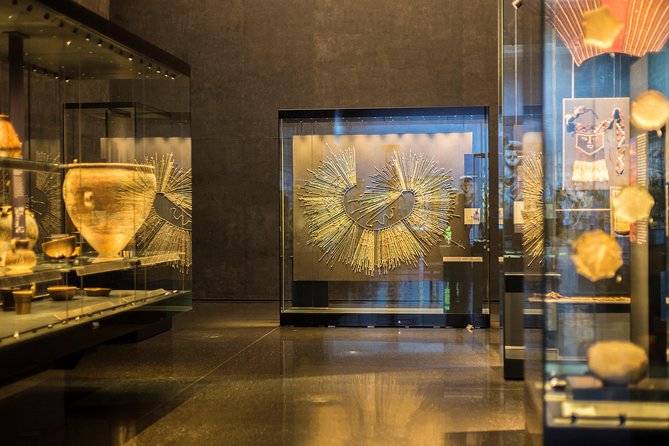
You move through a historic civic building rather than a modern purpose-built gallery. The old structure gives the museum a sense of place in central Santiago, and it helps connect the collection to the city around it.
The location is practical, too. The museum is near public transportation and within walking distance of at least some central hotels, including the area around the Crowne Plaza. You do not need to arrange a special transfer, and transport to and from the museum is not part of the ticket.
The museum is open Tuesday through Sunday from 10:00 a.m. to 5:00 p.m. It is closed Mondays according to the supplied operating schedule, so check your calendar before building it into a tight Santiago plan.
Chile before Chile, the main exhibition
The permanent exhibition is the heart of the visit. It looks at the people who inhabited the territory now known as Chile and at their descendants, the present-day Indigenous people of the country.
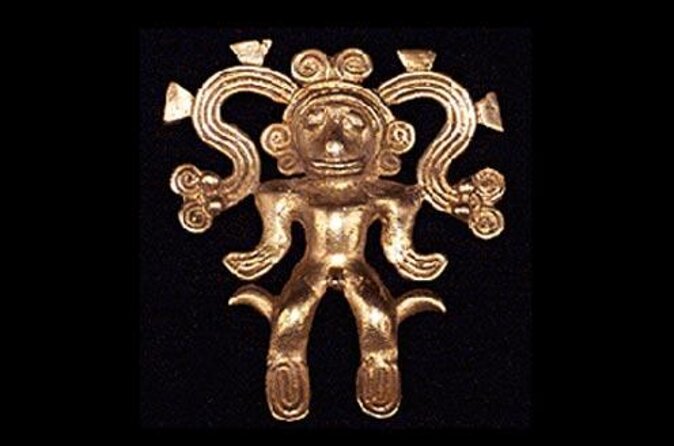
The subject is broad because Chile itself covers a long, varied stretch of South America. The collection presents art and objects from different communities and regions, giving you a chance to see how materials, forms, and artistic ideas change across cultures.
Expect to spend time looking closely. Much of the appeal lies in the detail of the pieces, not in their size. Intricate work rewards a slow pace, and the bilingual labels help explain what you are seeing in Spanish and English.
The official outline assigns about 30 minutes to the permanent exhibition. I would treat that as a brisk visit, not a limit. If you read the labels, compare objects, and pause for the visual details, you can spend longer. The overall ticketed experience is described as approximately two hours, which gives you room to explore without rushing.
The collection is also more varied than its name may suggest. The subject is pre-Columbian art, but the museum’s purpose reaches into Chilean identity today. You are not simply looking at a vanished past. You are being shown connections between ancient cultures and living communities.
South and Central American art beyond Chile
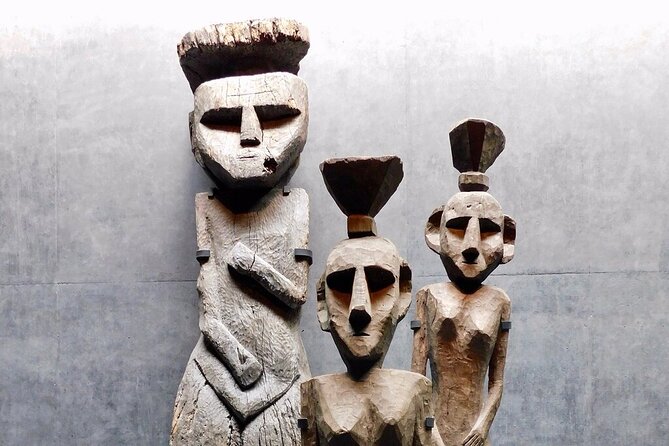
One strength of the museum is its wider regional scope. The displays include cultural material from South and Central America, so the visit is not limited to a single Chilean story.
That range helps you spot both shared ideas and local differences. Similar forms of craft may appear in separate regions, while the details reveal distinct traditions. This is valuable if you plan to visit other museums or archaeological sites during a South American trip because it gives you a visual vocabulary for understanding what follows.
I would not expect every part of the region to receive equal space. The museum is described as smaller than some visitors expect, and one exhibition area has been unavailable for an extended period according to the supplied information. That can reduce the amount you see on a particular day.
The result is a museum that feels focused rather than enormous. If you want a full survey of every major pre-Columbian culture, this may not satisfy you on its own. If you want a clear introduction with beautiful objects and manageable galleries, its size works in your favor.
A completely different sort of day out of Santiago:
- Santiago: Cajon del Maipo & Embalse El Yeso Trip with Picnic
★ 4.5 · 1,859 reviews - Tourist bus around Santiago for a day
★ 4.5 · 1,857 reviews - Viña Del Mar-Valparaiso -Casablanca -Reñaca-Oceanic Rock-Concon
★ 4.5 · 1,564 reviews - Santiago: Valparaiso, Viña del Mar, & Casablanca Valley Tour
★ 4.8 · 1,491 reviews
How to plan the two-hour visit
The ticket is designed for a self-guided experience. There is no guide included, and no transportation is provided. That gives you freedom, but it also means you should allow time to read and interpret the displays at your own speed.
A sensible plan looks like this:
- Allow at least 30 minutes for the permanent Chile before Chile exhibition.
- Give yourself up to two hours if you want to read the bilingual explanations and take a slower look.
- Leave a little time for the cafe or gift shop if those appeal to you.
- Check the museum’s opening day and hours before arriving, especially if Monday is part of your plan.
The smaller footprint makes this an easy family stop or a useful addition between other central Santiago sights. You are unlikely to feel trapped in a giant complex with too many rooms to cover. At the same time, do not assume that a short listed duration means the museum is disposable. Detailed objects can hold your attention longer than expected.
Children must be accompanied by an adult. The activity allows most people to participate, and the maximum group size is 15. Since the experience is self-guided, that limit matters less than it would on a guided walking tour, but it can still help keep the museum visit manageable.
Reading the displays and handling the darker lower level
The written material is one of the museum’s strongest practical features. Spanish and English explanations let you understand the objects without needing to translate every label.
Still, the lower level may require patience. It is quite dark in places, and some signs can be difficult to read. I would avoid rushing through that section, and I would allow extra time if labels are a major reason for your visit.
This is a small issue, but it changes how you experience the museum. Visitors who mainly want to look at the objects may barely notice it. If you enjoy detailed historical context, the lighting and signage could slow you down.
The museum’s presentation is generally clear, with a layout that is easy to follow. That matters in a collection covering many cultures. Good flow prevents the visit from becoming a pile of unrelated displays.
The cafe and gift shop add real value
A cafe inside the museum gives you a convenient place to rest. Food and drinks are not included in the $17 admission, but having refreshments on site is useful if you want to turn the museum into a calm mid-day stop.
The gift shop is another pleasant extra. It gives you a chance to continue the subject beyond the galleries, though the available information does not specify what it sells or how large it is.
A small surprise may await outside the galleries. One visit ended with opera singing in the hallway, an unusual bit of atmosphere for a museum stop. That is not a scheduled part of the ticket, so do not plan around it, but it suggests the building can feel connected to Santiago’s wider cultural life.
Is the $17 ticket good value?
At $17 per person, this is not the cheapest quick attraction in Santiago. The value depends on how you use it.
If you walk in, look at a few objects, and leave after 20 minutes, the price may feel high for the museum’s smaller scale. If you spend an hour or two with the permanent exhibition, read the bilingual text, and use the cafe or gift shop, the admission becomes easier to justify.
The ticket also buys a self-guided cultural experience in a historic central building. You do not pay separately for an audio guide or transfer, because neither is included. Your main cost beyond admission is simply getting there and buying anything you choose inside.
Chilean nationals, foreign residents in Chile, and students can purchase discounted tickets directly at the entrance by showing identification. If you fit one of those categories, buying at the museum may be better value than pre-booking the standard ticket.
For everyone else, pre-booking is most useful when you want the admission arranged before your Santiago sightseeing day. The experience is booked an average of 18 days ahead, which suggests that planning early can be sensible during busy travel periods. That does not prove daily sellouts, so I would not treat it as a warning to panic-book. It is simply a reason to reserve if your schedule is fixed.
Who will enjoy this stop most?
I would recommend the museum to you if you like art, archaeology, Indigenous cultures, or museums that connect the past with present-day identity.
It also suits families. The visit is contained, the flow is easy to follow, and bilingual explanations help adults and older children understand the displays. Children still need adult supervision, and younger children may not stay interested for two hours, so plan your timing sensibly.
This is a strong choice for a rainy day, a hot afternoon, or a quiet break from outdoor sightseeing. It also works well for anyone staying in central Santiago and looking for an attraction near public transportation.
You may want to skip it if you are seeking a huge museum with many active exhibitions. The available information indicates that one exhibition area has been closed for some time, leaving a smaller selection than expected. If you have already visited several museums focused on pre-Columbian art, the collection may feel less extensive than a major institution elsewhere.
Booking, arrival, and cancellation advice
Confirmation is provided when you book. The museum ticket is included, but food, drinks, and transport are not.
Free cancellation is available if you cancel at least 24 hours before the experience begins. If you cancel within the final 24 hours, you should not expect a refund, and changes made in that period are not accepted. The cut-off follows local Santiago time.
Keep your booking details accessible when you arrive. One visitor had trouble getting the ticket app to work, but museum staff checked the reservation and printed the booking. That is a useful reminder to carry confirmation information in a form you can open, even if the digital ticket fails.
Should you book the Museo Chileno de Arte Precolombino?
Yes, if you want a well-presented introduction to the peoples and artistic traditions that shaped Chile and the wider region. The historic building, bilingual explanations, careful layout, cafe, and central location make this an easy museum to add to a Santiago day.
I would book it as a focused cultural stop, not as an all-day museum expedition. Allow 30 minutes for a quick look or up to two hours for a more thoughtful visit. Check whether the exhibition area you most want to see is open, and remember that the lower level can be dark.
At $17, it offers good value when you take time with the objects and ideas. It is especially worthwhile for first-time visitors to Chile who want more than postcard views and modern city sights. Discount-eligible visitors should buy directly at the entrance with identification.
FAQ
Where is the Museo Chileno de Arte Precolombino?
It is in central Santiago, Chile, in a historic former Royal Customs House building. The museum is near public transportation.
How much does admission cost?
The listed admission price is $17 per person.
How long does the visit take?
The experience lasts approximately two hours. The permanent Chile before Chile exhibition is listed as taking about 30 minutes.
When is the museum open?
The museum is open Tuesday through Sunday from 10:00 a.m. to 5:00 p.m. The supplied schedule covers 2025 and 2026.
What does the ticket include?
The ticket includes museum admission. Food, drinks, and transportation to and from the attraction are not included.
Are discounted tickets available?
Yes. Chilean nationals, foreign residents in Chile, and students can buy discounted tickets directly at the museum entrance by showing identification.
Can children visit the museum?
Yes, but children must be accompanied by an adult.
Can I cancel for a refund?
Yes. You can cancel at least 24 hours before the experience start time for a full refund. Cancellations or changes made less than 24 hours in advance are not accepted for a refund.
Just added around Santiago
- Portillo & Laguna del Inca with Lunch at the Hotel Portillo★ 5.0 · 3 reviews
- ISLA NEGRA AND ALGARROBO WITH VINICOLA UNDURRAGA – TOUR : CHILE★ 3.3 · 3 reviews
- Santiago: Guided City Tour through the historic center of Santiago★ 4.1 · 3 reviews
- Santiago de Chile: Half-Day City Tour with Local Cuisine★ 4.5 · 3 reviews
- Valparaíso Tour with Funicular Ride and small groups★ 5.0 · 3 reviews
- From Santiago: Isla Negra, Pablo Neruda Museum & Winery Tour★ 5.0 · 3 reviews
- Santiago: Private Half-Day City Tour★ 4.2 · 3 reviews
- Santiago: Sunset at Vinicola Alyan Family★ 5.0 · 4 reviews
Tickets, compared.

Tour Parque Farellones Ticket+Transportation, optional Snowwear
Read our review →
Skiing in Farellones Park: Ski Tickets, Lessons, Transportation and More
Read our review →
city tour and ticket to the house of Pablo Neruda
Read our review →Browse the lists this tour appears in