
Reviewed · SANTIAGO TOURS
An Architect’s Tour of Downtown Santiago
Look up, and Santiago tells its story. This three-hour walk with Chilean architect Diego Inzunza links major buildings, neighborhoods, and public spaces while explaining how architecture reflects Chilean politics, social change, and urban growth. It is a useful way to see the city beyond quick photographs and famous names.
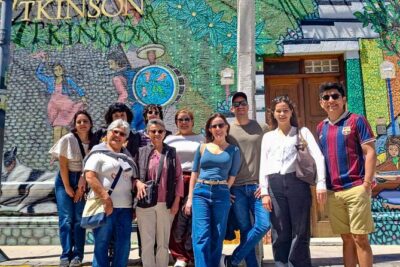
I especially like the small group of no more than eight people, which gives you room to ask questions and pause for pictures. I also like that Diego speaks fluent English and Spanish, and that the route includes practical breaks for coffee, restrooms, banking, or money exchange when needed. The main consideration is simple: this is a three-hour walking tour, so comfortable shoes matter, and it may not suit children under 10.
In This Review
- Key points to know before you book
- Why architecture is a smart way to meet Santiago
- Starting at Plaza Baquedano and Av Providencia 43
- Barrio Lastarria and the university connection
- Cerro Santa Lucia from an architectural point of view
- Iglesia San Francisco and the weight of older Santiago
- Barrio Paris-Londres and the pleasure of smaller details
- Walking toward La Moneda and Chile’s civic center
- Diego Inzunza brings a professional eye
- Coffee, restrooms, and useful stops along the way
- Is $59 a fair price for three hours?
- Who should book this Santiago walk?
- Final verdict: book it for context, not just landmarks
- FAQ
- Where does the tour begin?
- Where does the tour end?
- How long does the experience last?
- What languages are available?
- How many people can join the group?
- Is the tour suitable for children?
- Is the tour wheelchair accessible?
- What should I bring?
Key points to know before you book
- A native Chilean architect leads the walk: Diego Inzunza explains why buildings look the way they do, not just when they were built.
- The route connects Baquedano to La Moneda: You begin at Plaza Baquedano and finish near Chile’s presidential palace.
- Six important areas appear on the route: Expect Barrio Lastarria, Universidad Catolica de Chile, Cerro Santa Lucia, Iglesia San Francisco, Barrio Paris-Londres, and other downtown sites.
- The group is limited to eight people: That makes conversation and photography stops easier than on a large city tour.
- English and Spanish are available: Diego lived in the United States for 10 years and speaks fluent English.
- The tour costs $59 per person: The price makes the most sense if you value an expert guide and an interactive walk rather than a quick sightseeing loop.
Why architecture is a smart way to meet Santiago
Santiago can be hard to read at street level. A church, university, civic building, or residential block may look attractive, severe, old, or modern, but the reason behind its design is easy to miss when you are moving from one attraction to the next.
This tour uses architecture as the organizing idea. Diego discusses styles, design choices, and the events that shaped the city. You are not expected to know architectural terms beforehand. Instead, you can ask why a building was designed in a certain way, what its style says about its time, or how political and social changes affected Santiago.
That approach gives the walk more substance than a simple list of dates. One of the strongest features is the connection between Santiago’s buildings and Chile’s periods of political and social change. You get a city lesson through facades, streets, institutions, and public spaces.
I also like the chance to ask questions during the walk. If you want to spend a little more time photographing a place or exploring a detail, the route allows for some flexibility. That is particularly useful for people who prefer a conversation to a fixed speech.
A few more Santiago trips worth weighing up
- Santiago: Cajon del Maipo/Embalse del Yeso Tour with Picnic
★ 4.3 · 3,789 reviews - Santiago: Vina Del Mar, Valparaiso, Casablanca & Reñaca Tour
★ 4.2 · 2,838 reviews - Small-Group Cajón del Maipo Full-Day Tour and Picnic
★ 4.5 · 2,277 reviews
Starting at Plaza Baquedano and Av Providencia 43
The meeting point is Plaza Baquedano, next to Teatro Universidad de Chile. The starting address is listed as Av. Providencia 43, so check your booking details carefully before setting out and allow enough time to find the exact point.
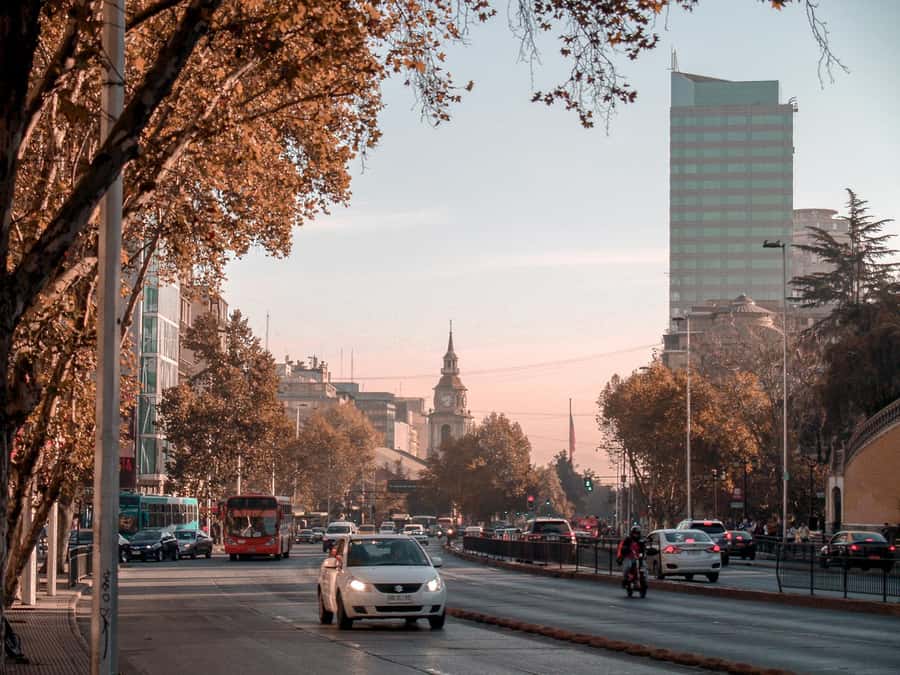
Beginning at Plaza Baquedano places you in one of Santiago’s key intersections. It is a fitting opening for a tour about how the city works, since major roads, neighborhoods, institutions, and public life meet here. Diego uses the starting area to establish the broader setting before leading you toward the historic center.
This is also a practical place to begin a first day in Santiago. The tour helps you understand the relationship between the eastern part of the city and the central districts you will visit later. I would schedule it early in your stay if you want the guide’s explanations to shape the rest of your sightseeing.
The first part of the walk also gives you a chance to settle into the pace. You will be on foot for three hours, but the route includes breaks when needed. Even so, wear shoes you can comfortably use for an extended city walk.
Barrio Lastarria and the university connection
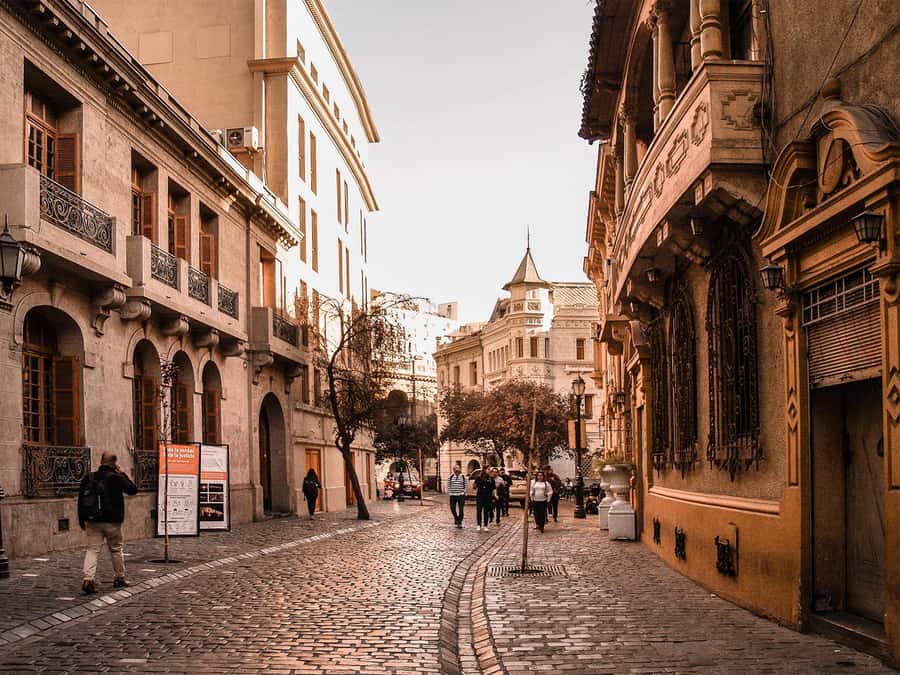
Barrio Lastarria is one of the first important areas on the route. Here, the tour shifts from a broad city introduction to a closer look at a well-known Santiago neighborhood and its architectural setting.
Diego’s focus is not limited to isolated buildings. He explains how places relate to one another and how the character of a district develops through design, institutions, and public life. That makes Barrio Lastarria more than a pleasant area to photograph. You begin to see how a neighborhood can express different stages of Santiago’s growth.
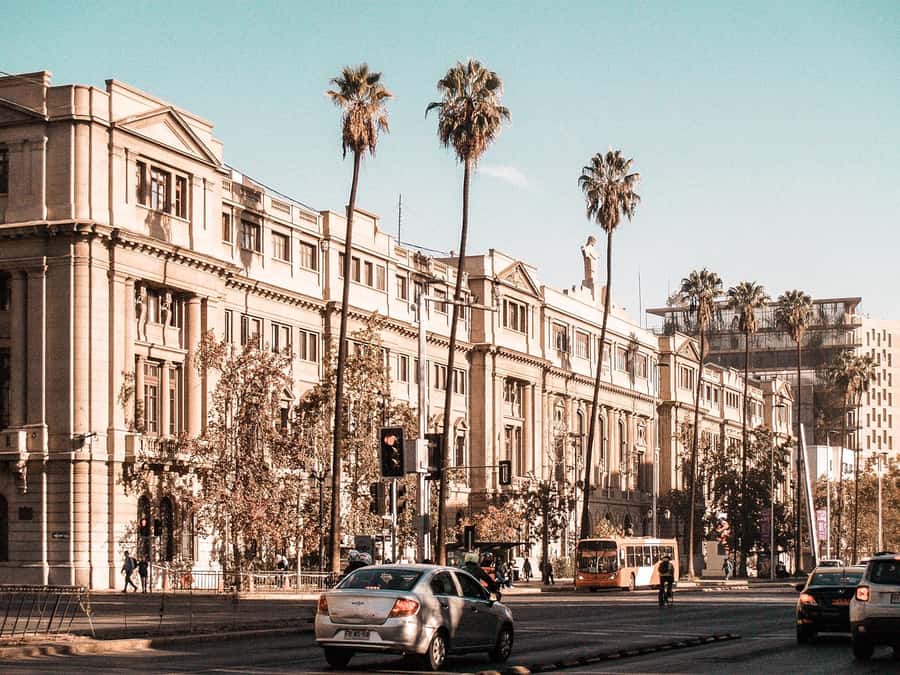
The route also includes Universidad Catolica de Chile. This stop adds an institutional layer to the walk. A university is not simply another building on the street. Its architecture, purpose, and place in the city can tell you something about education, civic life, and the ideas a society chooses to represent in public space.
You do not need an architecture degree to enjoy this section. Diego explains the ideas in accessible terms, and you can direct the conversation toward the details that interest you. If you like design, urban planning, politics, or social history, this is likely to be one of the more useful parts of the walk.
Cerro Santa Lucia from an architectural point of view
Cerro Santa Lucia is another major stop. The site gives the tour a change of scale, moving your attention from individual buildings to the way the city is organized around a prominent urban feature.
The value here is the architectural perspective. Instead of treating the hill as a quick photo stop, Diego places it within Santiago’s development and explains its relevance to the city. You can ask questions, take photographs, and spend extra time looking around if a particular view or detail catches your eye.
Because this is a walking tour rather than a bus outing, the pace allows you to notice transitions between districts. That is one of the better reasons to choose this experience. You are not only collecting landmarks. You are seeing how one area leads into another, with the guide providing the historical and design context as you go.
The exact amount of time at each stop can vary. The route is described as flexible enough for questions, photographs, and occasional extra exploration. If photography is your priority, tell Diego early so you can make good use of the stops without feeling rushed.
A completely different sort of day out of Santiago:
- Santiago: Cajon del Maipo & Embalse El Yeso Trip with Picnic
★ 4.5 · 1,859 reviews - Tourist bus around Santiago for a day
★ 4.5 · 1,857 reviews - Viña Del Mar-Valparaiso -Casablanca -Reñaca-Oceanic Rock-Concon
★ 4.5 · 1,564 reviews - Santiago: Valparaiso, Viña del Mar, & Casablanca Valley Tour
★ 4.8 · 1,491 reviews
Iglesia San Francisco and the weight of older Santiago
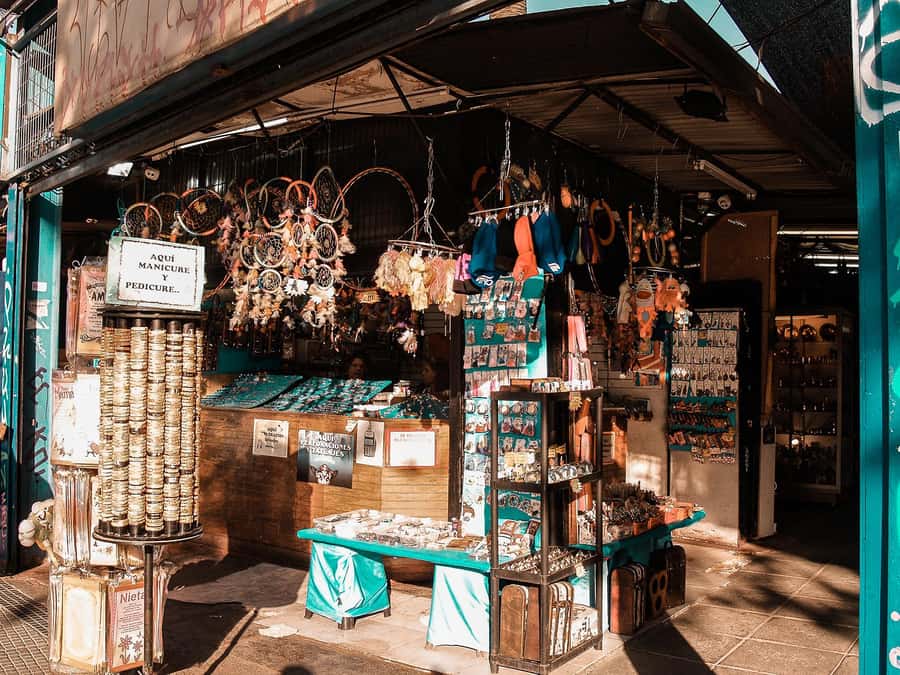
Iglesia San Francisco brings a different architectural mood to the route. Its inclusion helps show that Santiago is not understood through modern civic buildings alone. Religious architecture forms an important part of the city’s story, and a church can reveal changing ideas about design, faith, construction, and public life.
Diego’s role here is especially useful because he can explain the building’s style and place it within the wider development of Santiago. The point is not simply to admire the facade. You learn to consider why it was designed as it was and how historic buildings fit into a city that continues to change.
This stop should appeal to you even if churches are not high on your sightseeing list. The guide’s method connects architecture to events and social shifts, giving the building a wider meaning. It also provides a contrast with the university and neighborhood stops earlier in the route.
As with the other locations, you can ask about details that seem curious. The tour does not require special equipment, and you are not expected to arrive with background reading. Bring a camera if you like, but your main tool is attention.
Barrio Paris-Londres and the pleasure of smaller details
Barrio Paris-Londres is one of the places that can be easy to overlook if you only follow Santiago’s biggest attractions. Its inclusion is a sign that this tour is designed around architectural interest rather than a checklist of the most famous sights.
The neighborhood gives Diego room to talk about design at a more intimate scale. Instead of only discussing major civic landmarks, he can point out how streets and buildings create a distinct sense of place. You will want to slow down here and look at the relationship between individual structures and the surrounding streets.
This is also where a small group helps. With no more than eight participants, you can stop for a photograph or ask a question without competing with a large crowd. The route may suit you particularly well if you like finding details that you would otherwise pass without understanding.
Do not expect every minute to be a formal presentation. The experience is described as a guided conversation, and that is a strength for curious people. You can ask about architecture, history, politics, or other features that catch your attention along the way.
Walking toward La Moneda and Chile’s civic center
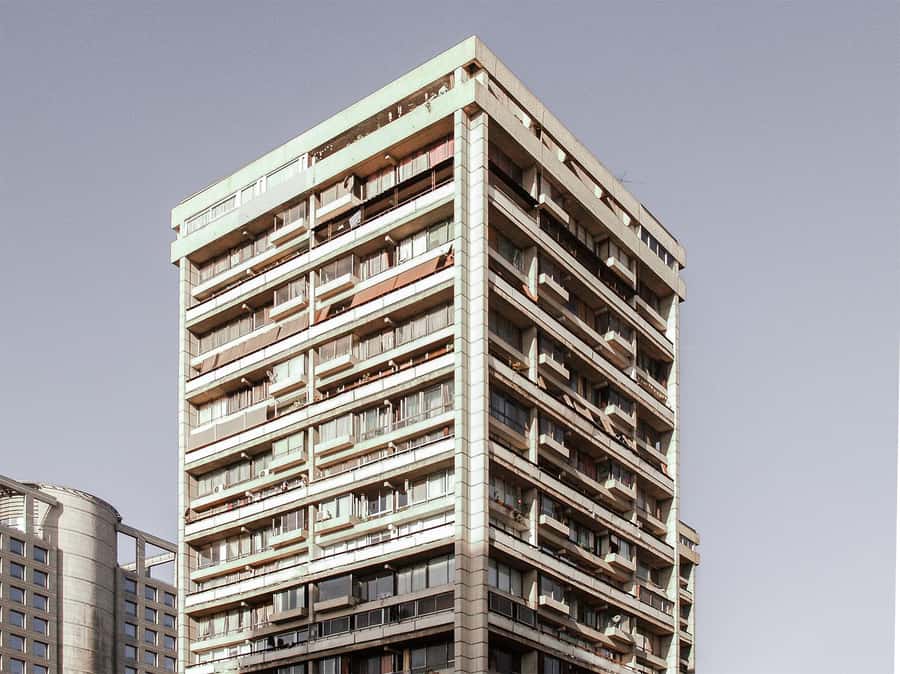
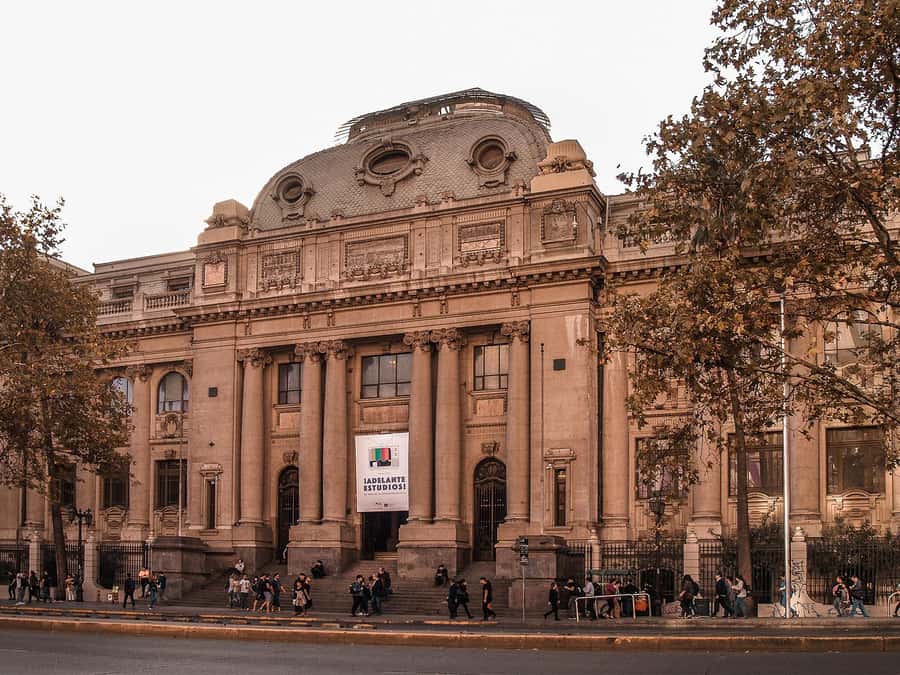
The tour ends at La Moneda, Chile’s presidential palace, in the country’s civic center. This gives the route a clear finish and brings the architectural conversation into a major national setting.
The ending matters because the walk has moved through neighborhoods, religious architecture, educational institutions, and urban landmarks before arriving at the center of government. Diego explains how architecture and design relate to the political and social changes that have shaped Chile. By the final stop, those ideas have a physical setting.
La Moneda is also a practical place to finish a day of sightseeing. The tour does not include a ride back to your accommodation, but public and private transportation are available just steps away. If you have another appointment, allow a little extra time after the official end so you can orient yourself and choose your next ride.
I like the route’s point-to-point design. You do not finish where you started and repeat the same ground. Instead, you end in a central area with easy onward transport and a clearer sense of how Santiago’s districts connect.
Diego Inzunza brings a professional eye
The guide is the main reason to choose this experience. Diego graduated in architecture in 2016 and has worked as both an architect and a guide for more than six years. He created the route over a period of more than five years, refining its stops and practical breaks.
His professional background changes the type of information you receive. A standard city guide might tell you what a building is and when it dates from. Diego can also explain architectural styles, the reasons behind design decisions, and how a building fits into the city’s wider development.
His fluent English is another advantage for English-speaking visitors. He lived in the United States for 10 years, so he can discuss complicated ideas without forcing the conversation into short, basic explanations. Spanish-speaking participants can take the tour in Spanish.
The strongest praise for the experience centers on Diego’s passion, clarity, and ability to keep the three hours engaging. One particularly useful point is his accommodating approach. If you want to ask questions or pause for photographs, the format supports that instead of treating the group like a moving timetable.
Coffee, restrooms, and useful stops along the way
The route includes a coffee break and restroom breaks when needed. Additional stops for necessities such as a bank or money exchange may also be included. These details may sound minor, but they matter on a three-hour walk.
A coffee stop gives you a chance to rest and continue the conversation in a more relaxed way. It also makes the experience less demanding than a continuous march between landmarks. If you need a practical stop, tell Diego rather than trying to wait until the end.
Souvenir purchases are possible at several points during the route. That can be convenient if you want a small reminder of Santiago, but keep your shopping modest if you do not want to carry items for the rest of the walk.
The tour asks you to bring comfortable shoes. Jewelry is not allowed, so plan accordingly. Those rules are easy to follow, but they are worth noting before you arrive.
Is $59 a fair price for three hours?
At $59 per person, this is not the cheapest way to walk around downtown Santiago. The value depends on what you want from a city tour.
If you only need directions to the main sights, you can explore the center on your own for less. But this tour offers a native Chilean architect, a small group capped at eight, three hours of direct conversation, and a route built around architectural and political context. For someone interested in buildings, history, design, or urban change, that combination makes the price reasonable.
The ability to ask questions also improves the value. You are paying for interpretation, not just movement from one stop to another. The route includes places you might otherwise see without understanding, including Barrio Paris-Londres and the connections between the various districts.
The flexible breaks add practical value as well. A coffee, restroom, bank, or money exchange stop can make the walk easier to manage. I would consider the price worthwhile for a first or second day in Santiago, especially if you plan to use what you learn during the rest of your visit.
Who should book this Santiago walk?
I would choose this tour if you enjoy architecture, city planning, politics, history, photography, or learning how ordinary streets reflect major events. It also suits you if you prefer a small, conversational group to a large sightseeing party.
English speakers should feel comfortable asking detailed questions, while Spanish speakers can take the tour in Spanish. The limited group size is useful for solo visitors, couples, and small groups who want direct contact with the guide.
The tour is less suitable if you dislike walking or want a quick overview in under an hour. It is also not intended for children under 10. The route is wheelchair accessible, but because it is a walking experience, you should confirm any specific mobility needs when booking.
Free cancellation is available up to 24 hours before the tour for a full refund, and you can reserve now and pay later. Those policies help if your Santiago plans are still shifting.
Final verdict: book it for context, not just landmarks
Book this tour if you want Santiago to make more sense. Diego Inzunza’s architectural training, fluent English, Chilean background, and enthusiasm give the walk a clear purpose: to show how buildings and neighborhoods reflect the country’s changing story.
I would not choose it for a child-focused outing or a fast introduction with little walking. But if you want a thoughtful route from Plaza Baquedano through Lastarria, Cerro Santa Lucia, Iglesia San Francisco, Paris-Londres, and onward to La Moneda, this is a strong choice. Bring comfortable shoes, leave room for questions, and look up from your map. The city has more to say than its postcard views.
FAQ
Where does the tour begin?
The meeting point is Plaza Baquedano, next to Teatro Universidad de Chile. The listed starting address is Av. Providencia 43.
Where does the tour end?
The tour ends at La Moneda, Chile’s presidential palace, in the country’s civic center.
How long does the experience last?
The guided walking tour lasts three hours.
What languages are available?
The tour is offered in English and Spanish. Diego speaks fluent English and can discuss the subject in detail.
How many people can join the group?
The group is limited to eight participants.
Is the tour suitable for children?
The experience is not suitable for children under 10 years old.
Is the tour wheelchair accessible?
Yes, the activity is listed as wheelchair accessible.
What should I bring?
Bring comfortable shoes. Jewelry is not allowed.
Just added around Santiago
- Portillo & Laguna del Inca with Lunch at the Hotel Portillo★ 5.0 · 3 reviews
- ISLA NEGRA AND ALGARROBO WITH VINICOLA UNDURRAGA – TOUR : CHILE★ 3.3 · 3 reviews
- Santiago: Guided City Tour through the historic center of Santiago★ 4.1 · 3 reviews
- Santiago de Chile: Half-Day City Tour with Local Cuisine★ 4.5 · 3 reviews
- From Santiago: Isla Negra, Pablo Neruda Museum & Winery Tour★ 5.0 · 3 reviews
- Valparaíso Tour with Funicular Ride and small groups★ 5.0 · 3 reviews
- Santiago: Private Half-Day City Tour★ 4.2 · 3 reviews
- Santiago: Sunset at Vinicola Alyan Family★ 5.0 · 4 reviews
Santiago Tours, compared.

Cajon del Maipo/Embalse del Yeso Tour with Picnic
Read our review →
Vina Del Mar, Valparaiso, Casablanca & Reñaca Tour
Read our review →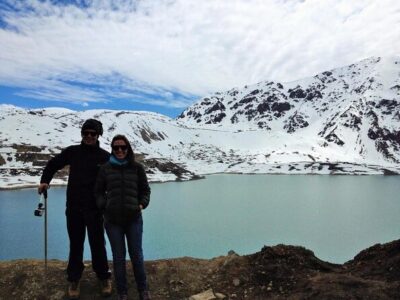
Small-Group Cajón del Maipo Full-Day Tour and Picnic
Read our review →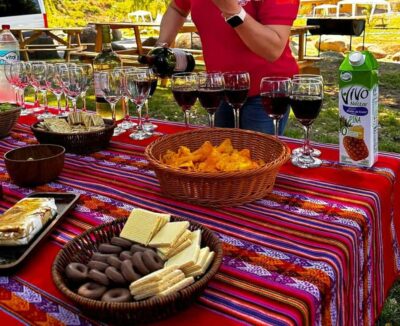
Cajon del Maipo & Embalse El Yeso Trip with Picnic
Read our review →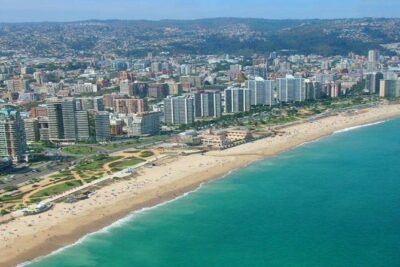
Valparaiso -Casablanca -Reñaca-Oceanic Rock-Concon
Read our review →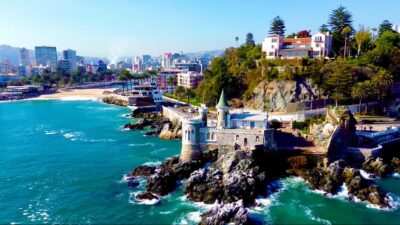
Valparaiso, Viña del Mar, & Casablanca Valley Tour
Read our review →
Viña del Mar, Valparaiso & Casablanca Valley Tour
Read our review →Browse the lists this tour appears in